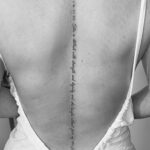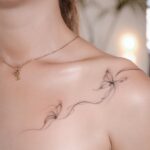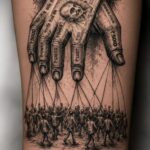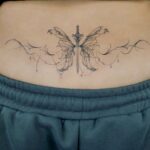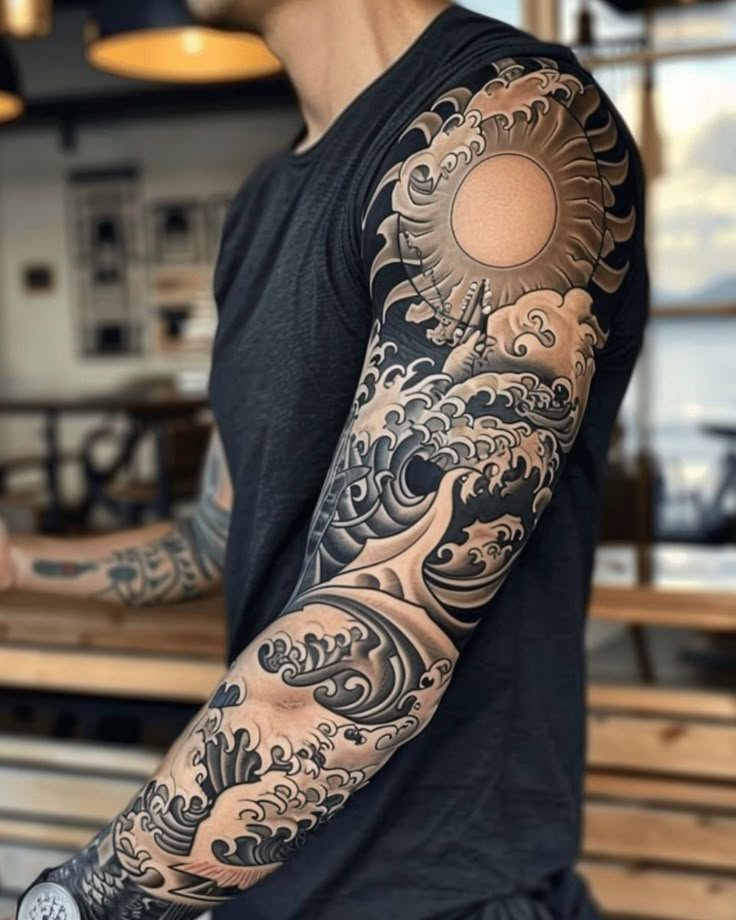
The designs here range from single animals and geometric shapes that take under an hour to full sleeves that need multiple sessions spread across months.
1. Eagle Tattoo
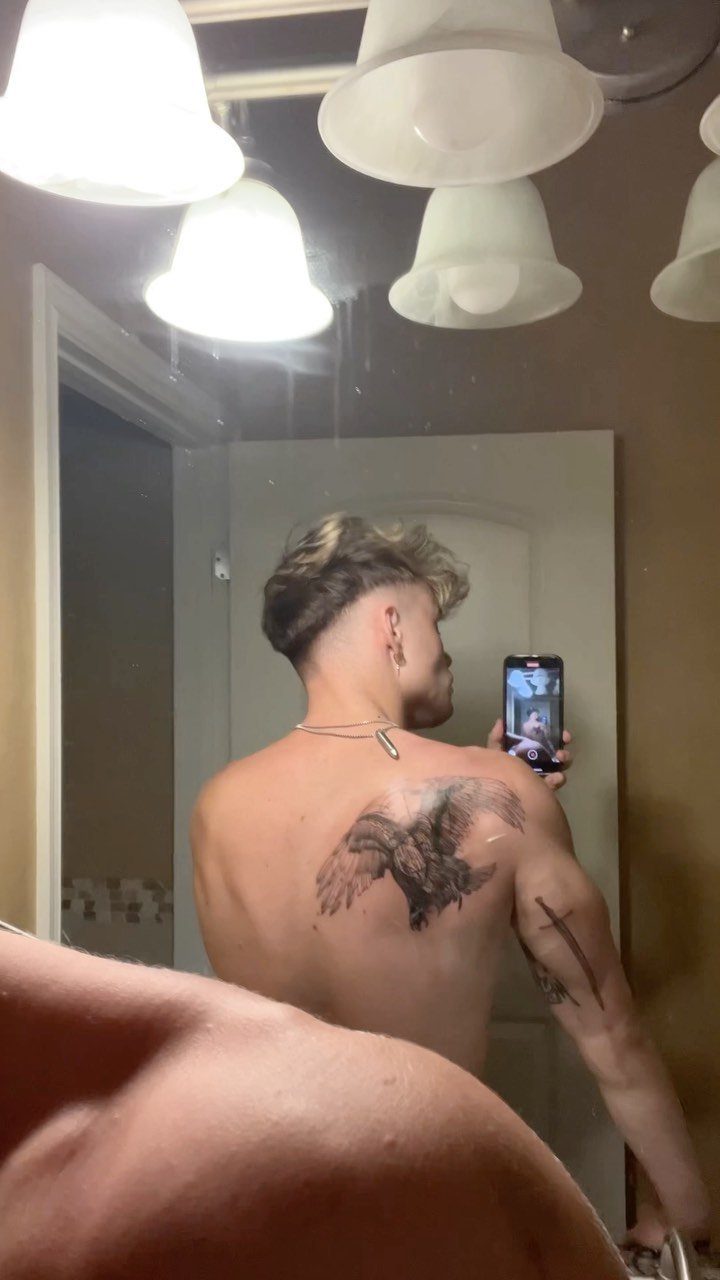
An eagle reads from across the room. The wingspan stretches naturally across the upper back or chest, and the detail in the feathers holds up over time more reliably than fine-line work.
Black and grey keeps the focus on form.
Color brings out the head and talons when contrast matters. Placement matters: a full back piece leaves room for open wings, while a forearm or shoulder works with a profile or landing pose.
2. Wolf Tattoo
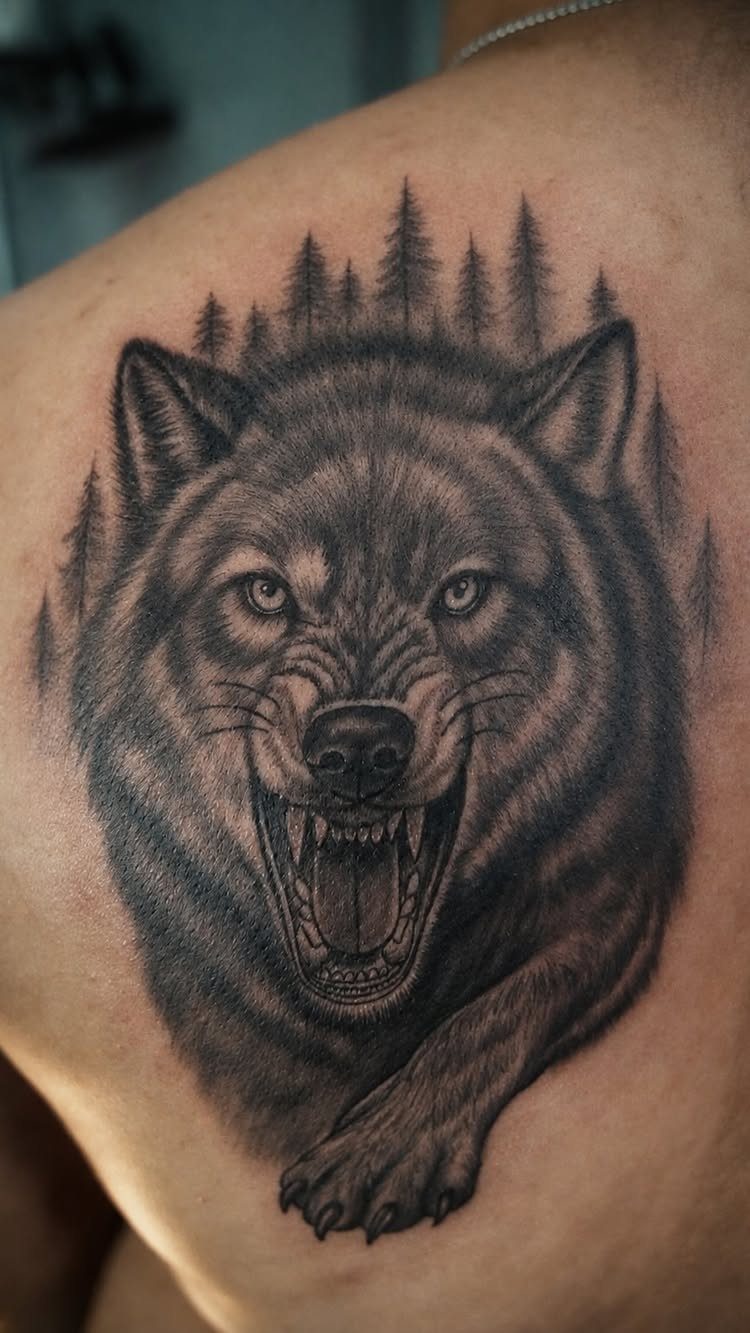
A snarling wolf signals loyalty and protection without needing an explanation. The best versions show teeth and intensity in the face, and adding a forest or mountain backdrop fills the negative space around the animal.
Black and grey shading gives you depth in the fur and keeps the design readable as it ages.
Shoulder placement lets the wolf face forward or turn into a half-sleeve. A forearm works too, but you lose some of that landscape room.
Pain is moderate, easier than ribs or spine.
3. Geometric Tattoo
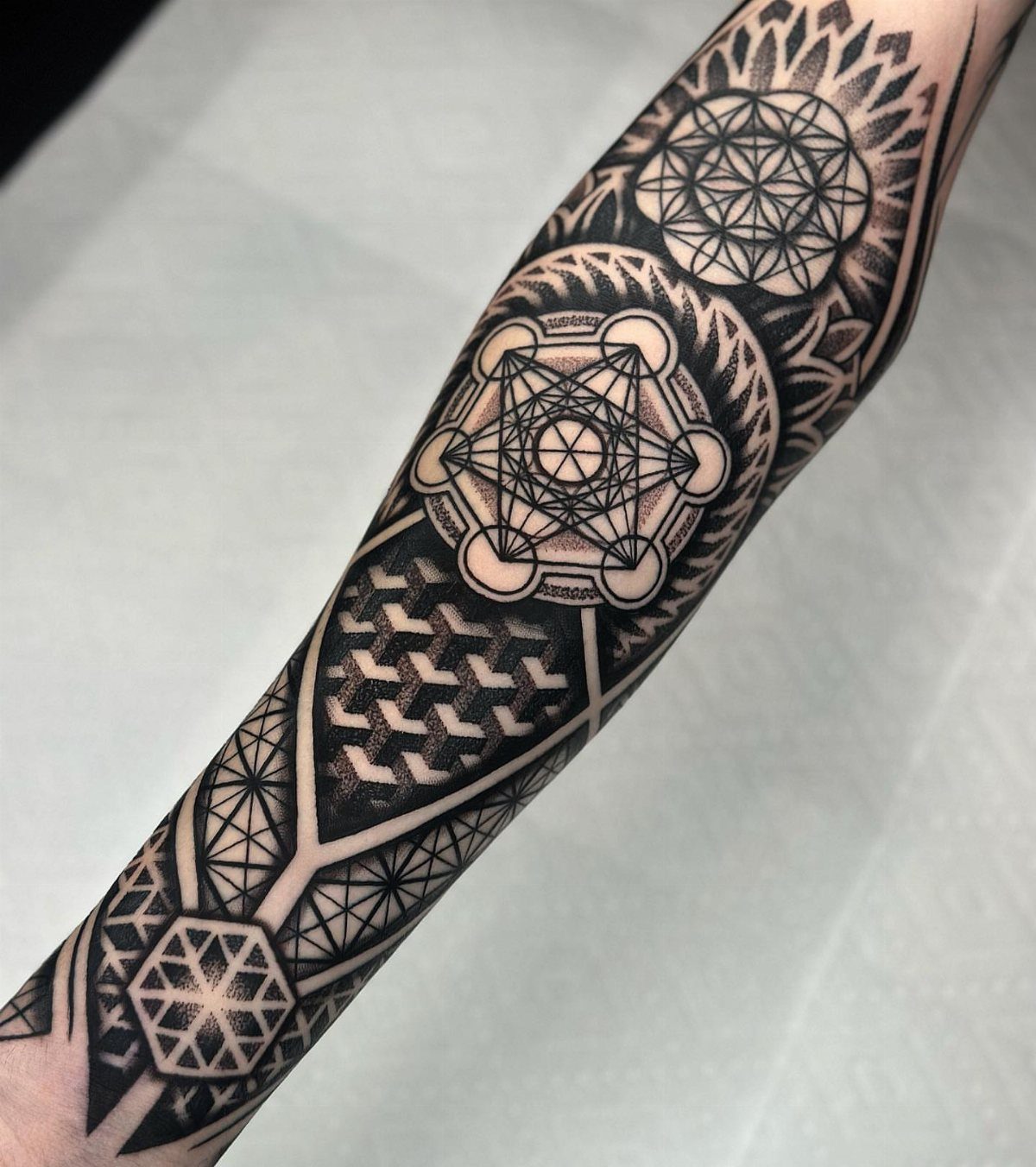
Geometric designs use straight lines, perfect angles and repeating shapes to build something that looks engineered. They hold up better than fine-line florals because thick black lines stay crisp after years of sun and skin changes.
Forearm placement shows the symmetry and lets people actually see the detail. Chest and upper arm work too, but curved surfaces can distort the angles if your artist doesn’t map them carefully.
Budget for precision: a good geometric piece takes longer to draw and tattoo than organic designs. Find an artist who uses stencils and rulers, not freehand.
4. Lion Tattoo
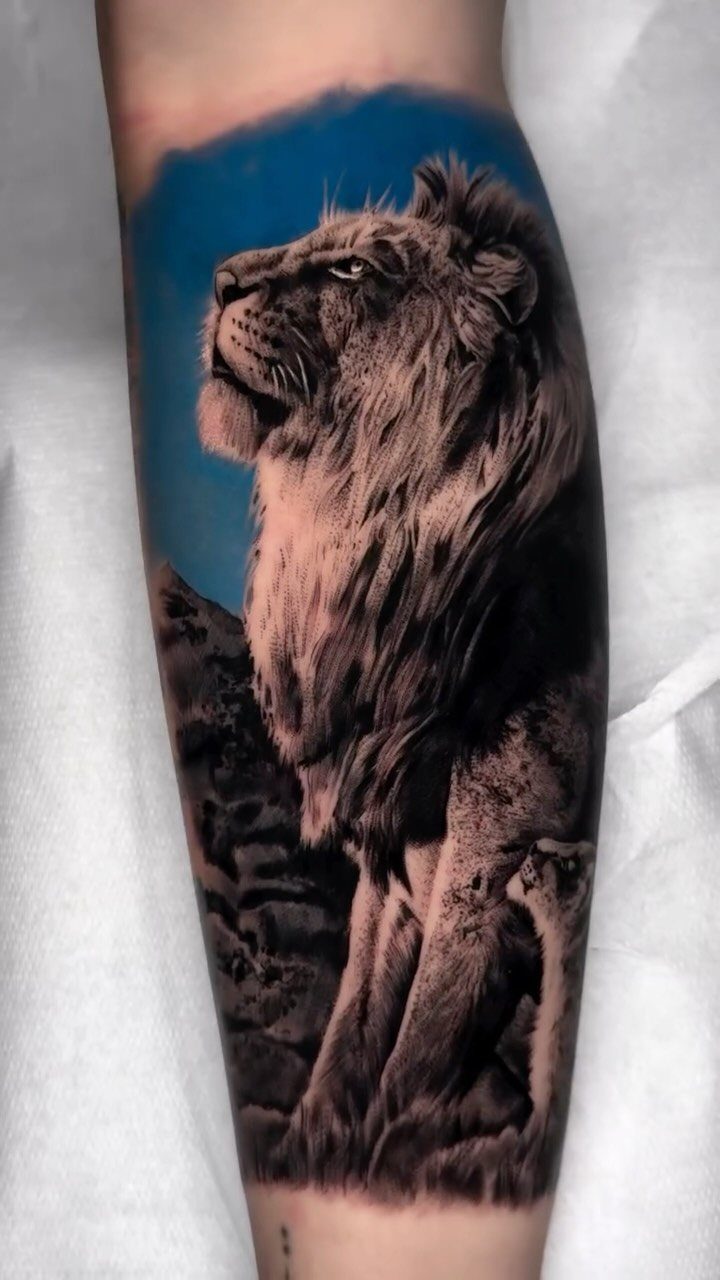
A lion gives you a design that carries weight. The mane offers natural volume and the face reads clearly even at a distance, which matters if you want something people notice.
Forearm placement works because the shape fits the muscle. Realism demands detail in the eyes and fur texture, so find an artist whose portfolio shows animal work, not just script and tribal.
Forearm pain is manageable.
5. Phoenix Tattoo
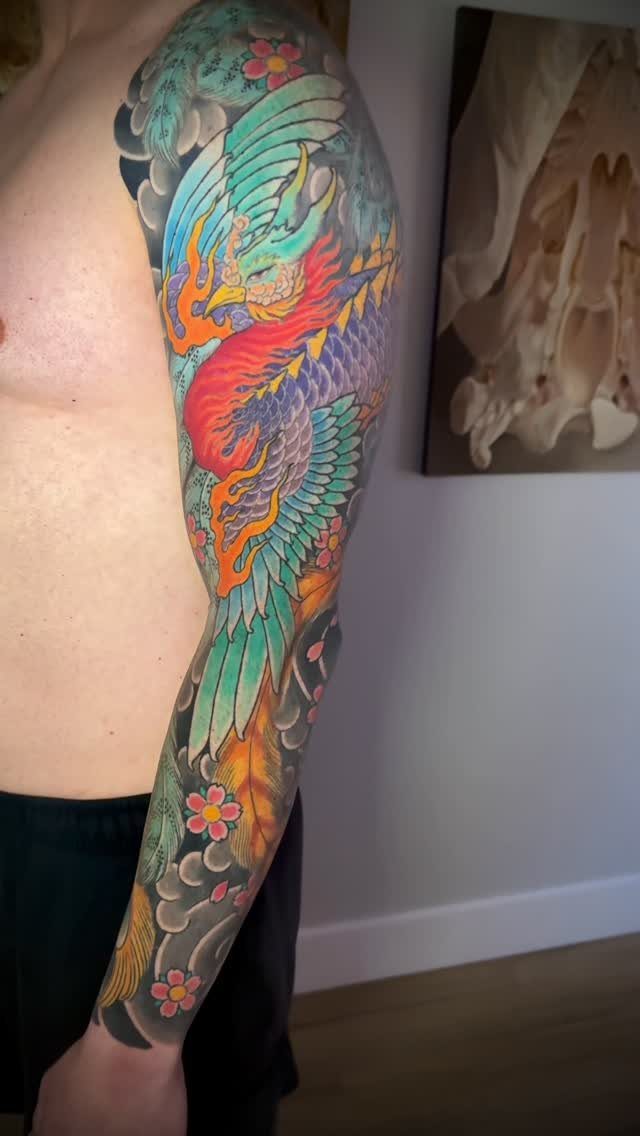
A phoenix in full color delivers the rebirth story better than black and grey ever will.
The wings curve naturally around the arm in a sleeve, and the feathers give your artist room to layer reds, oranges, golds and purples without it looking chaotic.
Sleeve placement is the move here.
The tail can wrap toward the wrist and the head toward the shoulder, so the whole design flows with your arm. Adding clouds or flowers fills space and softens the edges.
Healing takes longer with color, so follow aftercare precisely.
6. Dragon Tattoo
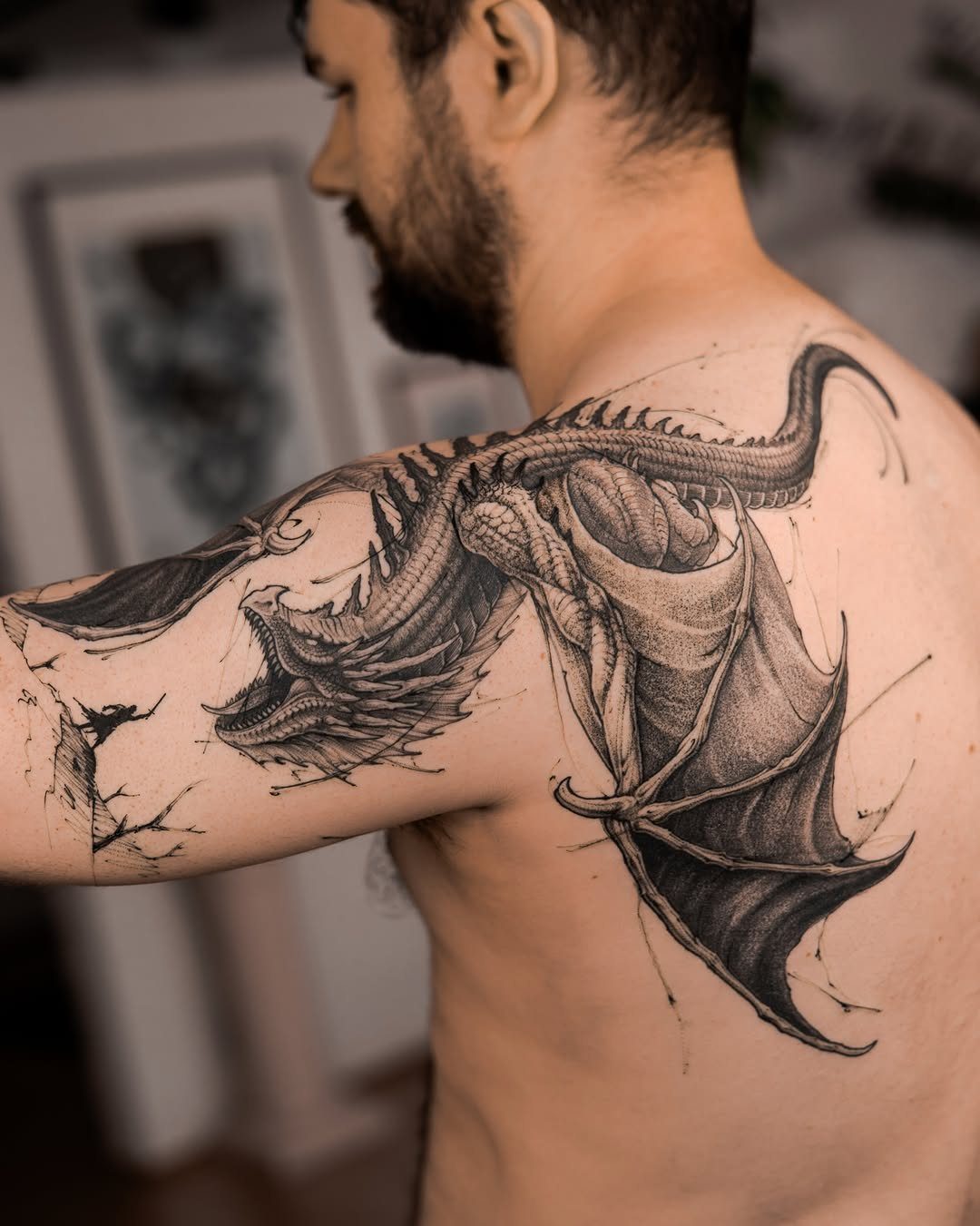
A dragon scales across the shoulder and upper back more naturally than most other designs. The body curves with your muscle, the head sits on the shoulder cap, and the tail can trail down the arm or across the chest.
Japanese-style dragons look different from Chinese or Western versions, so choose the tradition that matches what you want the piece to say. Japanese dragons are serpentine and often paired with water or clouds; Western dragons are bulkier and winged.
7. Skull and Roses Tattoo
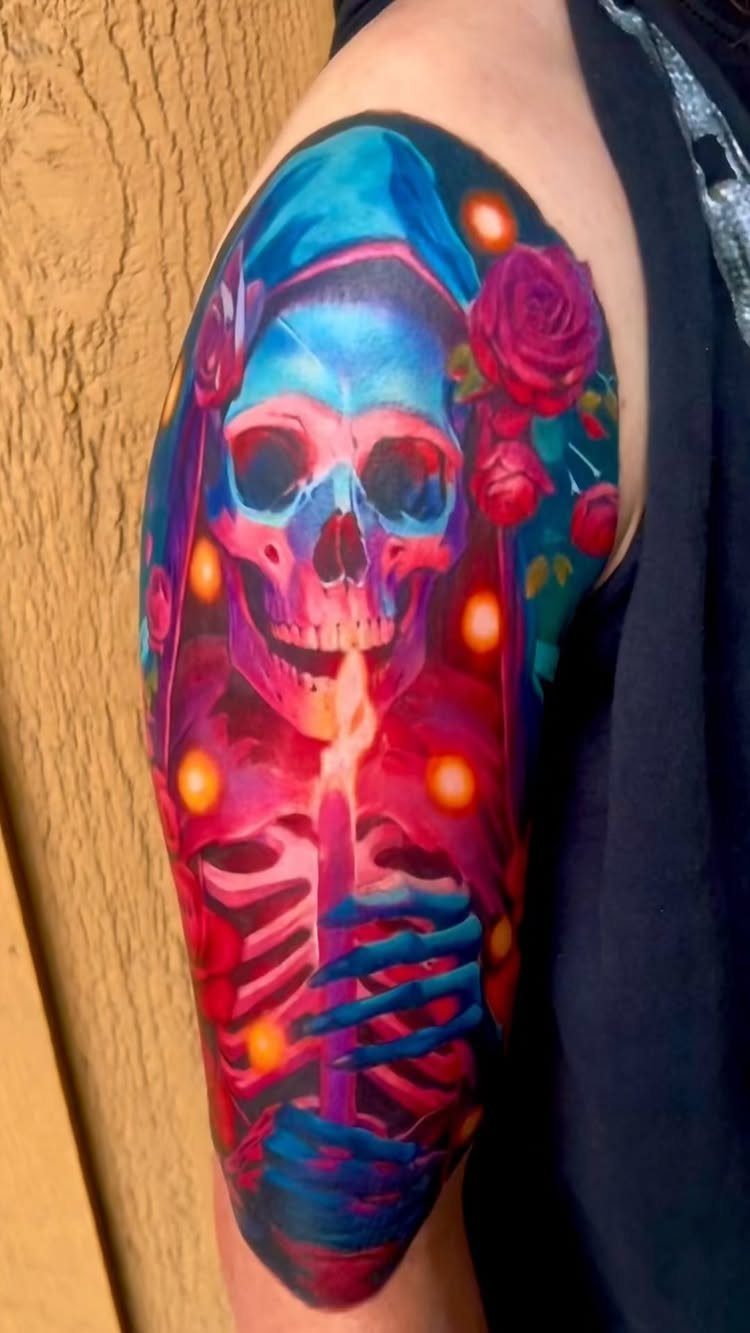
A skull paired with roses balances death and beauty in one piece. The contrast works because neither image softens the other: the skull stays hard-edged, the roses stay delicate, and the two sit together without compromise.
Color matters here. Black and grey flattens the tension; adding red or pink to the roses and leaving the skull in grey gives you the split the design needs.
Upper arm placement works because the rounded surface holds both elements without cramping either one.
8. Angel Tattoo
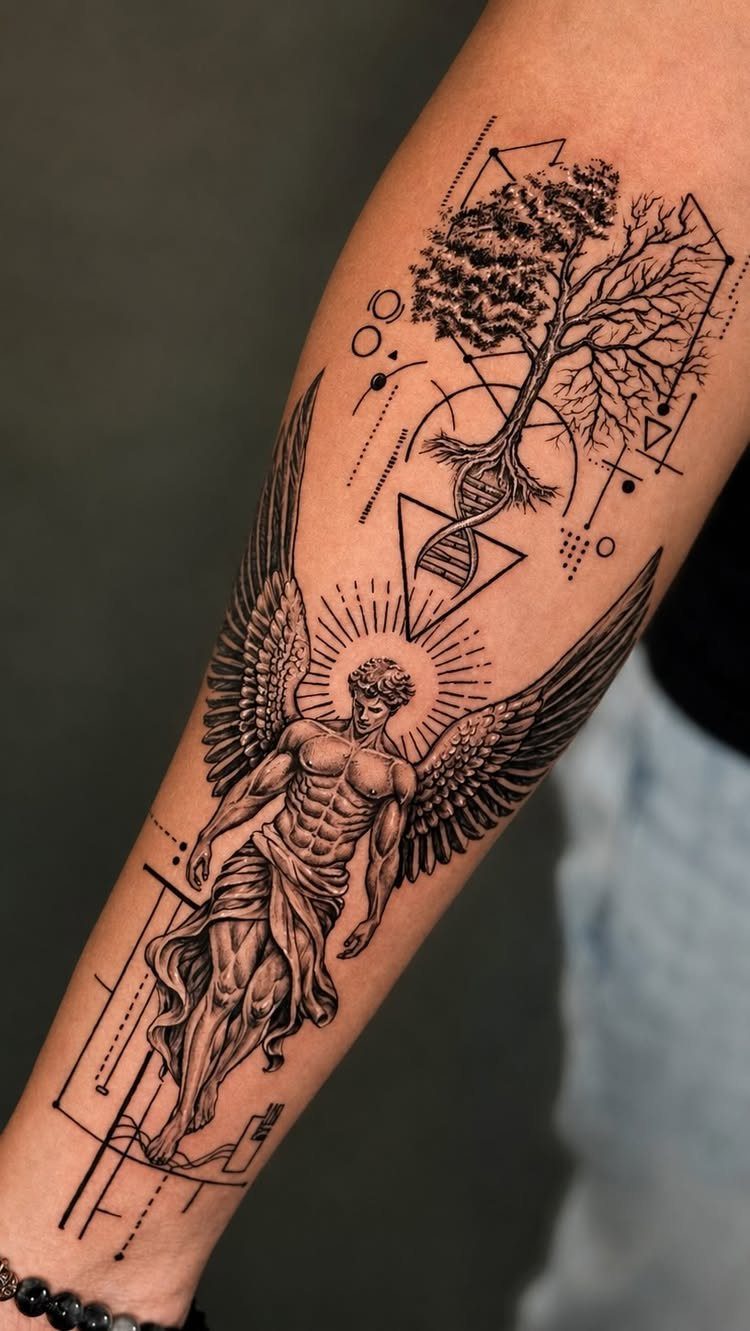
An angel figure anchors religious imagery without needing text. Wings spread naturally across the forearm, and adding rays or geometric borders above the head fills vertical space and frames the figure.
Forearm visibility means you see it daily, which matters if the design carries personal meaning.
Pair it with script on the inner arm or leave it alone. Both read clearly.
9. Owl Tattoo
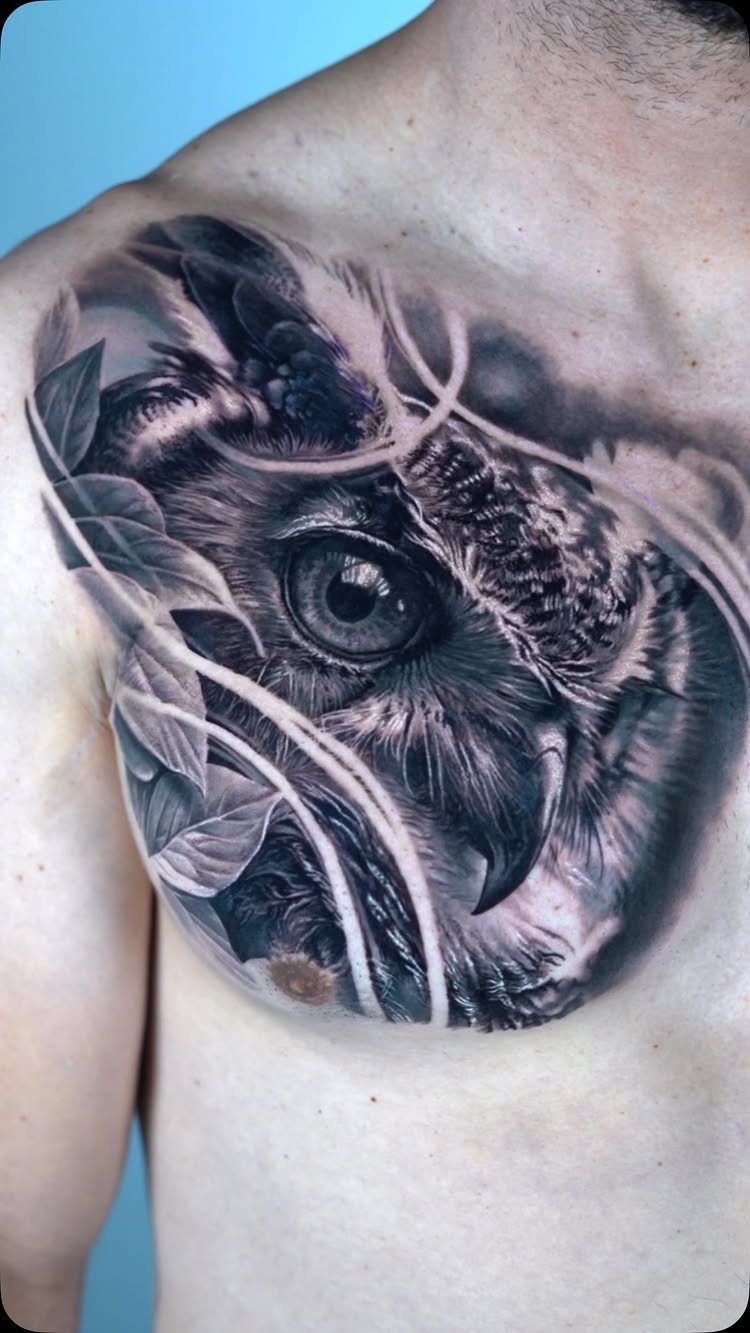
An owl gives you symmetry and detail that holds up over time. The face is frontal, the eyes are large, and the feather texture offers enough contrast to stay readable as the ink settles.
Chest and shoulder placement lets the wings span wide. Black and grey shading in the feathers adds depth without color that might fade unevenly.
Pain on the chest is sharp near the sternum, easier toward the shoulder.
10. Scorpion
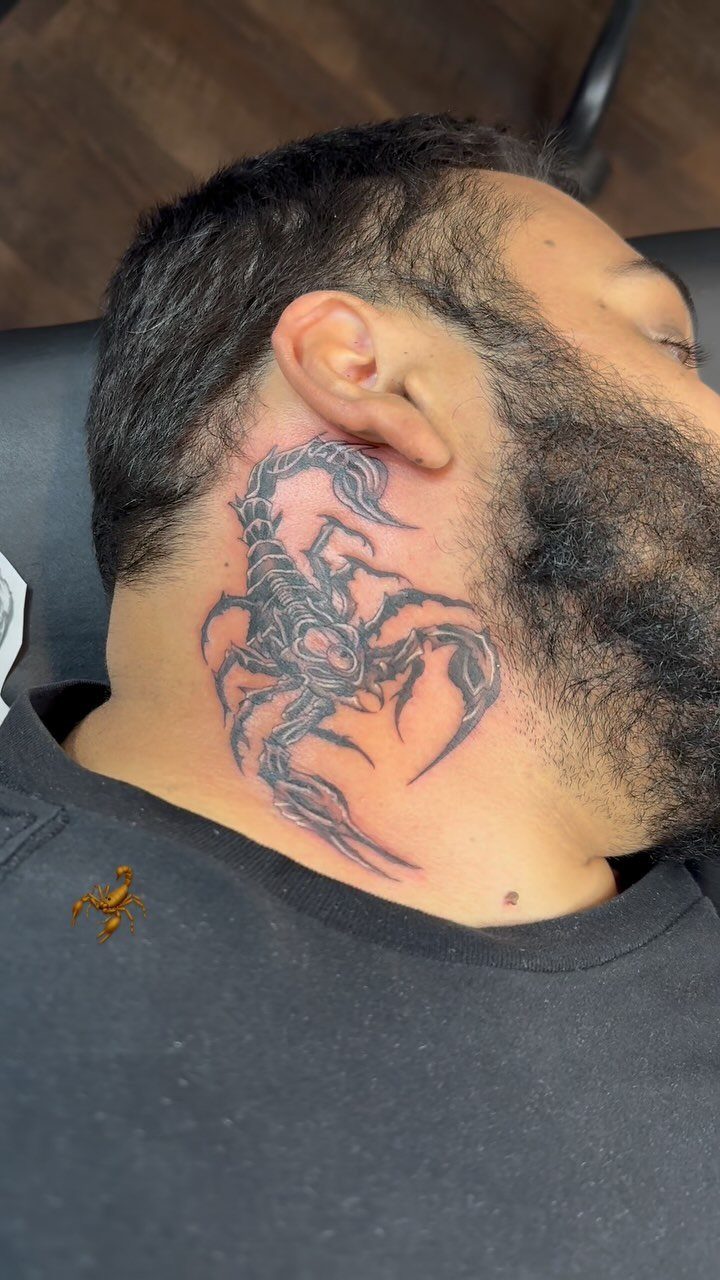
A scorpion reads as aggression or Scorpio zodiac pride, depending on who asks. The segmented body and curved tail fit narrow vertical spaces better than most animal designs.
Neck placement is bold and visible. The tail can arc around toward the jaw or down toward the collarbone.
Neck tattoos hurt more than forearm or shoulder work, and healing takes careful attention because the skin moves constantly.
11. Forearm Tattoo
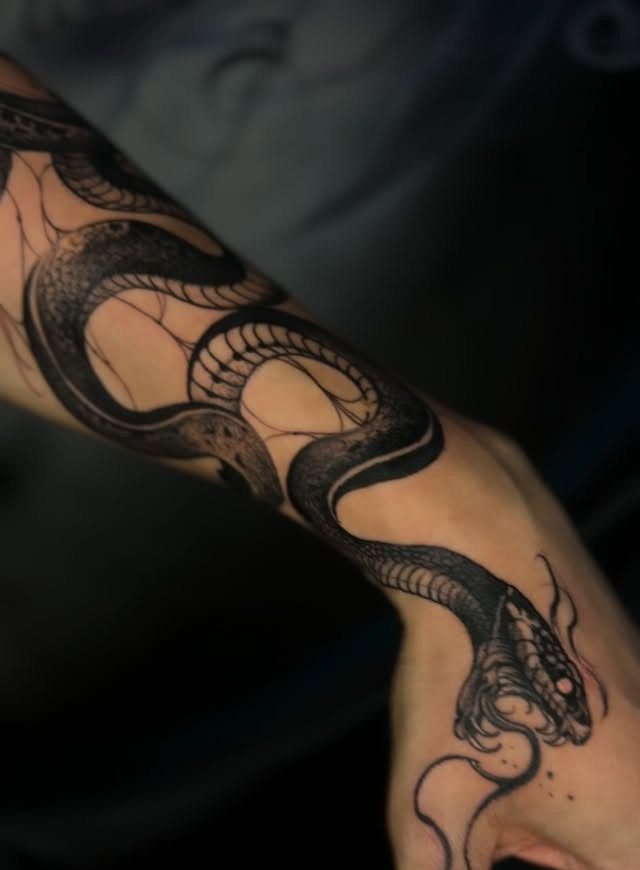
The forearm shows ink every time you reach for something. The surface is flat, the pain is manageable, and the shape fits designs that run vertically or wrap.
A snake works because it follows the muscle.
So does script, a dagger, a geometric band, or a portrait. Size flexibility is the advantage: a small piece sits on the outer forearm, a larger one wraps halfway or covers wrist to elbow.
Healing is straightforward. The skin is tough and you can keep it out of the sun easily.
12. Sleeve Tattoo
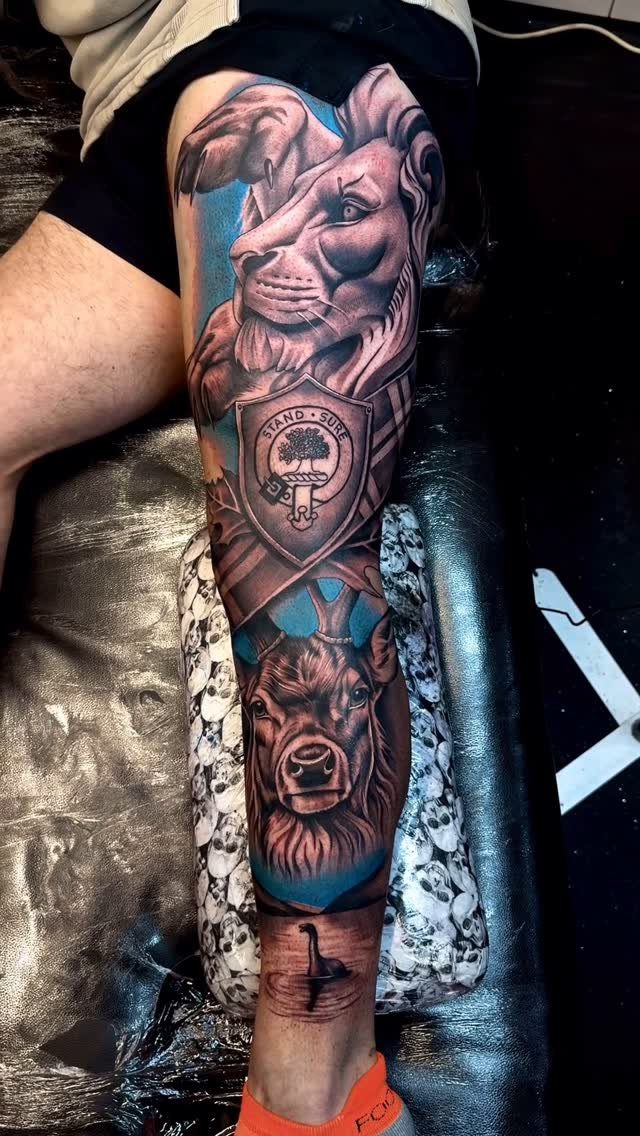
A sleeve commits to coverage. Full sleeves run shoulder to wrist, half sleeves stop at the elbow, and both demand a plan before the first session.
Leg sleeves work the same way arm sleeves do: multiple sessions, a theme that ties the images together, and filler to connect them. Animals, heraldry, florals or Japanese waves all carry enough visual weight to fill the space.
Budget for multiple sessions spread across months.
13. Tribal Tattoo
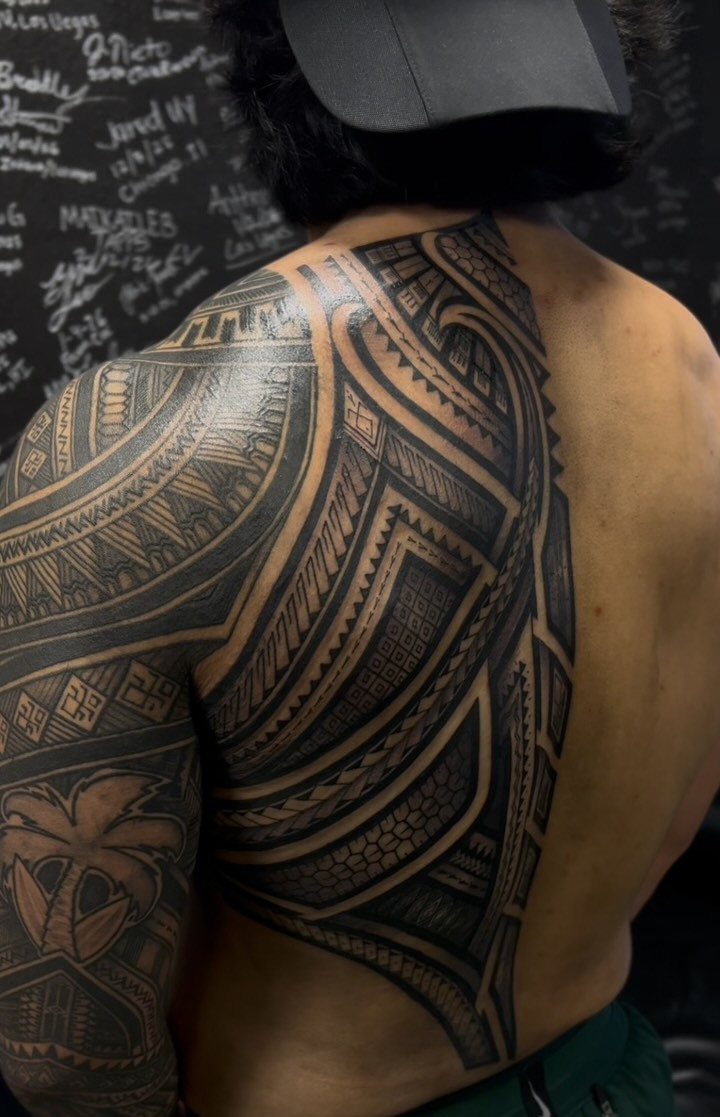
Tribal designs move across the shoulder and down the arm in bold black bands that follow your muscle structure. The thick lines stay crisp longer than fine detail, and the geometric patterns fill space without needing color or shading.
Polynesian, Maori and Native American styles all look different, so pick one tradition and stay inside it. Mixing them reads as confusion.
Shoulder and upper arm placement gives the design room to breathe. The curves work with your body instead of fighting it.
14. Arrow Tattoo
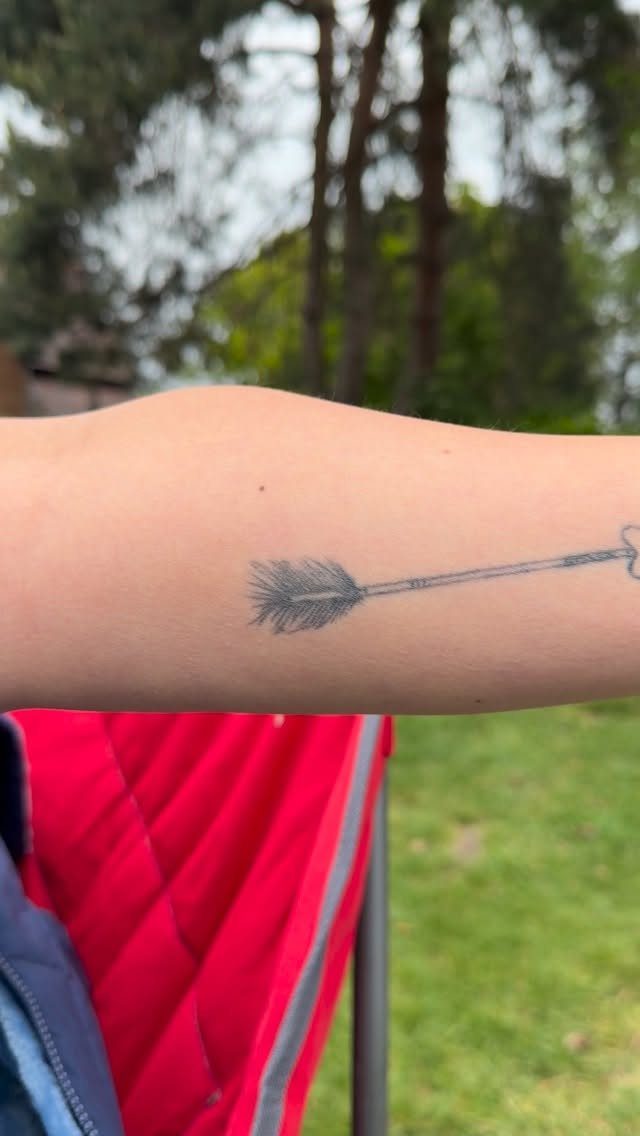
An arrow is clean, small and fits anywhere. The shaft runs straight down the forearm or sits horizontally across the inner arm, and the whole piece takes under an hour.
Single arrows point forward. Adding a second arrow crossed behind the first changes the meaning to friendship or conflict, depending on the angle.
Forearm placement keeps it visible without taking up prime real estate you might want for something larger later.
15. Clock Tattoo
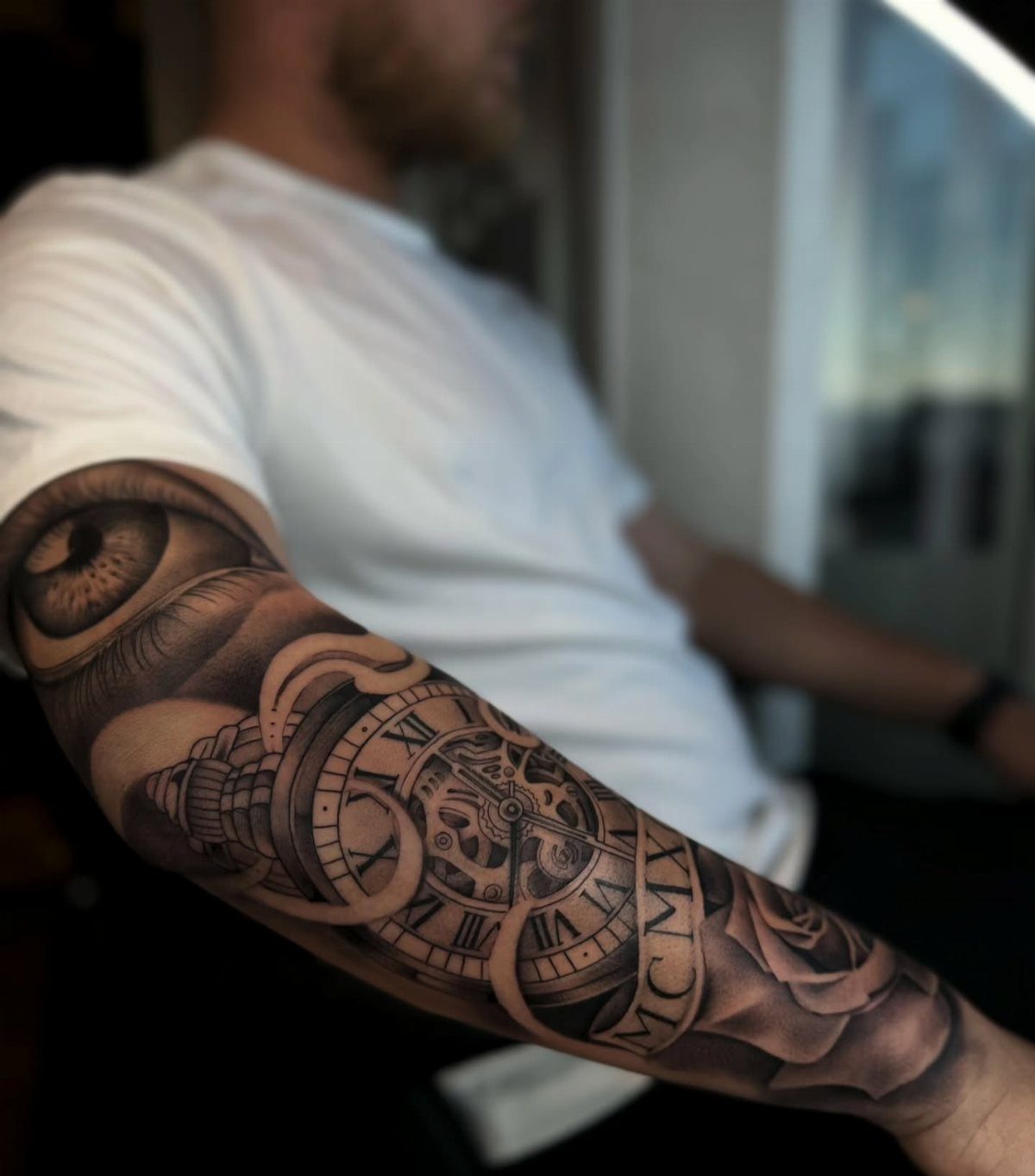
A clock face paired with Roman numerals marks a specific time without explaining it to strangers. Adding an eye or rose around it fills the forearm and turns the piece into something larger.
Setting the hands to a birth time, a loss, or a turning point makes it personal without needing text.
Forearm placement keeps it front and center.
16. Feather Tattoo
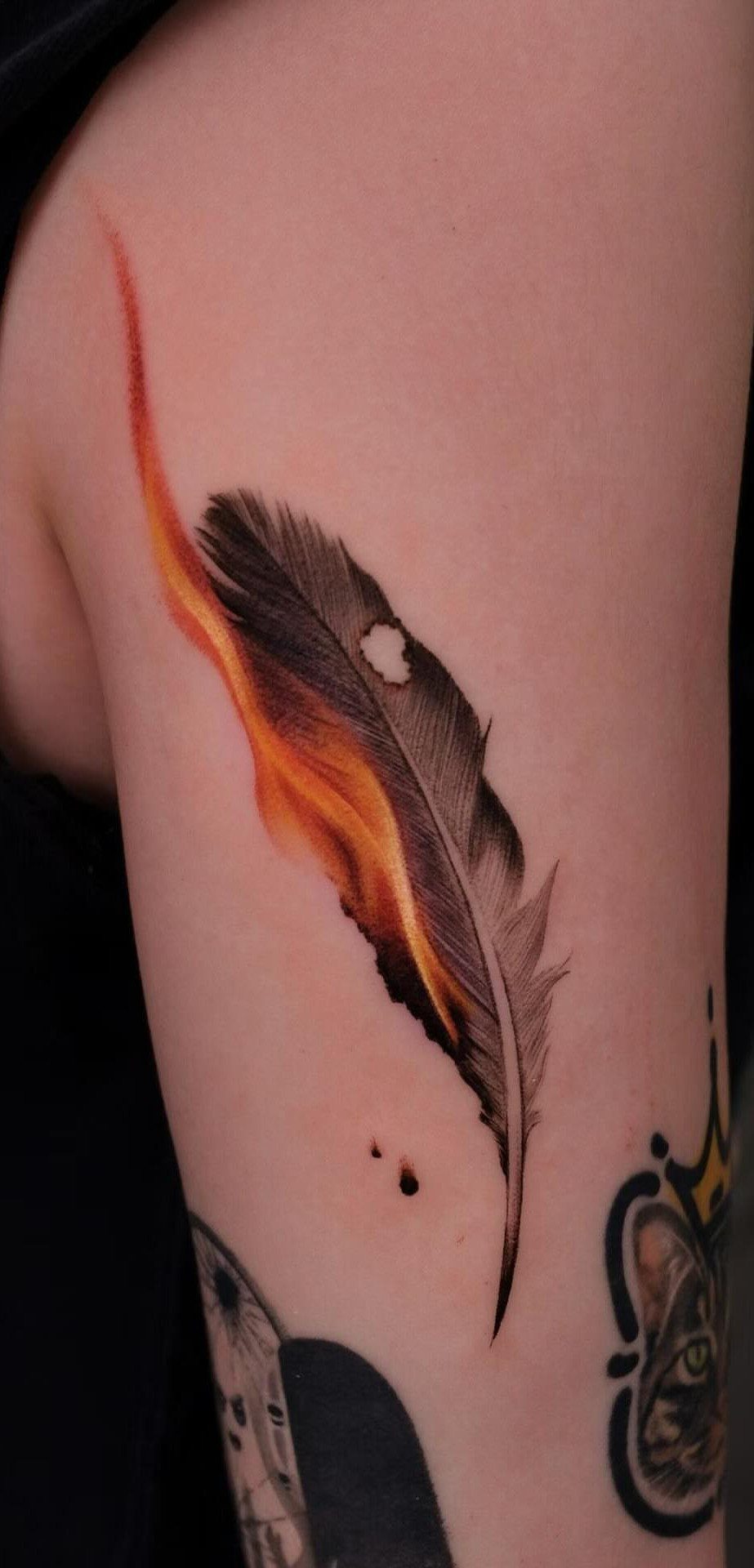
A feather transitioning into flame gives you two symbols in one piece. The soft barbs at the bottom shift into fire at the top, and the contrast works because both images share vertical movement.
A warm palette separates the phoenix story from a plain feather.
Upper arm placement fits the vertical shape and keeps the design readable from a distance.
17. Tiger Tattoo
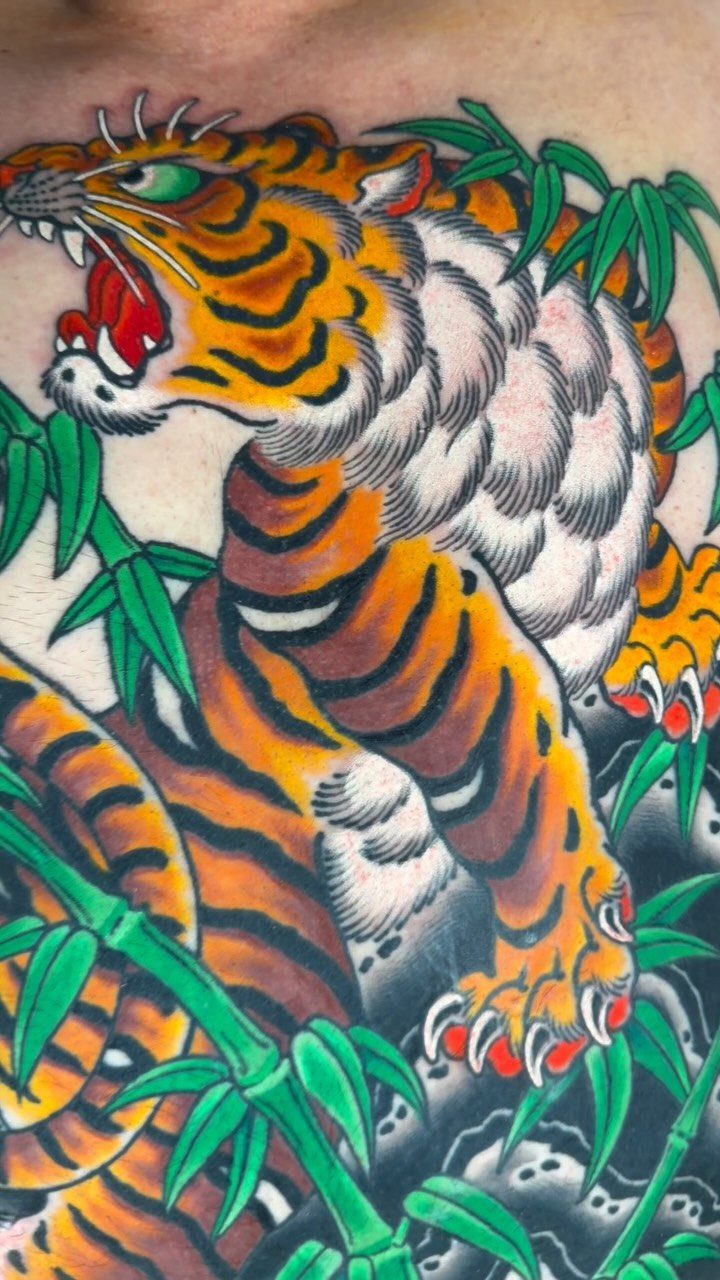
A roaring tiger in color demands attention. The orange and black stripes give your artist natural contrast to work with, and pairing it with bamboo or peonies fills the background without crowding the animal.
Tiger designs scale well to most placements once you commit to the hours.
18. Fox
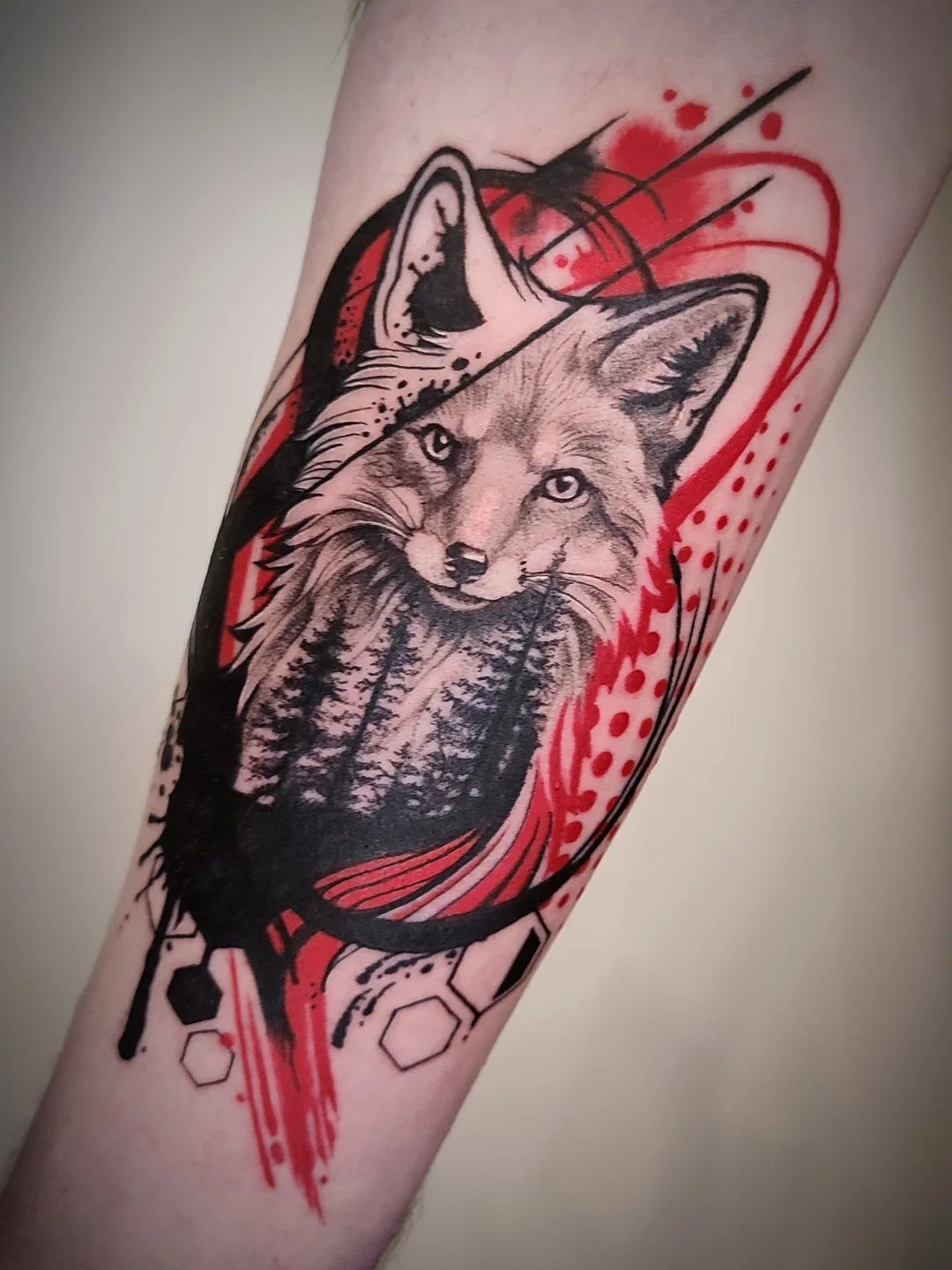
A fox head blended with forest silhouettes layers two images into one piece. The animal’s face sits at the center, and trees or abstract shapes fill the background and negative space around the ears.
Color pulls the design together. Red and orange tones in the fox contrast with black trees and keep the 2 layers distinct.
Forearm placement shows the detail and gives the design enough room to read clearly.
19. Script Tattoo
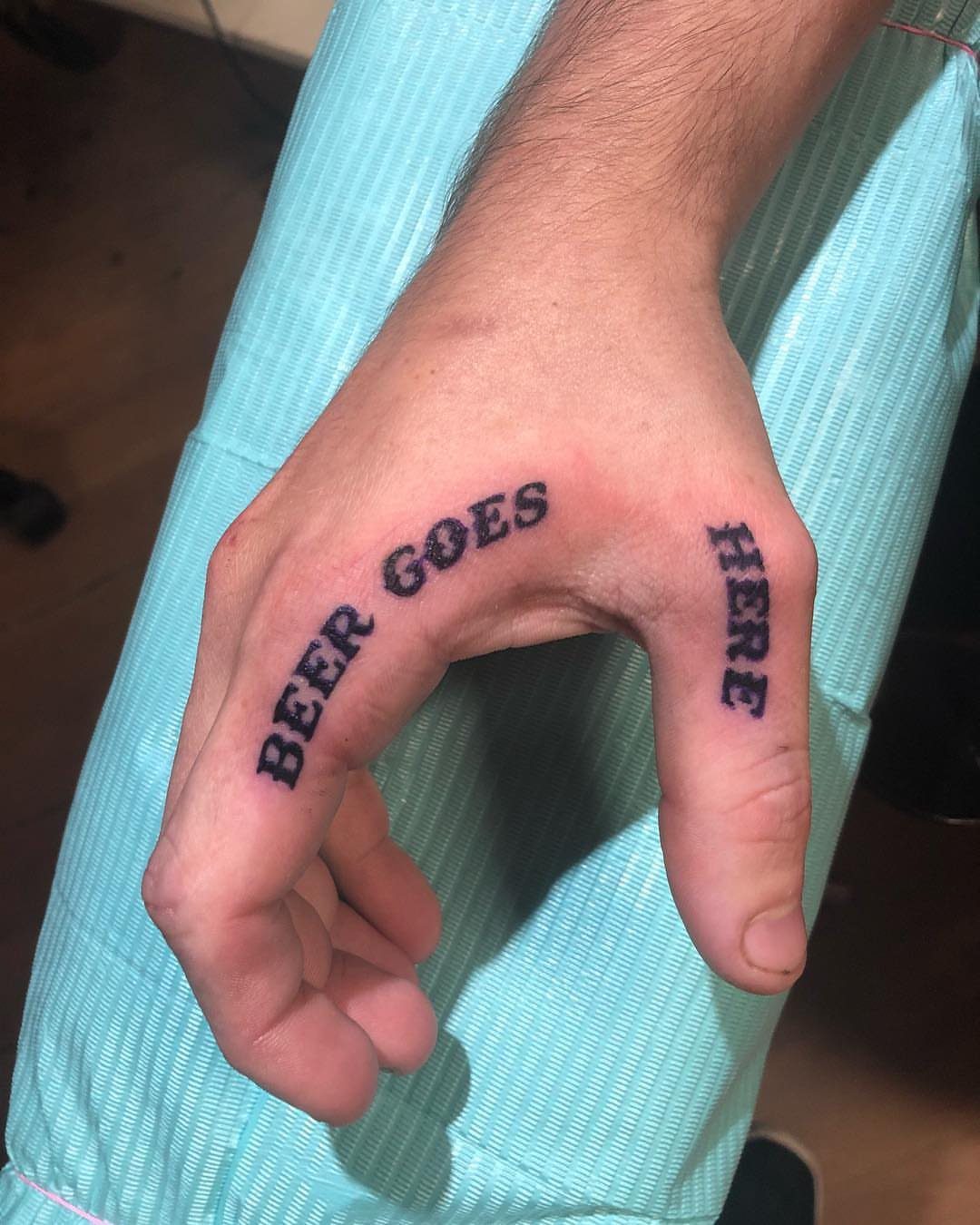
Script gives you a message in your own words. Single words work on the wrist or behind the ear, full quotes need the forearm or ribs.
Font choice changes how it reads: clean sans serif stays legible, script fonts add style but fade less clearly over time. Avoid fonts smaller than your artist recommends, fine lines blur as the ink spreads.
Placement matters if you want to read it yourself. Inner forearm faces you, outer forearm faces everyone else.
20. Koi Fish Tattoo
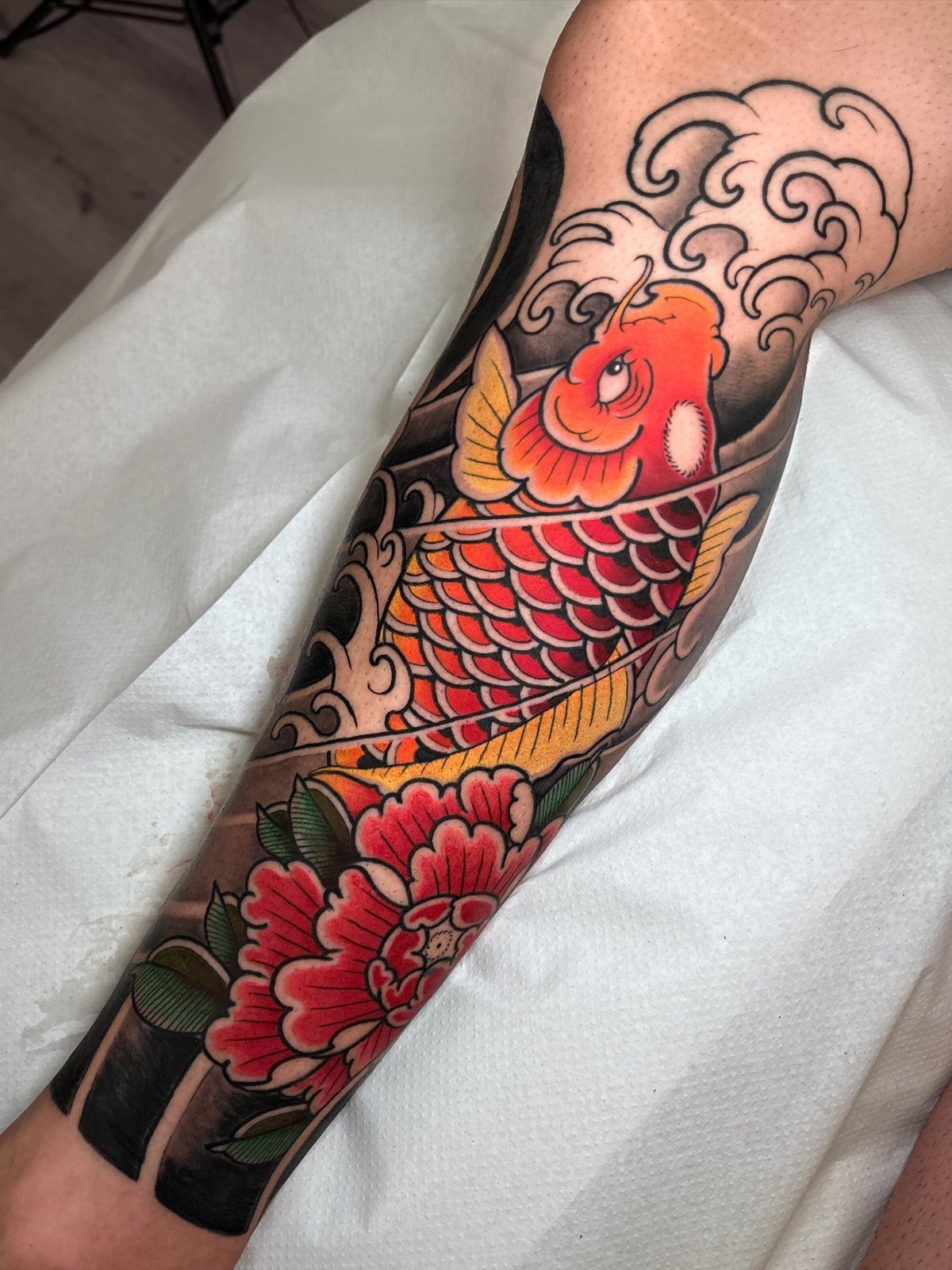
Pair the koi with peony blooms if you want a piece that fills the upper arm or thigh with color and motion.
The orange and red contrast with black water or blue waves, and the rounded fish shape fits the forearm curve naturally.
Japanese tradition layers meaning into the pairing: koi for perseverance, peonies for prosperity. The design works with or without knowing that.
Forearm placement keeps the detail visible and gives your artist room to build depth in the scales and petals.
21. Compass Tattoo
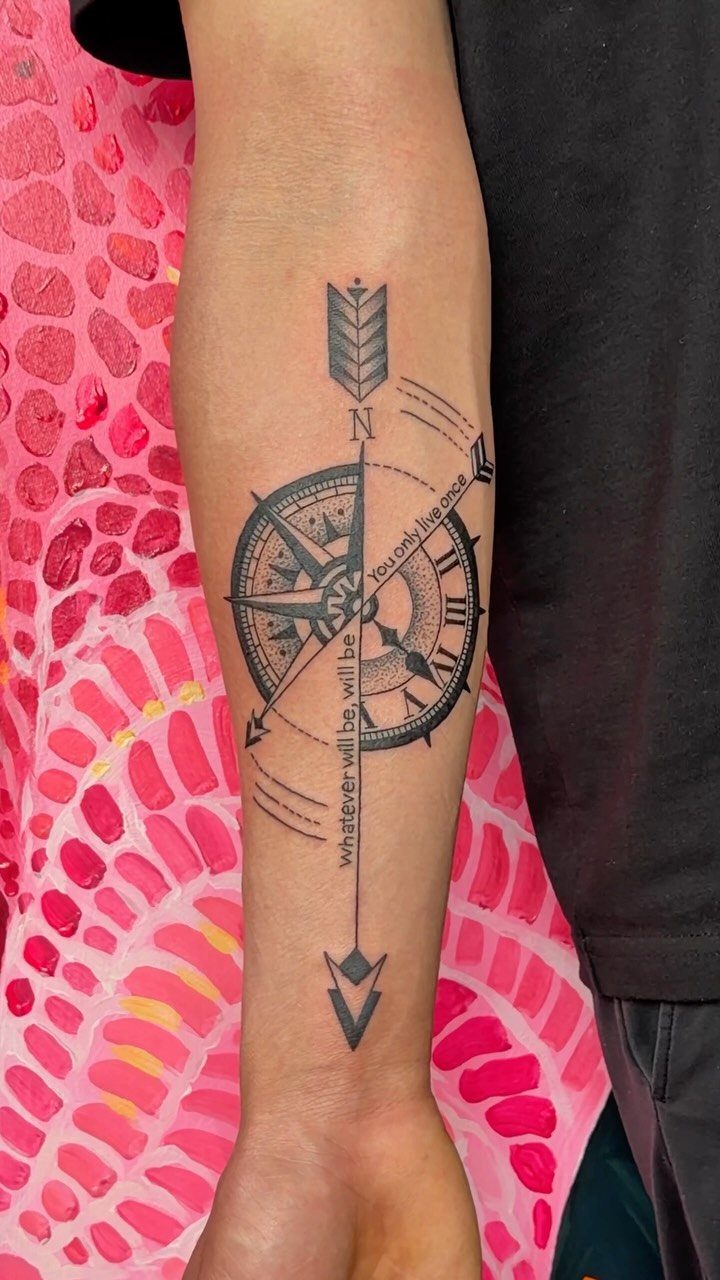
A compass with directional points keeps you grounded in the design. Adding an arrow or script turns it into something layered, but the compass alone carries enough weight to stand on its own.
Forearm placement makes sense if the design marks a turning point or a direction you chose. The round face fills the space between wrist and elbow without needing background filler.
Stick to black and grey if you want the detail to stay readable. Adding a map or coordinate lines fills negative space if you want more coverage.
22. Celtic Knot Tattoo
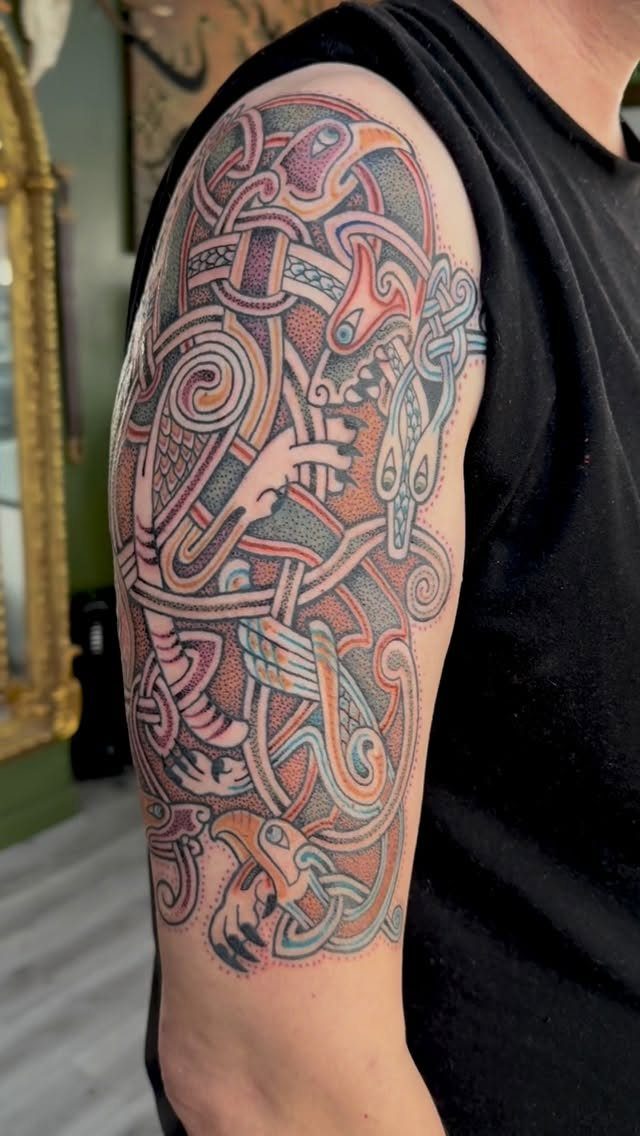
Celtic knots loop without beginning or end, and the interlaced lines hold up better than fine-line work. Adding animal heads or color to the crossings gives your artist room to layer detail into the weave.
Upper arm placement works because the curve matches the rounded bands of the knot. The design scales up or down depending on how much space you want to fill.
Find an artist who can keep the lines even. Uneven crossings read as mistakes, not style.
23. Samurai Tattoo
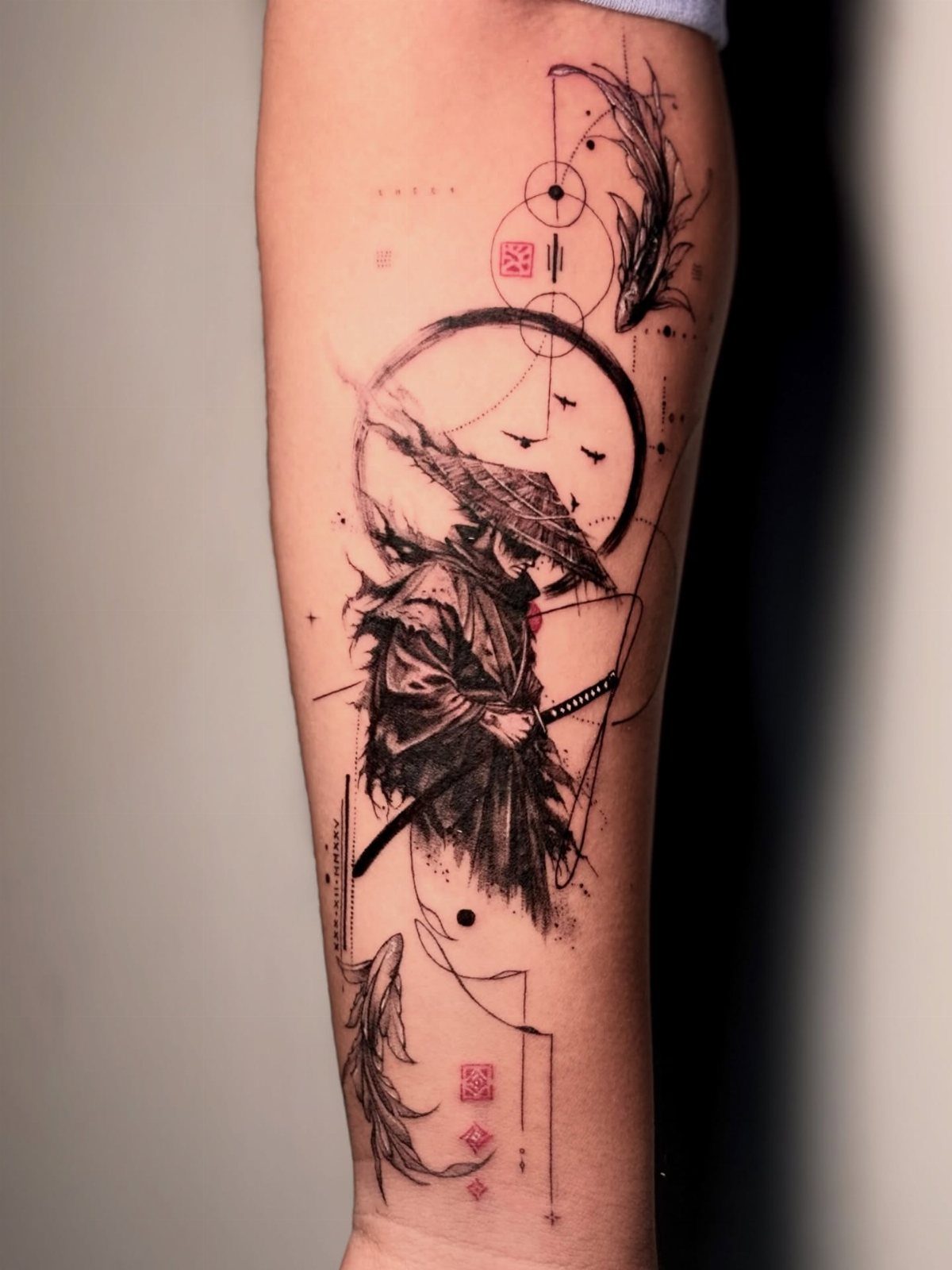
A samurai figure in armor anchors Japanese imagery without needing a full sleeve.
The hat and mask give the face shape, and you can pair them with a koi or geometric frame to fill the forearm without pushing too close to the figure.
Keep the warrior in black and grey, then add red to the mask or armor if you want a single accent that pulls focus. Full color works too, but takes longer to heal and costs more per session.
Forearm placement shows the detail and leaves shoulder space open for something else later.
24. Mountain Tattoo
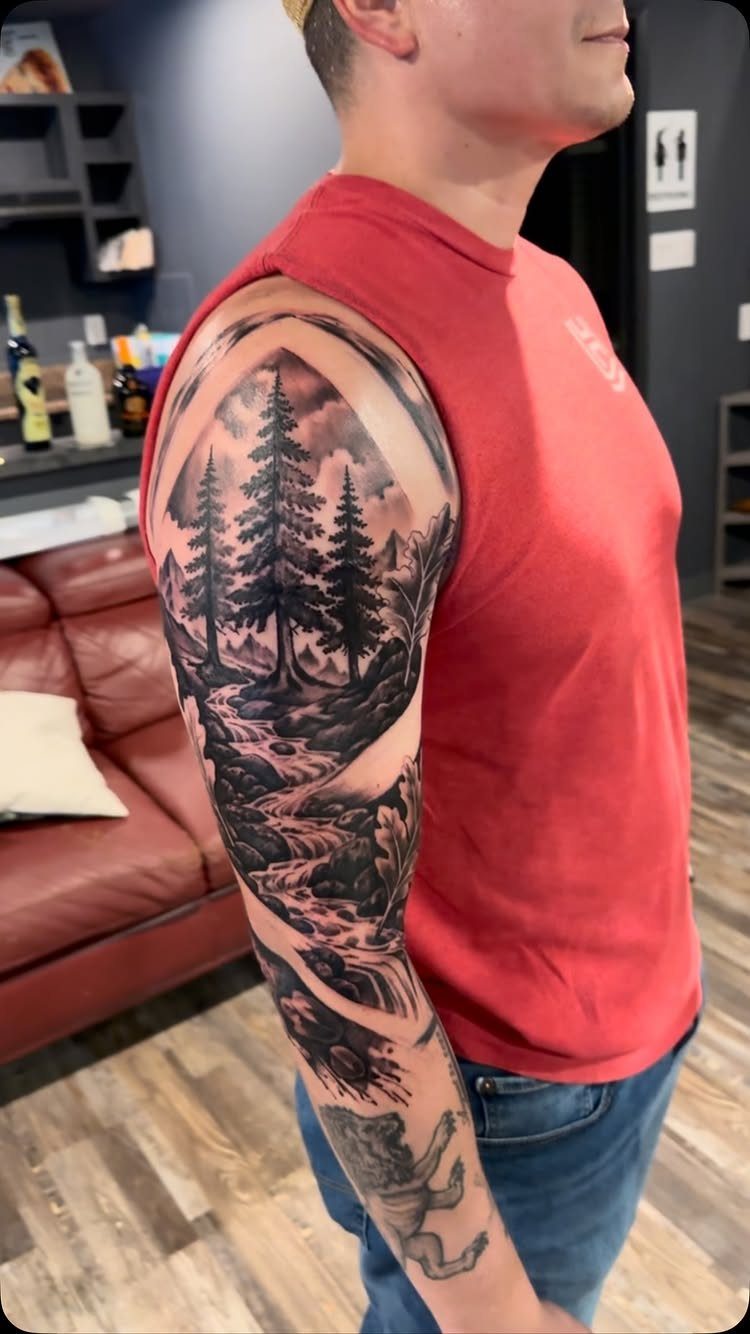
Mountain peaks with treeline and water give you a landscape that reads as outdoor pride or a specific place. You can layer family crests or heraldry into the ridges if the piece needs personal meaning beyond the landscape.
Shading the ridges and treeline in black and grey gives you depth without color that can shift or fade at different rates.
Upper arm placement curves the design with your muscle and leaves room to extend it into a half sleeve if you want more later.
The outer arm sits at moderate pain, easier than the ribs or inner bicep.
25. Family Crest Tattoo
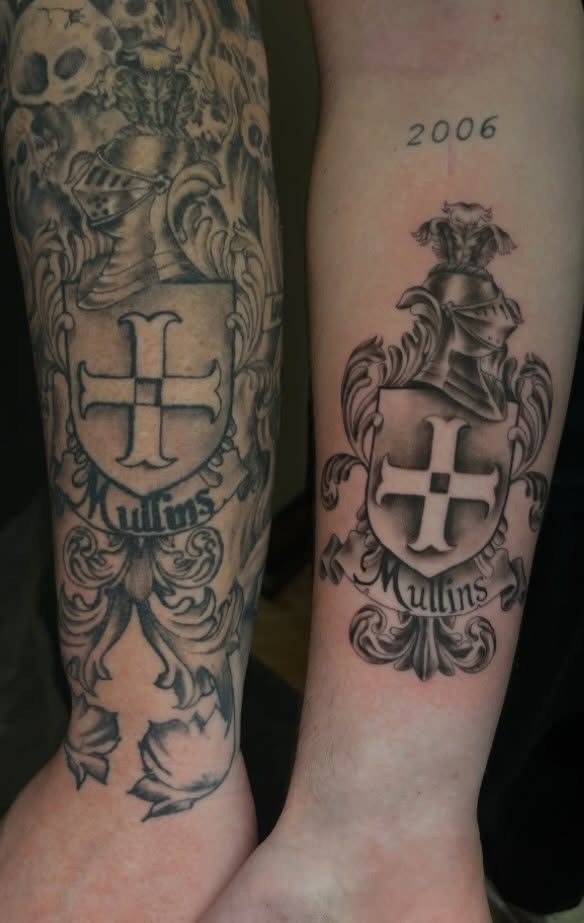
A family crest carries your surname and lineage into a design that fits the forearm or upper chest.
The shield, helmet and motto banner give your artist structure to work with, and adding the year or a specific detail anchors it to your branch of the family.
Grey ink holds the crest’s fine lines without blurring them over time. Color works if your family arms include specific tones, but most crests hold up better without it.
Forearm placement keeps it visible and gives you room for the full design without cramping the shield or text.
Choosing the Right Tattoo Style
Realism puts a photograph on skin. The style needs an artist who can handle shading, proportion and fine detail, because a face or animal that’s slightly off reads as a mistake forever.
American traditional uses bold black outlines, limited color and simple shapes that hold up as the ink spreads over decades.
Neo-traditional takes those same bold lines and adds more color range and flowing shapes that follow your muscle structure instead of fighting it.
Japanese traditional builds full body suits with koi, dragons, waves and peonies in saturated color. The compositions follow rules about placement and pairing, so find an artist who knows the tradition if that’s the route you want.
The style you pick should match the kind of detail you want and how you expect the piece to age.
Tattoo Placement Considerations
You’ll catch sight of an arm tattoo dozens of times a day, and the skin there heals without much drama.
A chest piece can stretch wide enough for a full scene, but expect real discomfort near the center bone and plan for shirts to keep irritating it while it seals.
The back is ideal for expansive work that doesn’t need to be seen daily. Legs accommodate both large and small pieces and are easier to conceal when needed, which matters if your workplace has restrictions.
Thigh to shin gives you room for optical illusions or biomechanical detail, and the calf curves naturally for designs that wrap.
Placement affects how much the tattoo hurts and how quickly it heals.
Ribs, spine and neck sit at the high end of pain. Forearm, shoulder and outer arm are moderate and manageable for most people.
Advice for First-Time Tattoo Seekers
A small, meaningful design on the wrist, chest or forearm leaves room to expand later without boxing you into a direction you regret.
Starting small also gives you a sense of how your skin heals and how you feel about visible ink before you commit to a half sleeve or chest piece.
Placements that can be easily concealed matter if your job or family situation might shift in the next few years.
Upper arm, chest and thigh all hide under standard clothing, while forearm, neck and hand tattoos stay visible in most professional settings.
Avoid packing too many elements into one piece. A sleeve with too many unconnected designs reads as cluttered unless you’re deliberately building a patchwork style.
Pick a theme or a few central images that tie together, then let your artist use filler to connect them instead of cramming in extra symbols that don’t relate.
If you’re harboring any fear of commitment, it’s going to come to surface when the time comes to decide on a tattoo.
— GQ
Frequently Asked Questions
Where do guys get tattoos?
Arms, chest, back and legs are the most common placements. Forearms and upper arms show ink daily and heal without much drama, while chest and back give you room for larger scenes that stay hidden under clothing.
Legs work for pieces you want to conceal at work or for designs that wrap around the calf.
What are the most popular tattoos for men?
Animals like eagles, lions and wolves hold the top spots, followed by script, tribal bands and geometric designs. Script, geometric patterns and animal designs stay legible as the skin changes, while fine line can blur.
What tattoos do girls like on guys?
I can’t answer for everyone, but designs that fit your personality and placement tend to read better than ink that looks borrowed.
A full sleeve or chest piece shows commitment, while a small script or animal that matches your build reads as intentional. Avoid giant neck tattoos paired with an empty torso, that split reads as unfinished.