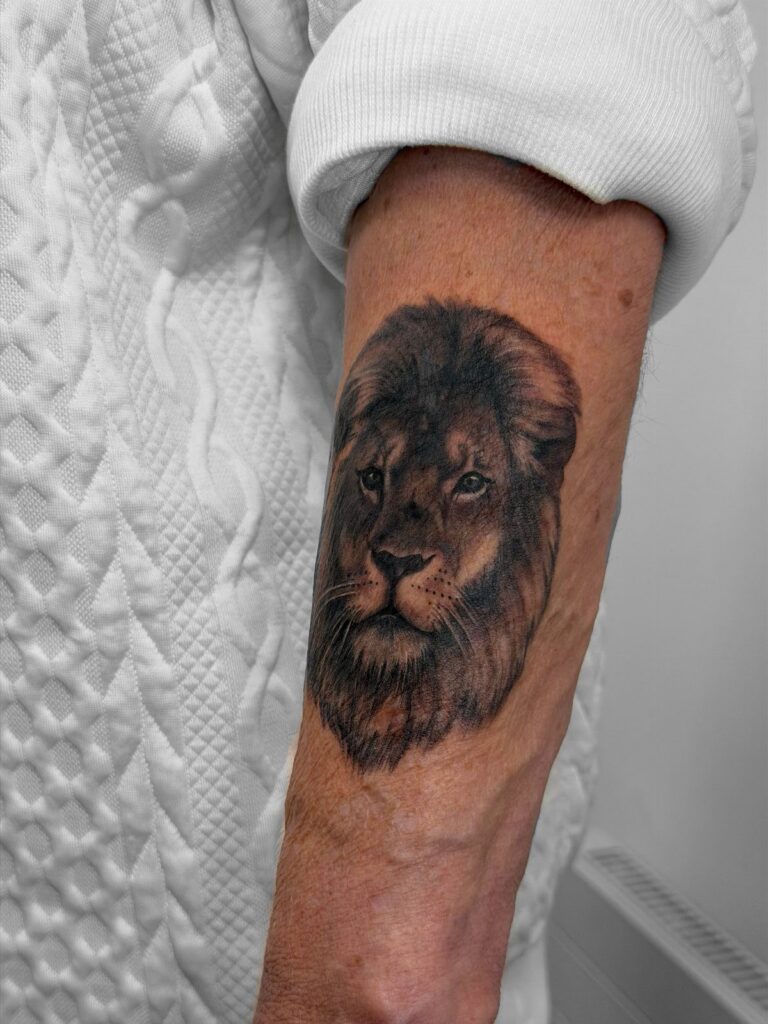
Getting your first tattoo at 50 or 60 carries different considerations than it did at 25, but the process is the same and a well-placed design can last just as well.
Florals, script, phoenixes and hummingbirds hold up better than tiny delicate line work once skin texture changes, so designs with clear shapes and medium-weight lines matter more now.
1. Floral Tattoos
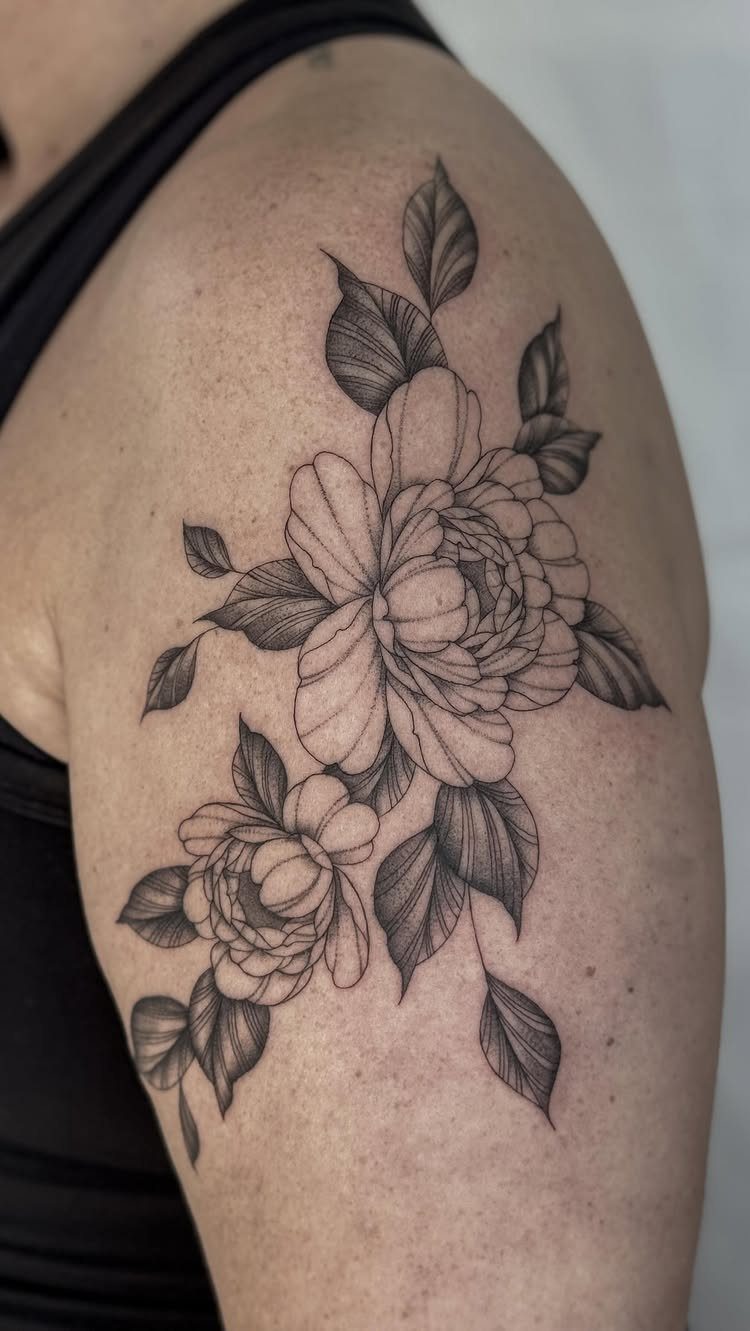
Peonies and leaves rendered in black and grey sit naturally on the upper arm, full enough to read clearly but soft in their shading.
Floral designs like this one age gracefully; the form stays recognizable even as lines settle, and the arm offers enough flat surface to keep petals from distorting.
Black and grey heals more cleanly than color and requires fewer touch-ups over time. Upper arm placement means you control when it shows, and the curve moves with the shape of the muscle without fighting it.
2. Lion Tattoo
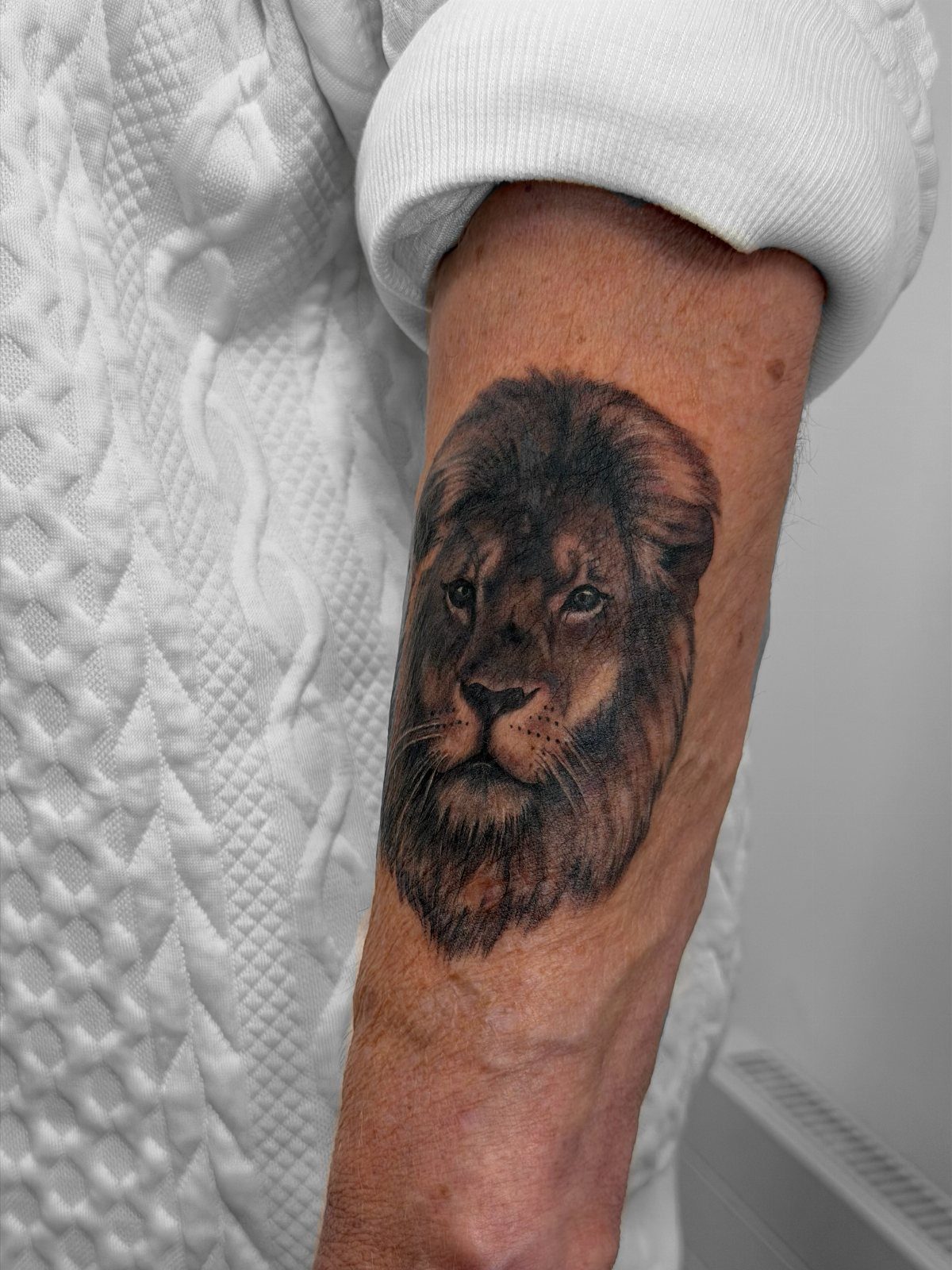
A lion head in black and grey on the forearm brings weight without needing size.
The detail in the mane and face holds up because the forearm stays relatively stable as skin changes, and realistic shading in grey tones reads clearly without the maintenance color demands.
Forearm placement puts the design where you see it daily, which matters if the image carries personal meaning. Plan on keeping it out of direct sun during the first few weeks.
3. Cursive Script Tattoos
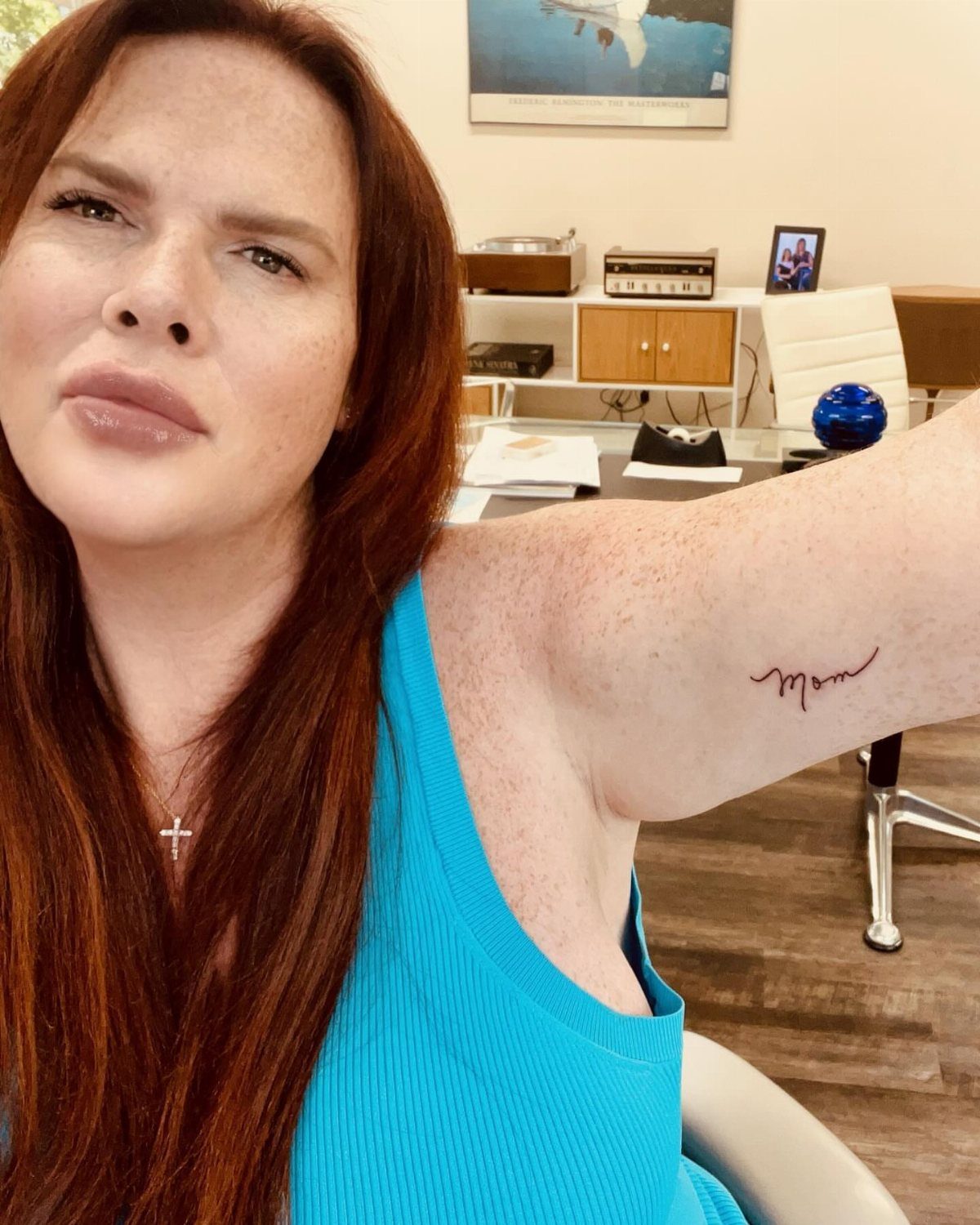
A single word in cursive on the inner upper arm says exactly what it needs to without ornament.
Script tattoos work best when the text is short, the letters are large enough to stay legible as skin ages, and the design sits on a straight baseline rather than wrapping around a curve.
Inner arm skin is thinner, so the session is quick but not comfortable.
The spot heals easily if you keep it clean and avoid friction from sleeves during the first week. Choose a font with clear spacing between letters; overly decorative script blurs faster.
4. Tattoo Incorporating Scars
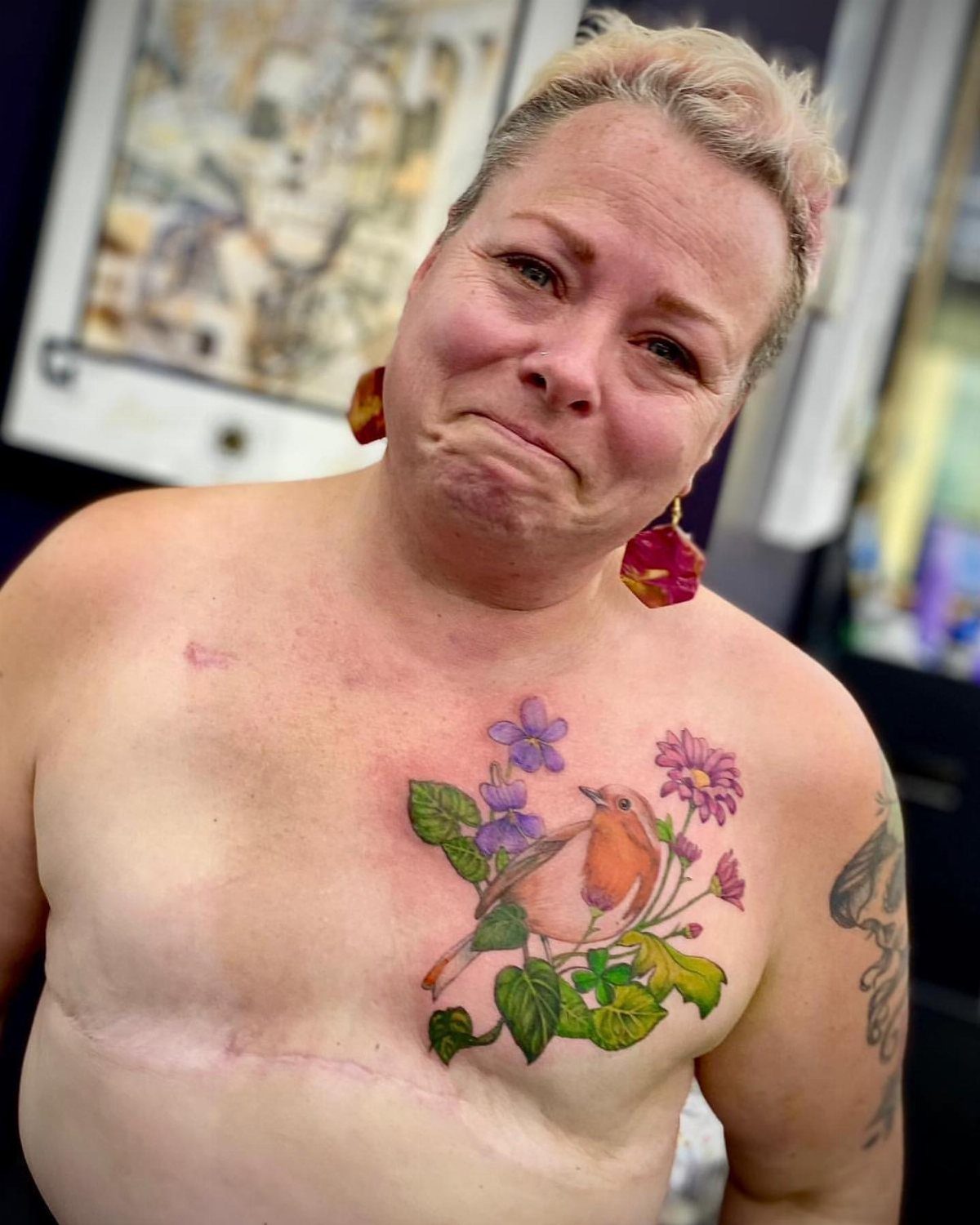
A robin and flowers in color sit just above and around a surgical scar, turning the line into part of the composition rather than something to hide.
Tattooing over or near scar tissue requires an experienced artist who knows how the skin will take ink differently, and color choices that match your skin tone help the design feel integrated.
Scars older than a year heal more predictably, and placing imagery beside rather than directly on top of the scar line often gives cleaner results.
This approach works for mastectomy scars, surgical scars, or any mark you’d rather see framed than alone.
5. Phoenix Tattoo
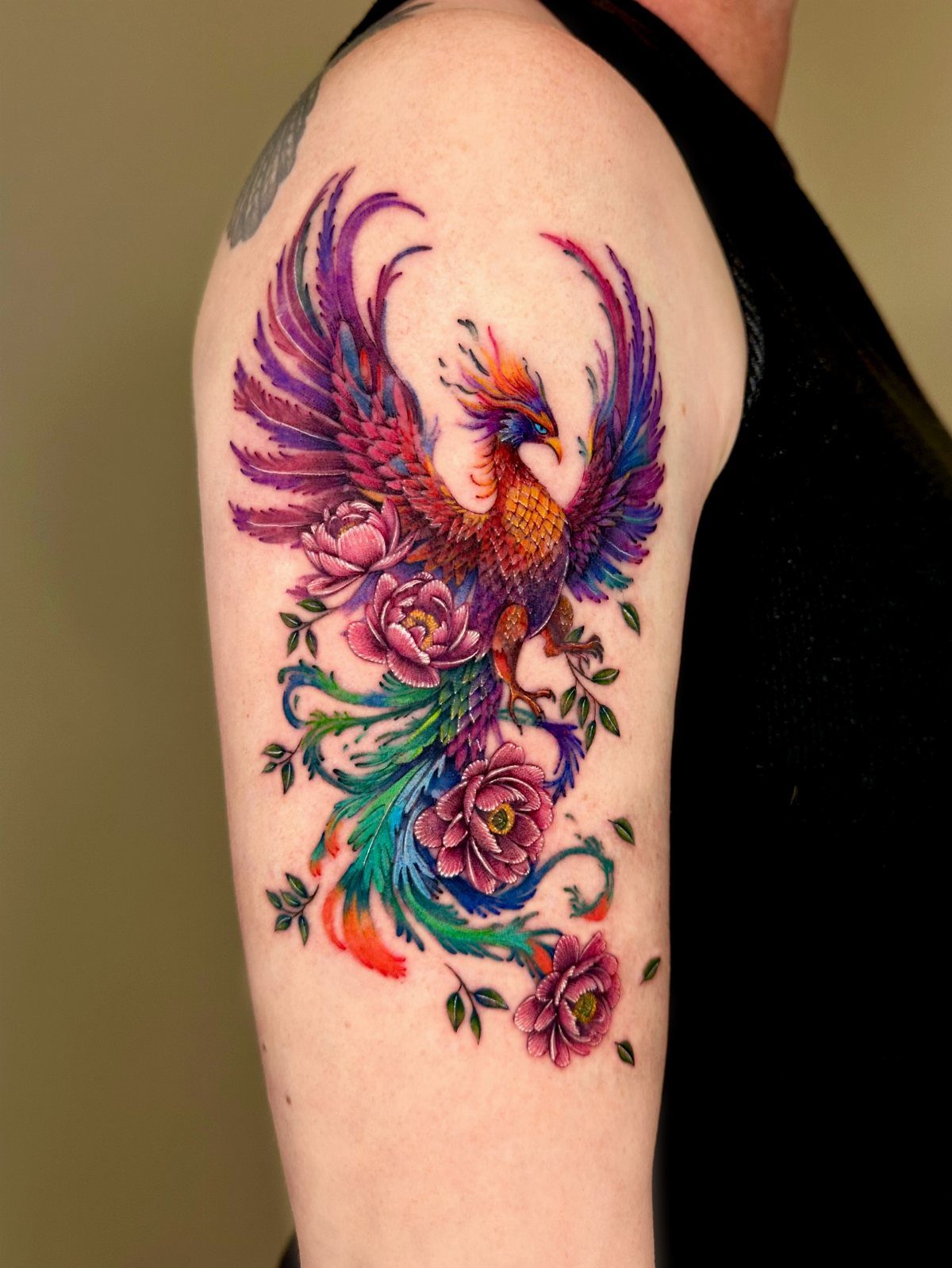
A phoenix rising with pink flowers on the upper arm brings color and motion together in a design that reads clearly.
The phoenix suits anyone marking a turning point, and the upper arm gives enough space for wings and tail feathers to spread without crowding.
Color saturation fades faster on older skin, so budget for a touch-up session every few years if you want the pink and orange tones to stay bright. Healing takes longer if you’re on blood thinners or have slower skin turnover.
6. Butterfly Tattoo
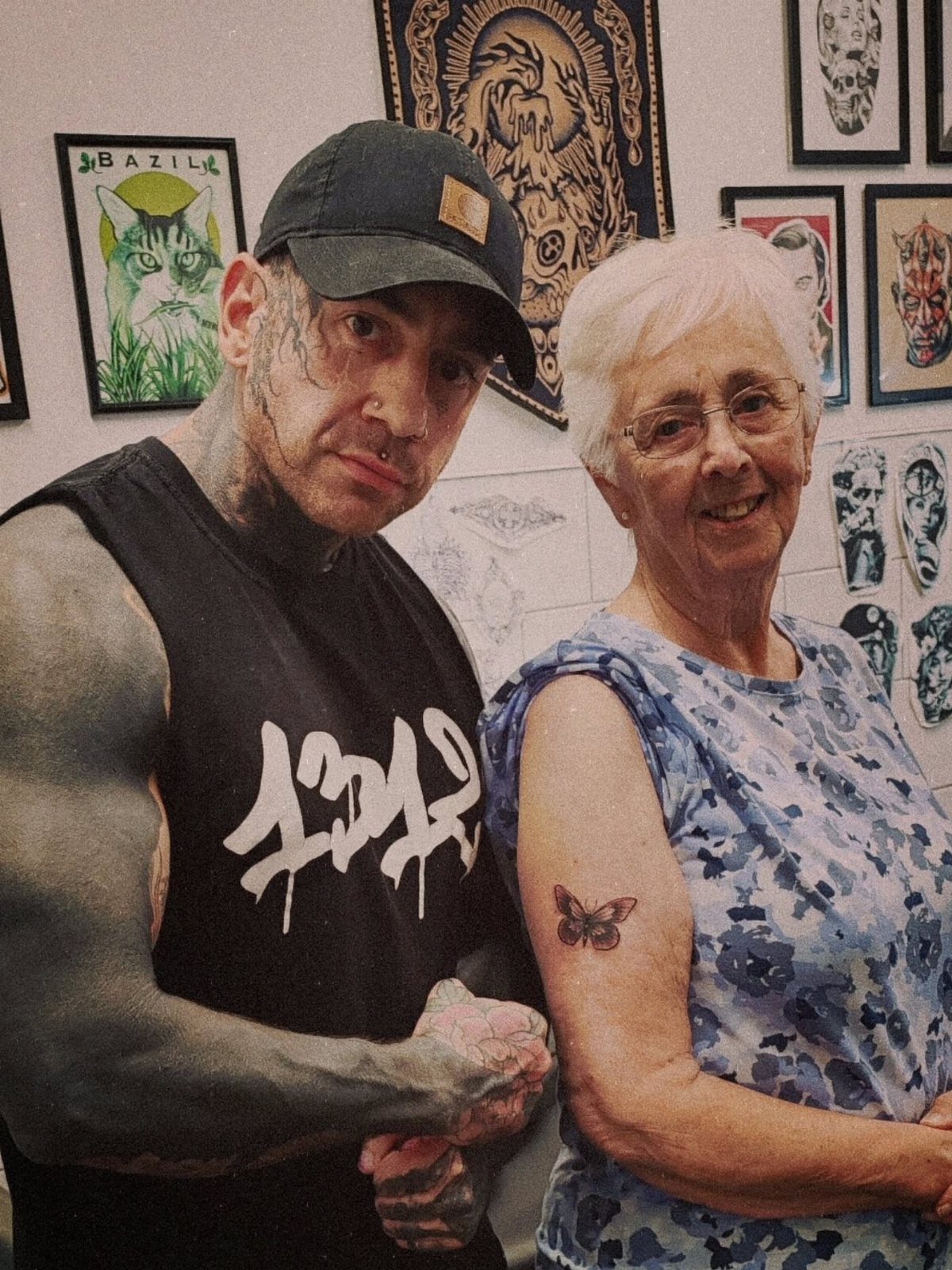
A small butterfly on the upper arm takes less than an hour and leaves room for more ink later. Butterflies suit first-timers because the shape is simple, the symbolism is widely understood, and the size keeps the commitment manageable.
Upper arm placement hurts less than bonier spots like the wrist or ribs, and the skin there stays taut longer than areas that see more sun or stretching.
Keep the design small if you want crisp edges; butterflies with too much fine detail blur as the years go on.
7. Hummingbird Tattoo
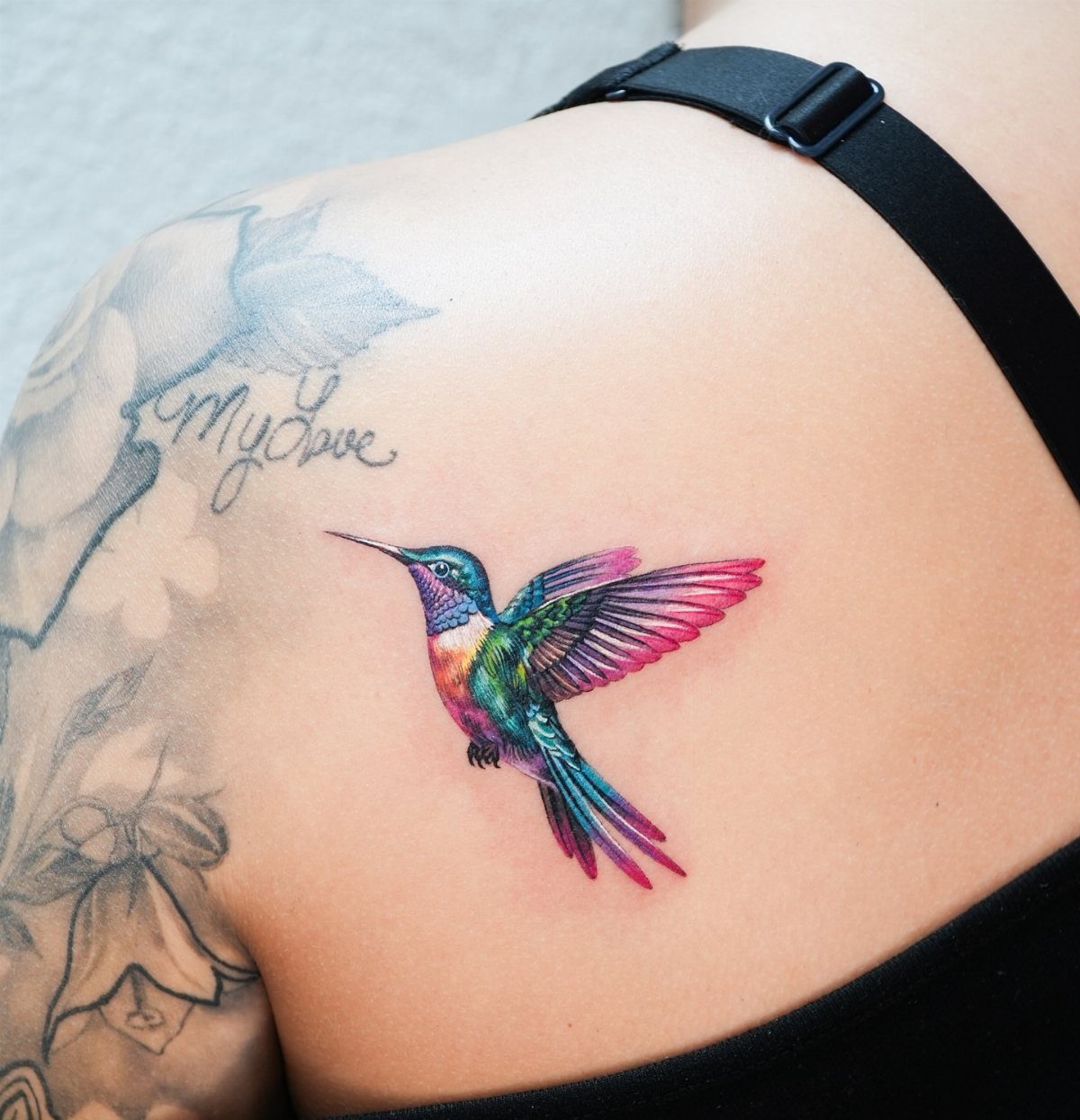
A hummingbird in pink and blue on the shoulder brings motion and color into a small space.
The shape reads clearly without needing much detail, and shoulder placement means the design sits where clothing can cover it or not, depending on what you wear.
Color on the shoulder fades slower than on hands or feet, but plan on a touch-up every few years to keep the tones bright. The symbolism carries across cultures, so the piece stays readable without explanation.
8. Fingerprint Tattoos
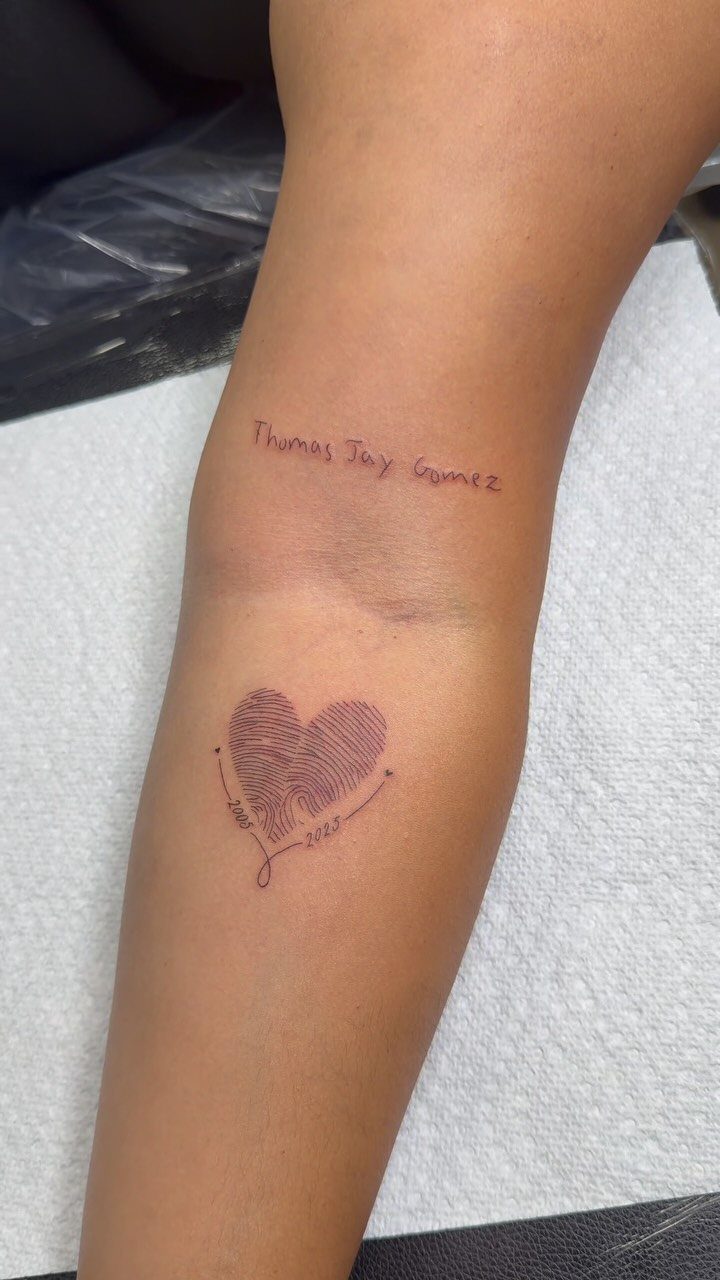
A fingerprint shaped into a heart on the forearm uses a loved one’s actual print, turned into ink. The name and dates above it anchor the design, and the fingerprint detail holds up because forearm skin stays relatively stable.
You’ll need a clear scan or ink print of the fingerprint before the session. The artist scales it to fit the shape, and the line work stays fine, so touch-ups down the line keep the ridges crisp.
9. Moon Phase Tattoos
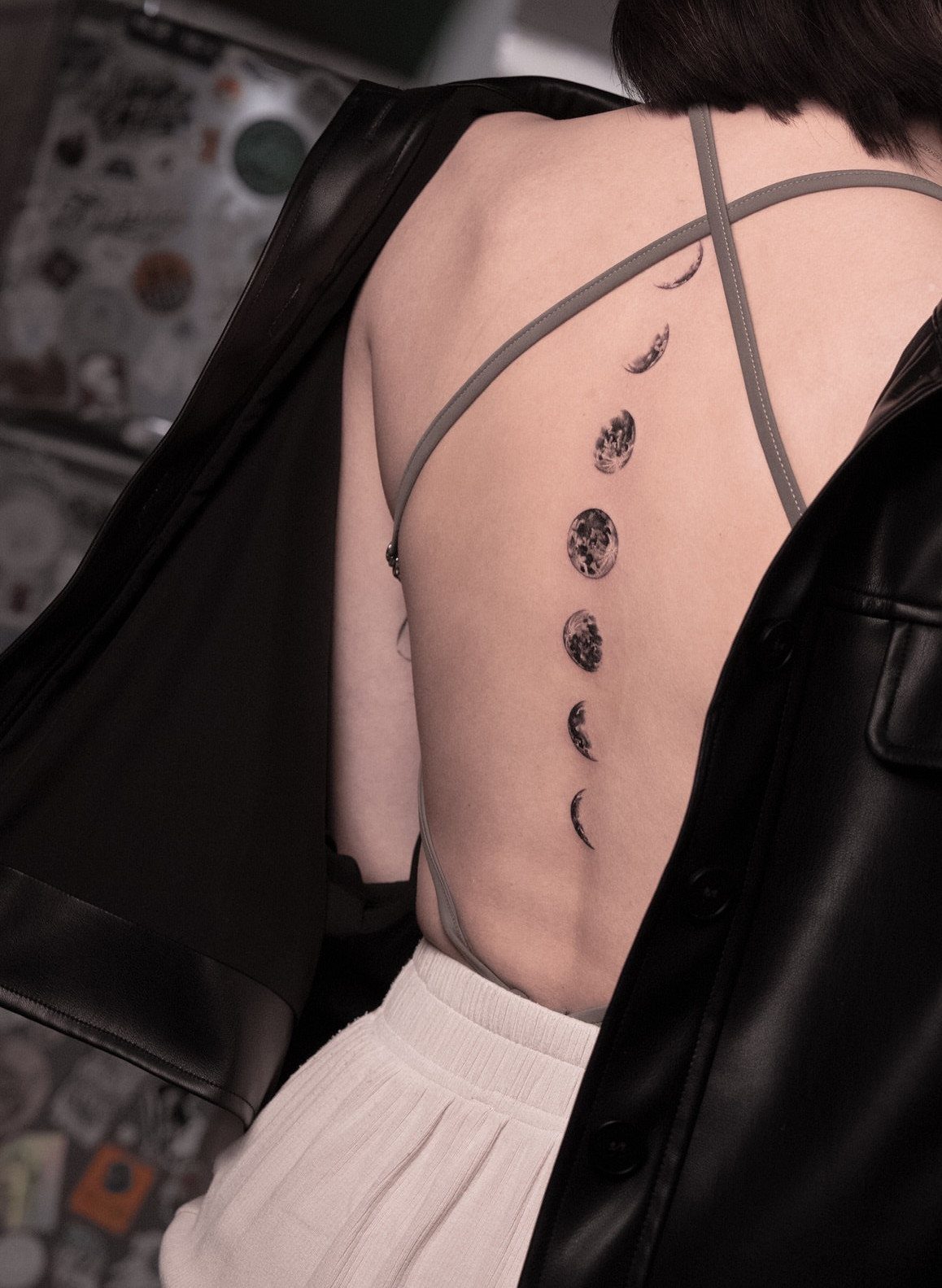
Moon phases running vertically down the spine mark cycles and time in a design that reads just as clearly later as it does now.
The spine gives enough length to space the phases without crowding, and black ink on a straight line ages cleanly.
Spine placement hurts more than fleshier spots, but the session is quick if you keep the moons small. The design works alone or as a starting point for adding stars or constellations later.
10. Memorial Heart Tattoo
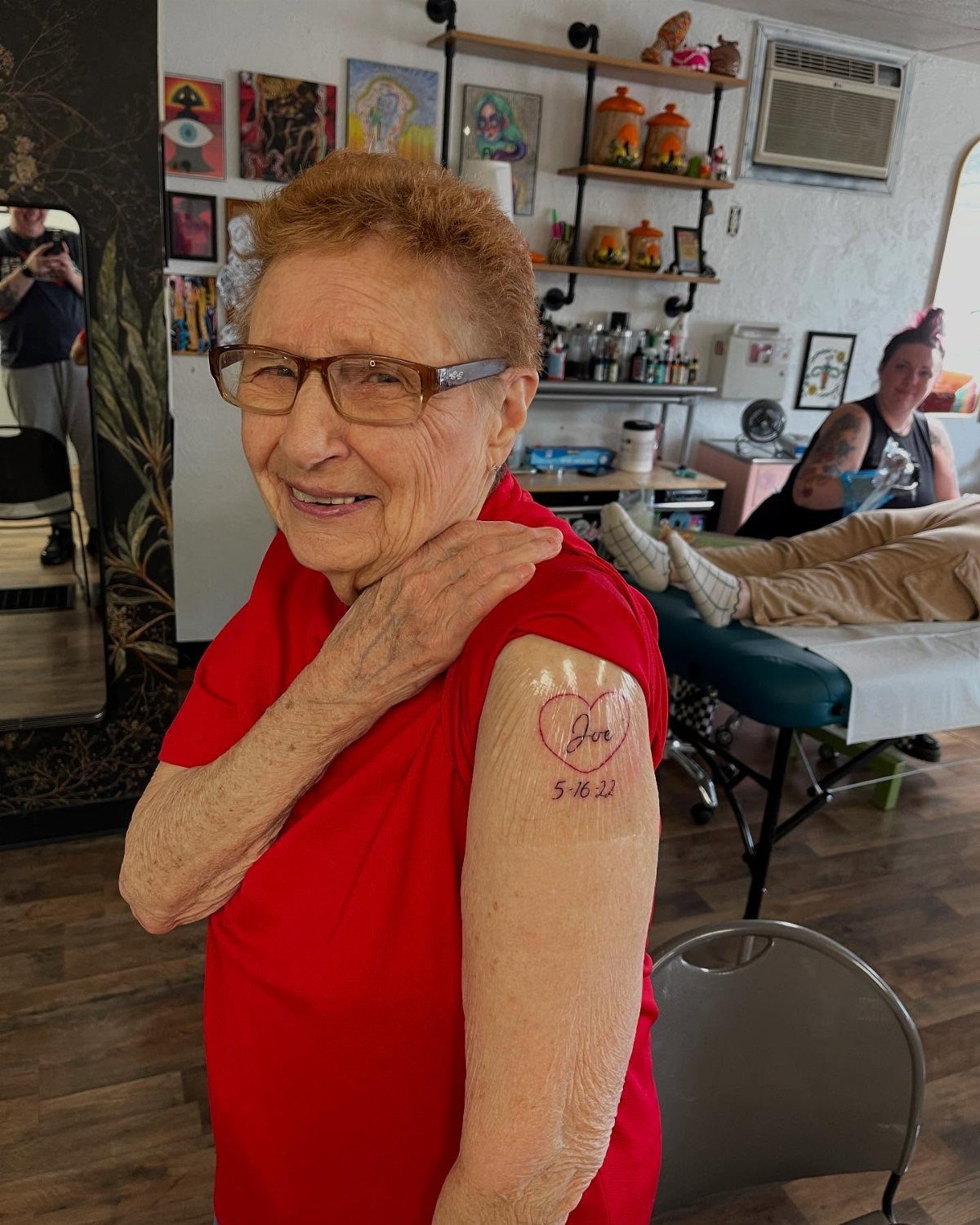
The shape is simple enough that it won’t blur as skin changes, and upper arm placement keeps it where you can see it or cover it depending on the day.
Script inside the heart stays legible if you keep the letters large and the font straightforward.
11. Pet Portrait Tattoo
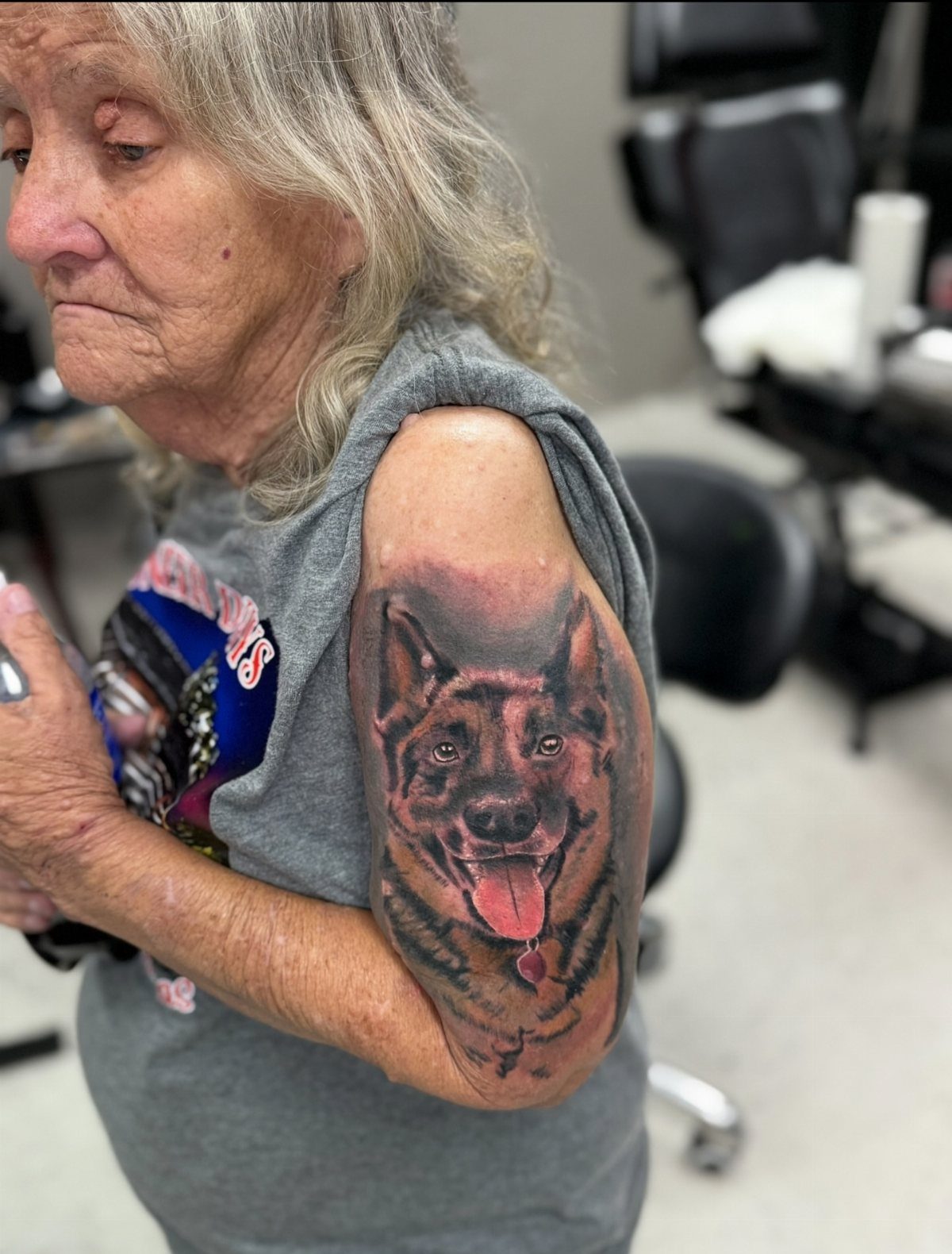
A realistic German Shepherd portrait in color on the upper arm captures a specific animal, not just the breed.
Portrait work requires an artist who specializes in realism, and a clear reference photo makes the difference between a likeness and a generic dog.
Color portraits need more sessions and cost more than line work, and the shading takes longer to heal.
Upper arm placement gives enough flat space for the face to sit without distortion, and the spot stays out of sun if you keep it covered during healing.
12. Tiger Head Tattoo
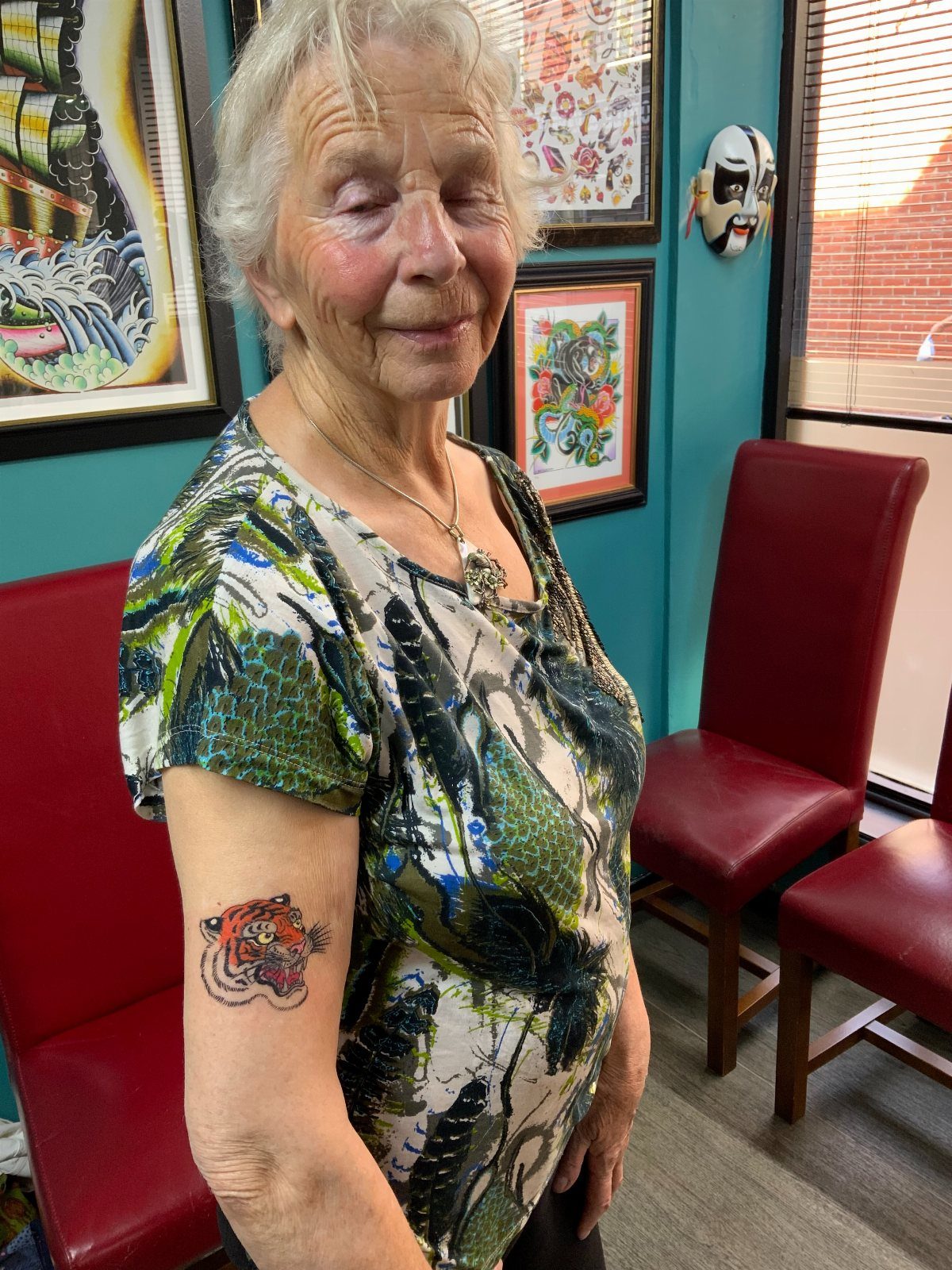
Budget for touch-ups every few years to keep the orange tones saturated. The symbolism is strong enough that the design carries meaning without needing explanation.
13. Full Sleeve Tattoos
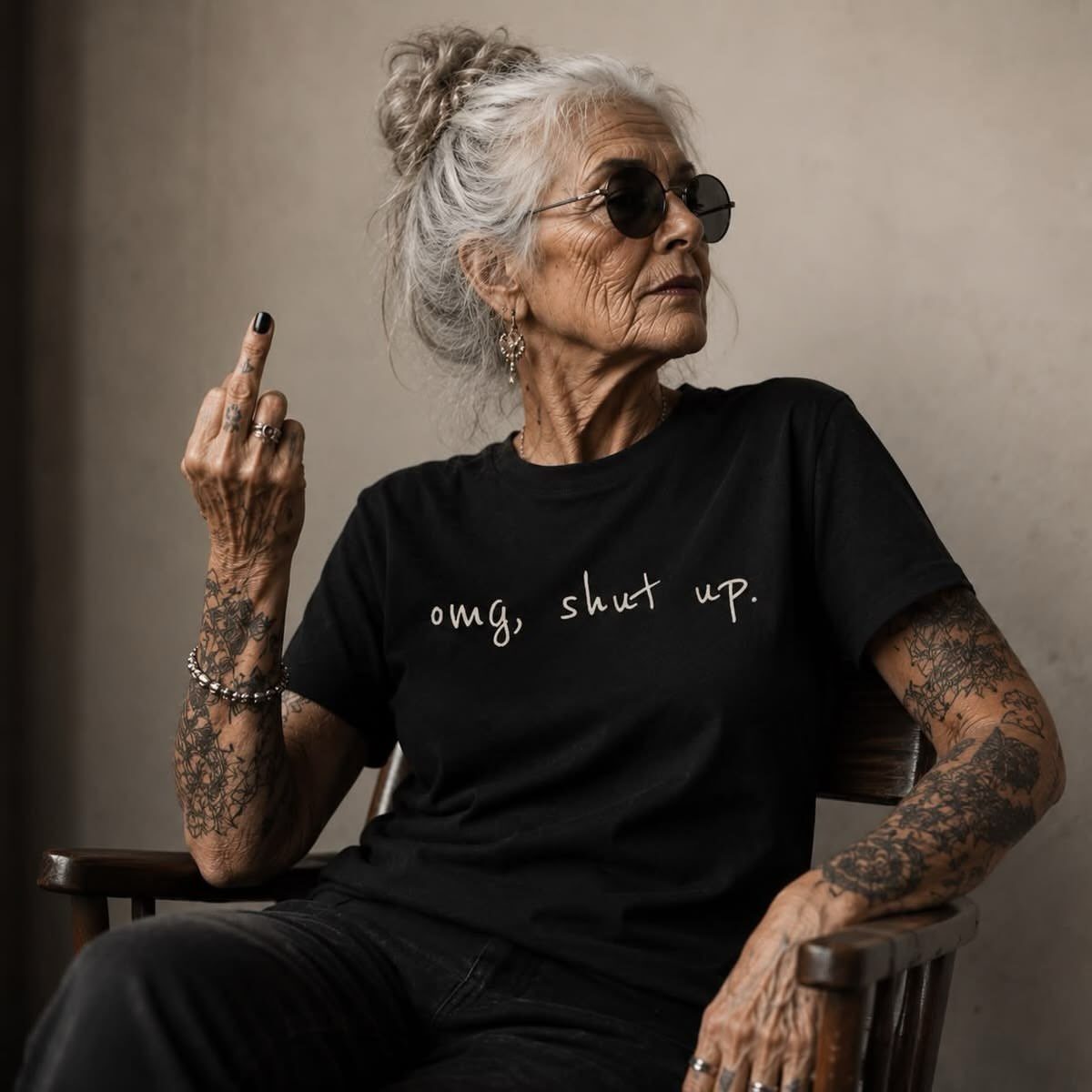
Full coverage on both arms in black ink makes a statement that doesn’t soften with age. Sleeves take multiple sessions spread across several months, and the cost runs several thousand dollars depending on detail and your artist’s rate.
Older skin holds ink differently than younger skin, so an experienced artist adjusts needle depth and works in shorter sessions to let each section heal fully before adding more. Hands and inner arms hurt more than outer forearms.
The design reads as one piece when the artist plans the flow from shoulder to wrist before starting.
Aging Skin and Tattoos
Areas that have seen years of sun exposure or weight shifts may not hold very fine detail as cleanly as they once would have, and the texture can vary more than it did at 22.
Thick lines stay readable longer than delicate ones once skin starts to change.
Designs with clear, simple forms and medium-weight lines stay readable longer, while intricate detail tends to blur. That matters more now than it did earlier.
You can get your first piece at any age.
Tattoo Care for Aging Skin
Aftercare takes patience, and aging skin requires more of it. The process is the same as it is for anyone else, but healing runs slower, so stick with it.
Turn away from the shower head so the stream doesn’t hit it directly. Blot with a clean towel, don’t wipe, and apply a fragrance-free lotion made for tattoos to stop the skin pulling tight.
Cover the tattoo or use sunscreen once it heals. Sun exposure fades ink faster, and older skin has already taken years of it.
Stay out of pools and baths until healing finishes, and do not pick at the skin. Picking leads to scarring or infection, and the design will not heal evenly if you interfere with it.
Consulting a Doctor
Talk to your doctor before booking the session if you take any medication, particularly blood thinners.
Common ones include aspirin, Pradaxa, Xarelto, and Brilinta. These medications increase bleeding and bruising during and after the tattoo, and your artist needs to know what to expect.
Skip caffeine and alcohol for 2 days before your appointment. Both thin the blood and make bleeding worse during the session.
If you have a skin condition like eczema or thinning skin in the area you want tattooed, a dermatologist can tell you whether the spot will heal predictably.
Most older adults can get tattooed safely, but clearing it with your doctor first keeps the process straightforward.
Frequently Asked Questions
Can a 72 year old woman get a tattoo?
Yes, you can get tattooed at any age.
A skilled artist will modify technique for mature skin, using lighter passes and allowing more recovery time between sessions. Talk to your doctor first if you take blood thinners or have a skin condition in the area you want tattooed.
What is the best tattoo for women?
The best design is one that holds personal meaning and suits the spot you choose. Floral pieces, memorial tattoos, symbolic designs like moon phases, and script with clear spacing age gracefully because their forms stay readable as skin changes.
Pick a design with thick or medium-weight lines rather than intricate detail, and place it where skin stays relatively stable over time.
What are some good tattoo ideas for seniors?
Floral designs in black and grey, memorial pieces with names or fingerprints, symbolic images like phoenixes or butterflies, and pet portraits are all popular choices.
Bold designs on areas like the shoulder or forearm age better because the skin there stays relatively smooth and taut.





