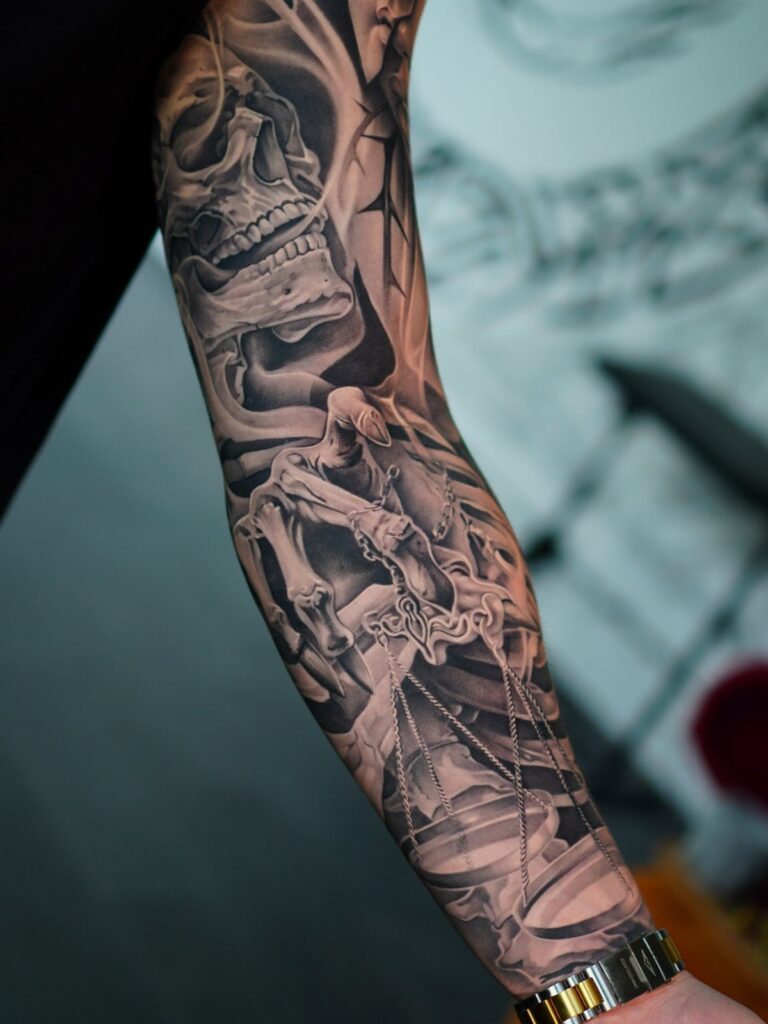
Most of these sit hidden under a sleeve until you extend your arm, which gives you control over who sees the piece and when.
Pain stays moderate across most of this area because you’re working on muscle rather than bone, though the inner wrist and elbow ditch are more sensitive.
Fine-line trails and continuous-line designs heal faster than abstract blackwork, which can take 2–3 sessions for full saturation, and script needs enough letter weight to stay legible after a few years or the text will blur together.
1. Fine-Line Floral Trails
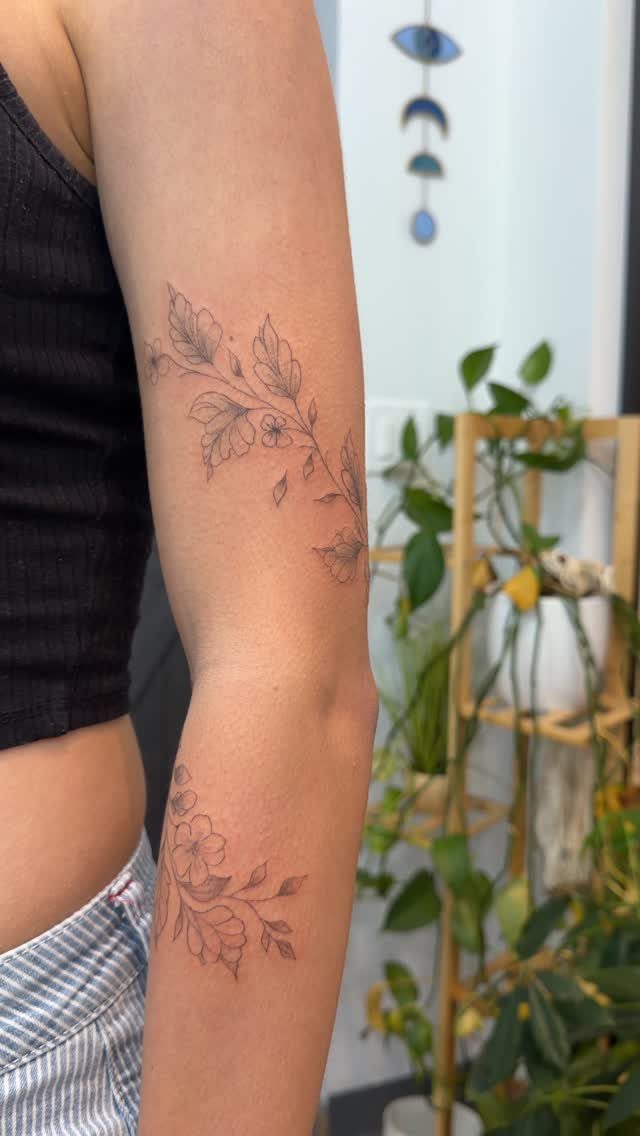
Fine-line floral tattoos work beautifully on the inner arm because the design can stretch vertically and match the curve of your limb.
The delicate stems and petals sit close to the skin without heavy shading, which keeps the piece readable even as it ages.
This placement lets you show the tattoo or hide it easily.
Most fine-line work on the inner arm takes 1–2 hours depending on the length of the trail, and healing is straightforward since the area stays protected under sleeves most of the time.
2. Personal Handwriting Script
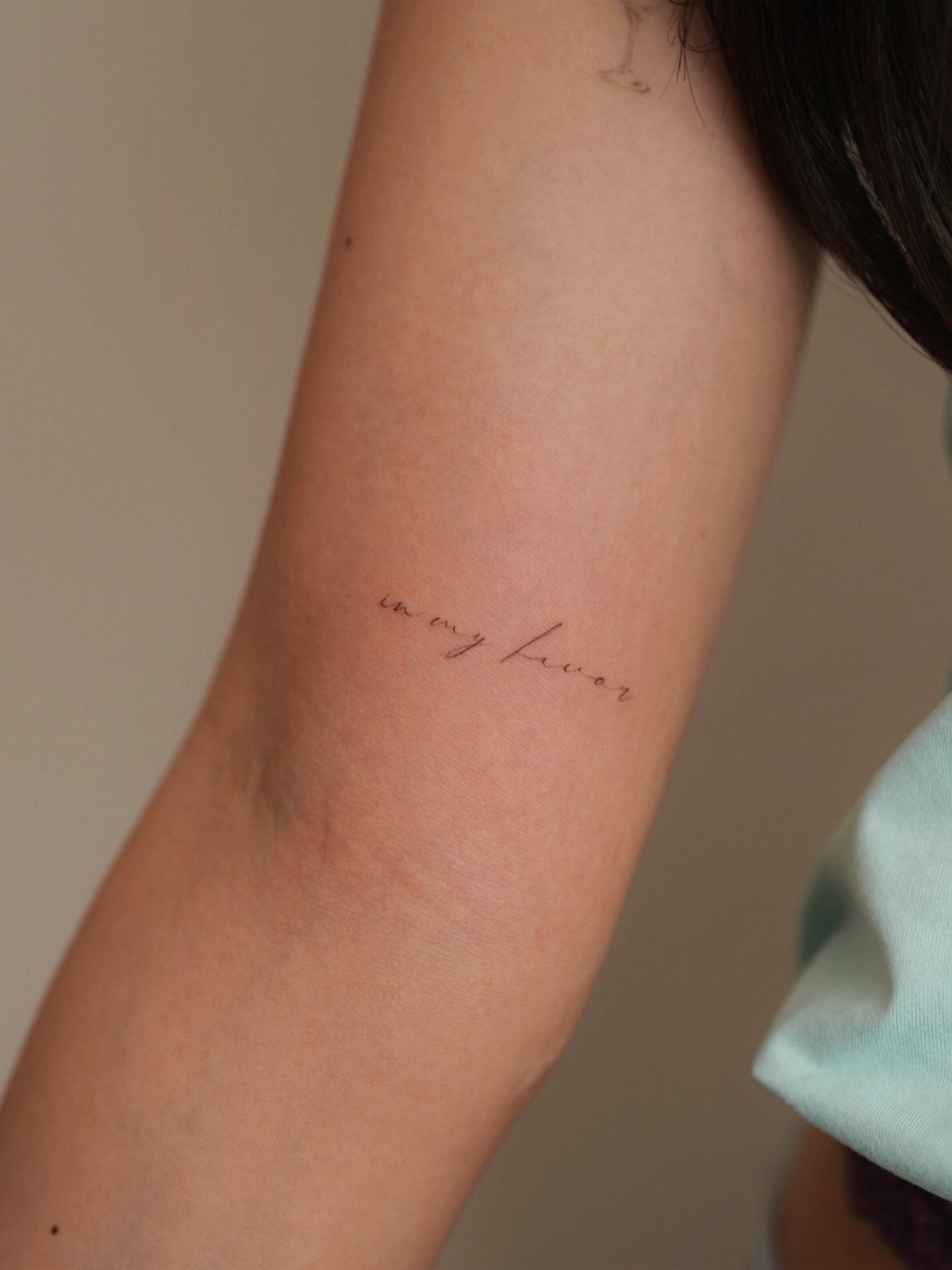
Handwriting tattoos carry meaning that’s yours alone. The inner forearm offers a flat, visible surface that makes script easy to read without tilting your arm.
Keep the phrase short so the letters stay legible at a small size. Longer quotes often need to wrap or shrink, and fine cursive can blur after a few years if the letters sit too close together.
Bring a high-resolution scan of the actual handwriting to your artist. Photocopied or low-quality images lose the details that make the script feel authentic.
3. Celestial Moons and Stars
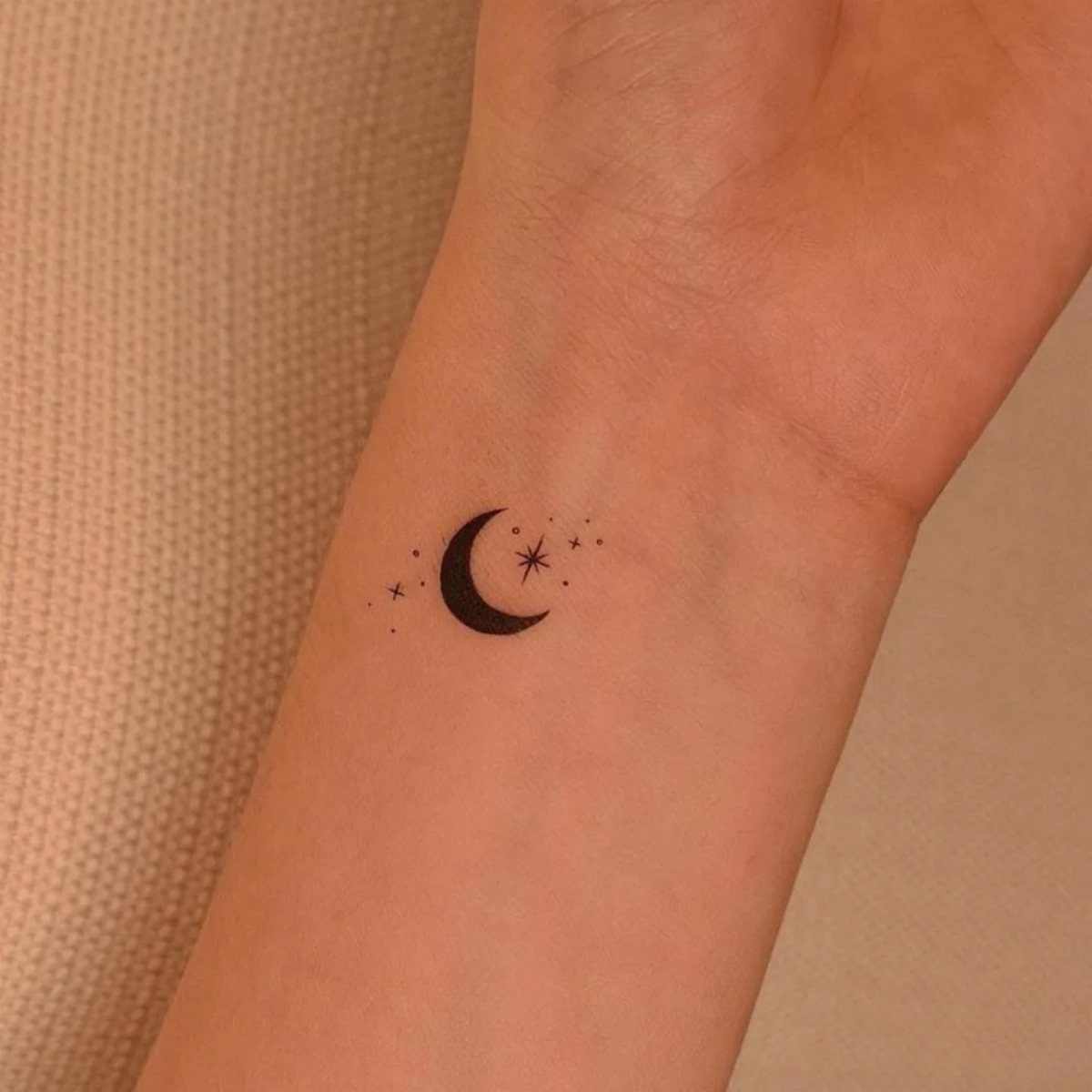
Celestial designs suit the inner wrist because they don’t need much width. A crescent moon paired with a few stars fits neatly in the narrow space and stays legible from any angle.
This spot heals quicker than the outer wrist since it sees less friction from daily movement. Pain is moderate; the skin here is thin, but the tattoo finishes quickly.
For more detail, extend the design up the forearm. A single moon on the wrist works best when kept simple.
4. Geometric Cuffs
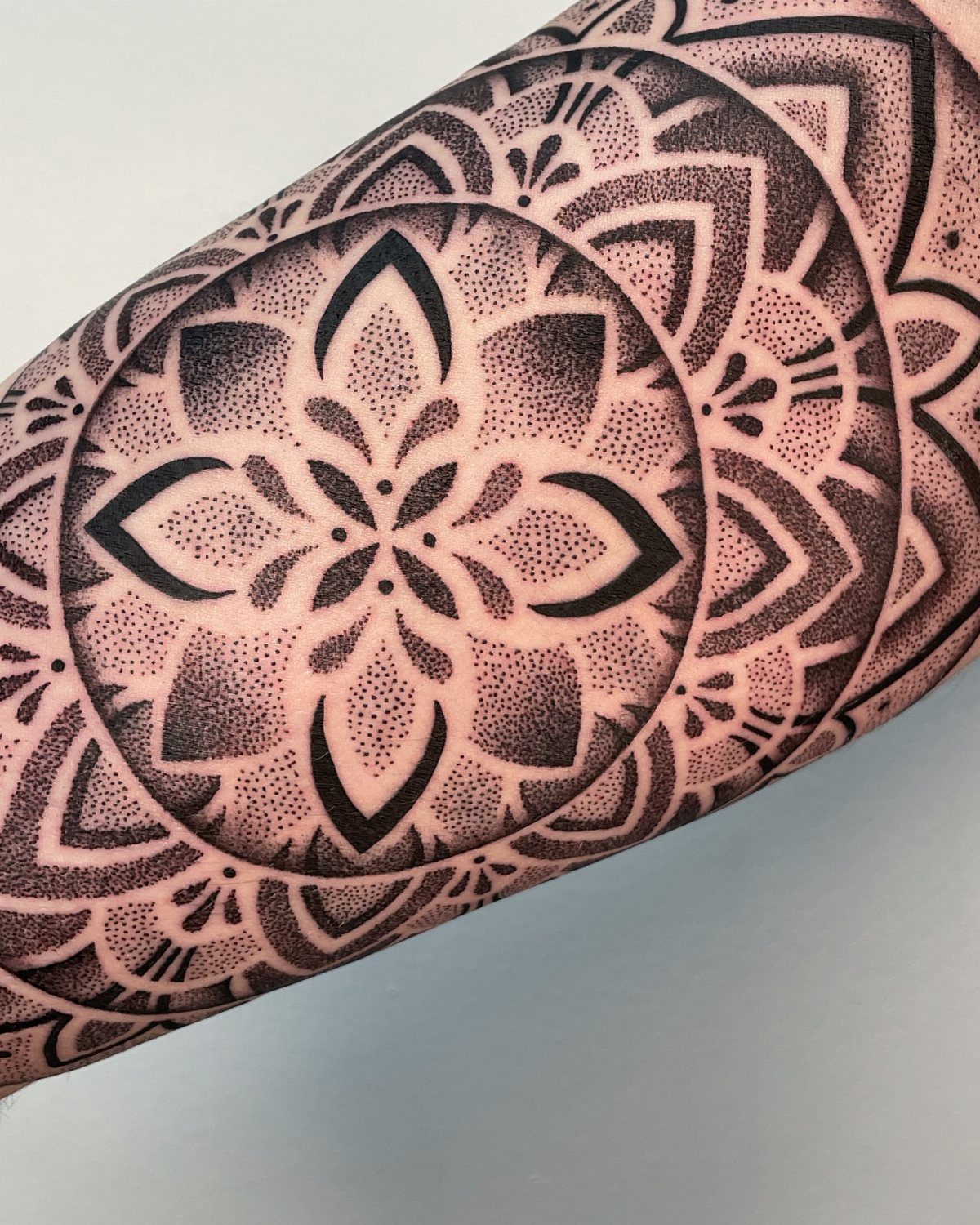
Geometric cuffs circle the arm and create a continuous band that looks finished from every angle.
Mandala patterns with dotwork shading add texture without relying on solid black fills, which makes the piece lighter visually and easier to pair with other tattoos later.
The inner arm offers enough flat space for symmetry to land correctly. Most cuff designs run several hours depending on the level of detail, and the pain is tolerable since you’re not working directly over bone.
5. Single Animal Design
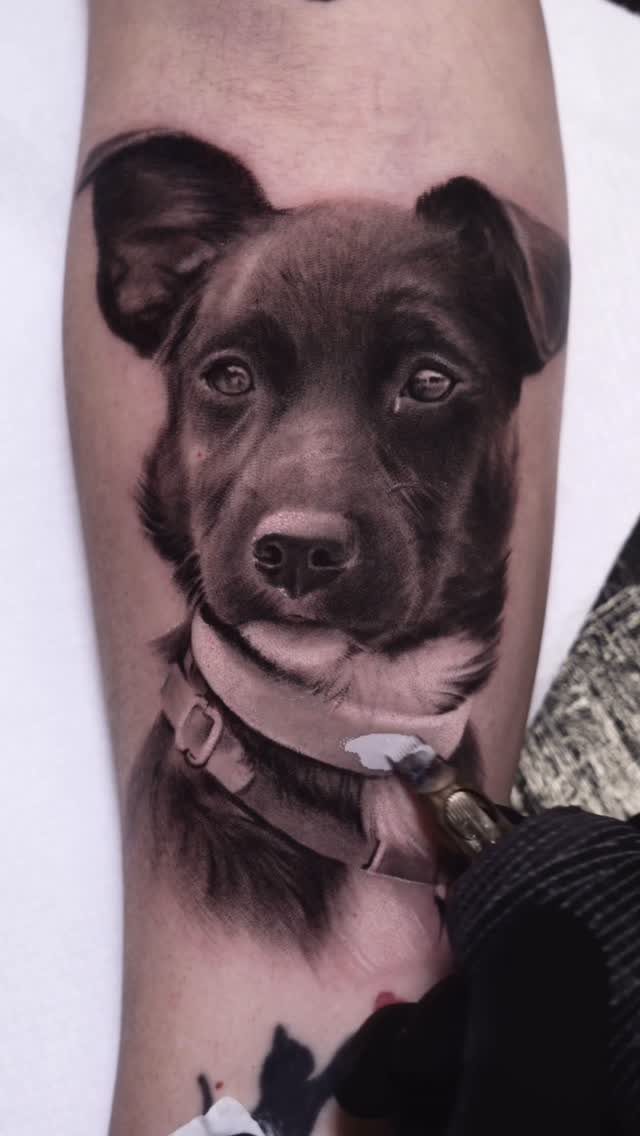
A single animal portrait on the inner forearm gives you a focal point without needing a full sleeve. Black and grey realism works well here because the soft shading translates cleanly on skin that doesn’t see much sun exposure.
Choose a reference photo with clear lighting and sharp details.
Blurry snapshots don’t give your artist enough to work with, and the tattoo will look flat. Most portrait work takes 3–5 hours depending on size, and touch-ups after healing help keep fine details crisp.
6. Inner Arm Tattoo Scripture
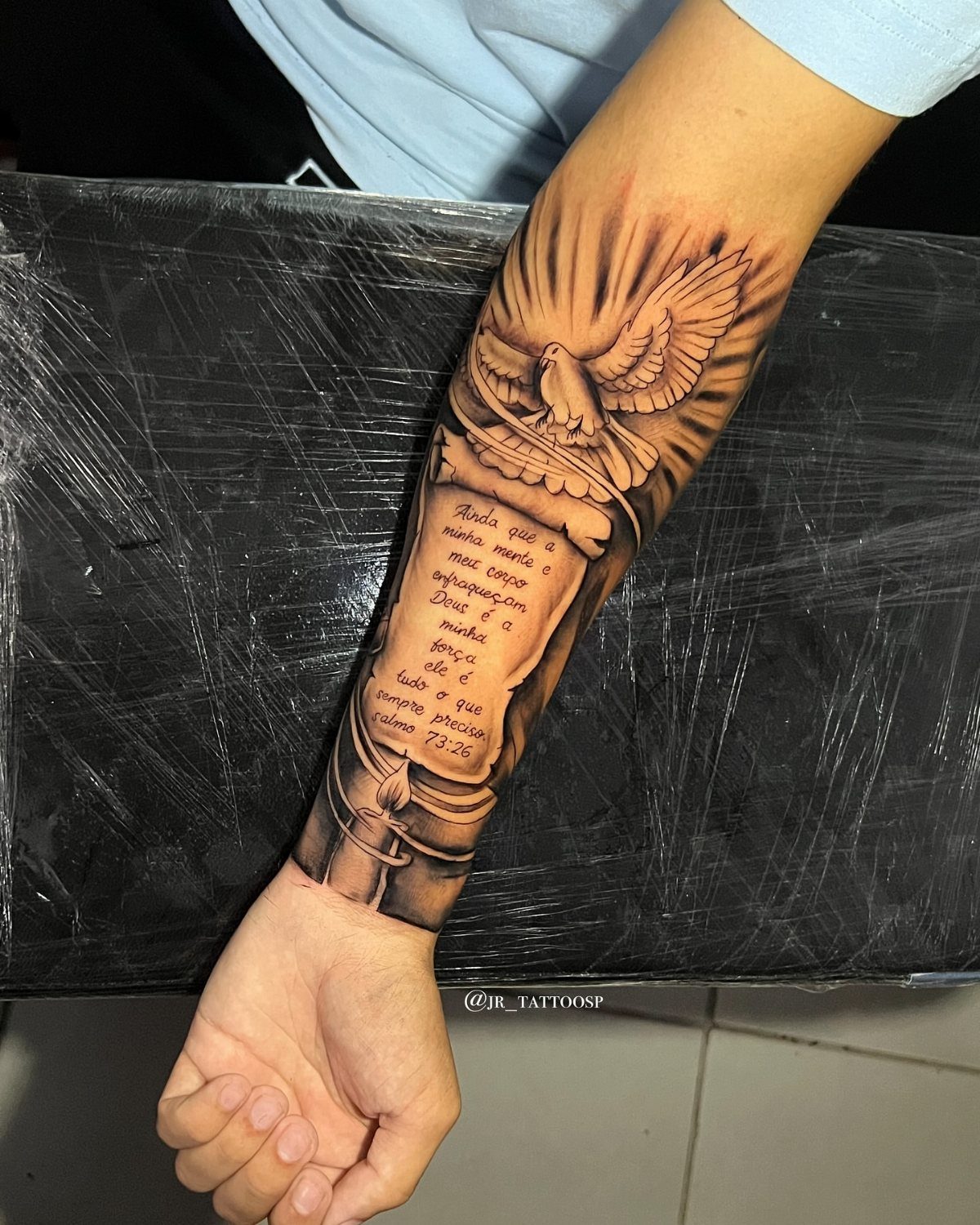
Scripture tattoos on the inner arm stay private until you choose to show them. The vertical space lets you fit a short verse or quote without shrinking the text too small.
Pair the scripture with a simple graphic like a dove or candle to anchor the composition. Text-only tattoos can look unfinished if the font doesn’t have enough weight.
Pick a typeface with clean lines and good spacing. Ornate scripts look appealing in theory but often blur together once healed, especially at smaller sizes.
7. Vibrant Color Floral Pieces
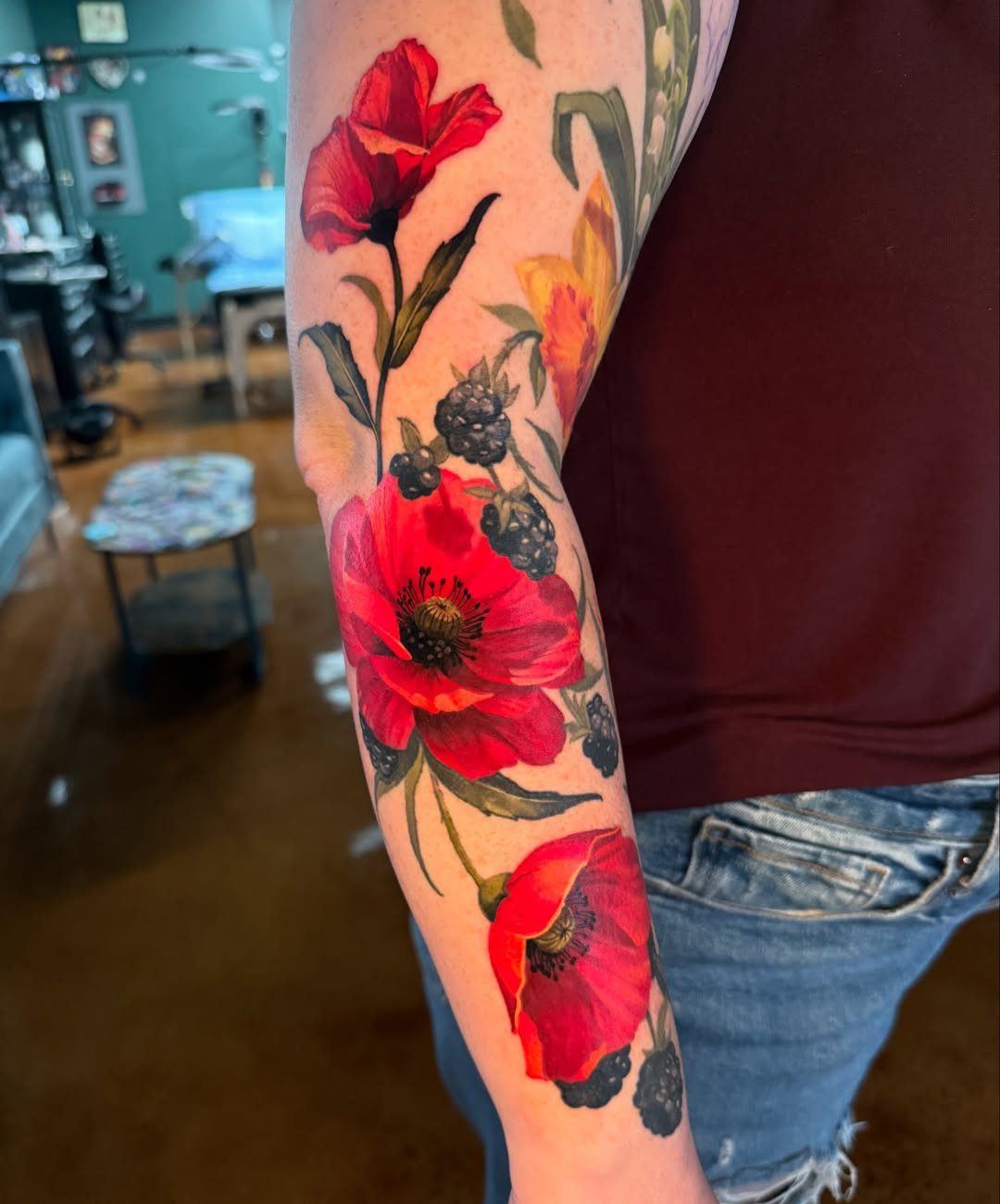
Color holds better on the inner arm than on areas that see constant sun. The petals and berries stay bright longer because the placement naturally stays covered most of the time.
Expect 2–3 sessions if you’re working with a lot of saturation. Bold reds and purples need more passes than pastels, and the inner arm can get tender after the first hour since the skin is thin.
Touch-ups every few years keep the colors true. Faded ink looks muddy, especially in florals where the contrast between petals matters.
8. Abstract Flowing Blackwork
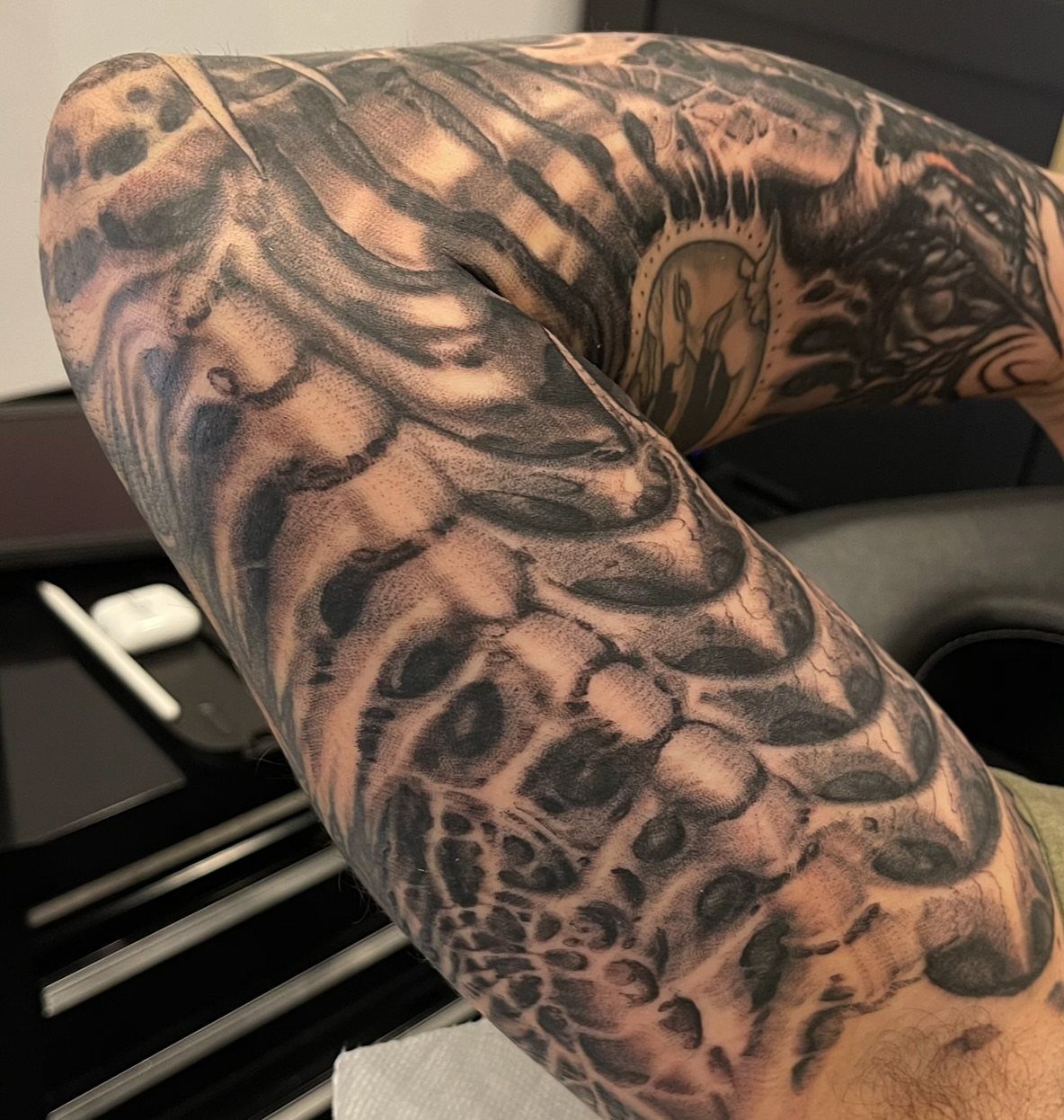
Blackwork reads well from a distance because the bold shapes don’t rely on fine detail. The flowing organic forms fill the inner arm without needing symmetry, so the design can wrap naturally around your limb.
This style covers old tattoos better than fine-line work. If you’re sitting on a piece you want gone, heavy black shading hides it completely.
Pain is higher than script or linework since you’re filling large areas with solid ink. Most pieces take longer or shorter depending on how much coverage you want.
9. Continuous Line Koi Pair
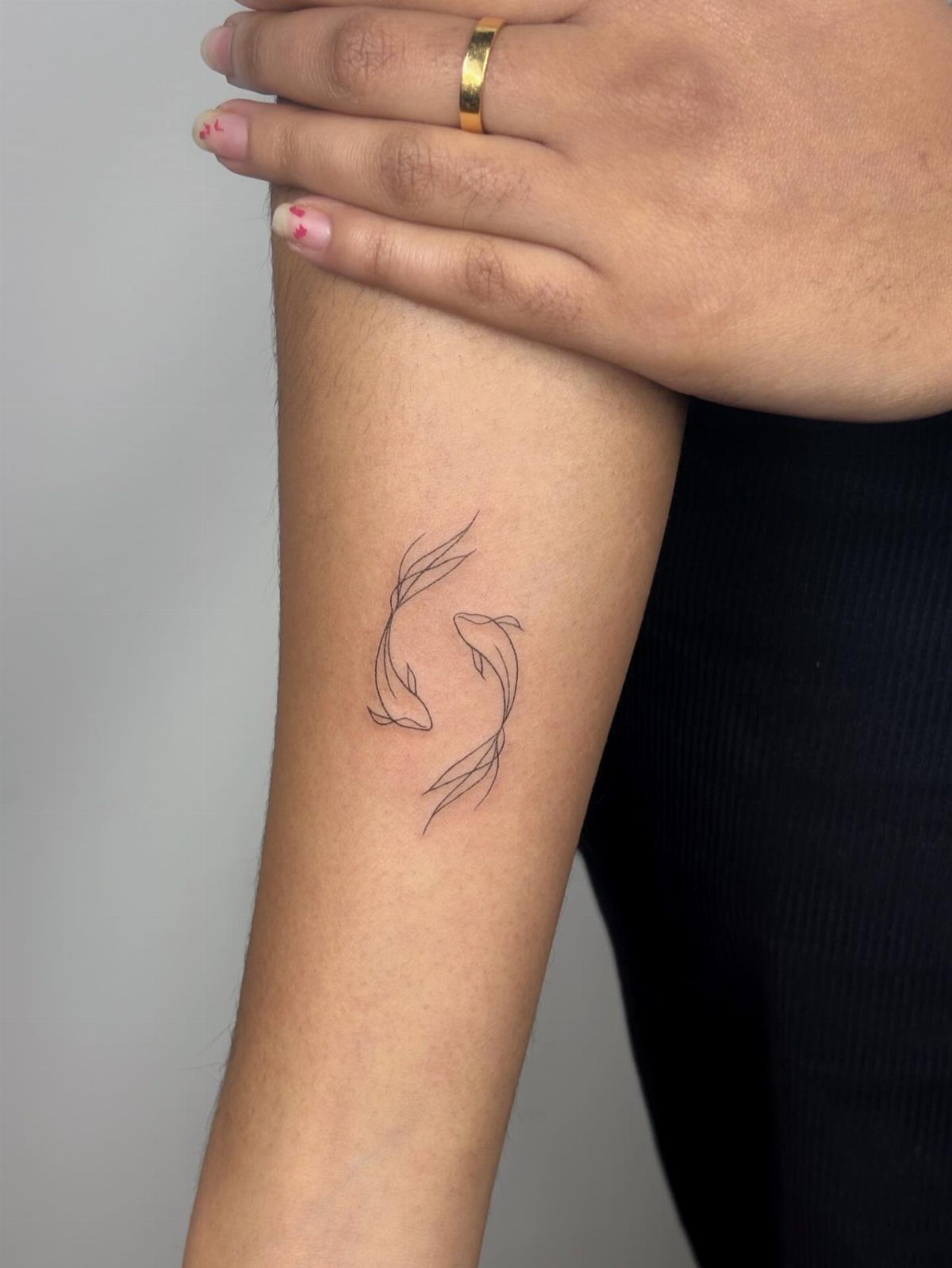
Single-line tattoos look clean, but the line has to stay consistent or the whole piece falls apart. A shaky hand shows up immediately, so choose an artist who works fast and steady.
Koi pairs work on the inner forearm because the circular composition fits the narrow space without wrapping awkwardly. The design stays balanced whether your arm is bent or straight.
This style ages well if the line is thick enough. Hair-thin lines blur within a few years, so ask for a weight that will hold.
Frequently Asked Questions
What is an arm sleeve tattoo?
An arm sleeve is a large tattoo that covers most or all of your upper arm, forearm, or the entire arm from shoulder to wrist.
It can be a single unified design or a collection of smaller pieces that connect visually. Sleeves need multiple sessions to finish, and the total chair time depends on how much detail and color you pack in.
How long do inner arm tattoos take to heal?
Surface healing takes 2–3 weeks, though the deeper layers continue remodeling for a couple of months. Loose sleeves and skipping heavy gym work for the first week help speed things along.
Will an inner arm tattoo fade quickly?
No, the inner arm is one of the slowest-fading placements because it gets very little direct sunlight. Fine lines and tiny details will soften eventually no matter where you put them, but sunscreen after healing keeps them clean.
How much does an inner arm tattoo cost?
Price depends on your artist’s hourly rate and how long the piece takes, not where you put it. Ask for an hourly rate and a session estimate at your consultation.





