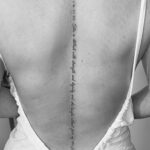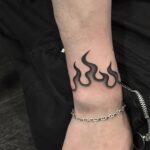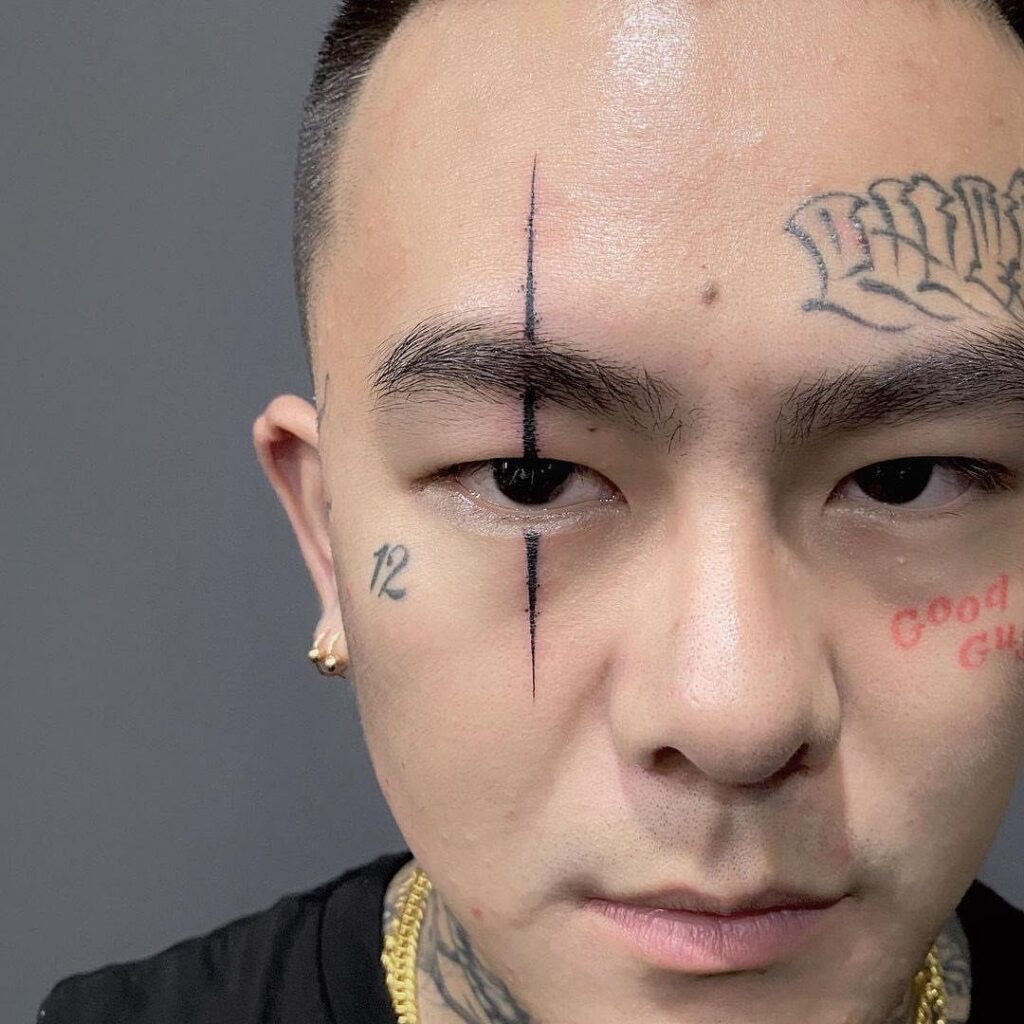
Face tattoos hurt more than most placements, typically landing between 8 and 10 on a pain scale, because the trigeminal nerve runs through your face and magnifies every pass of the needle.
1. Forehead Face Tattoos
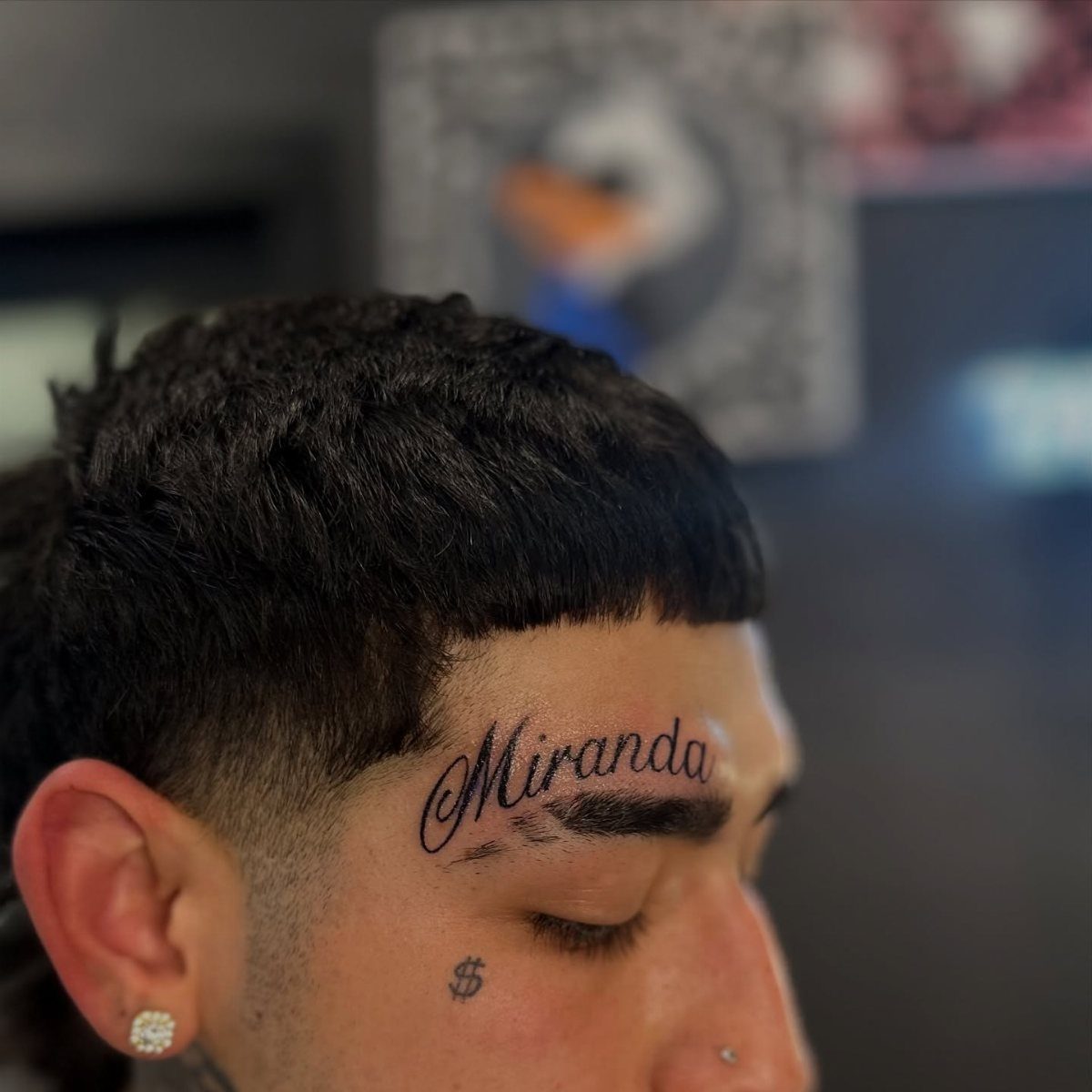
A forehead tattoo sits in one of the most visible spots you can choose, and that permanence is the point. The space above the brow fits script, symbols, or detailed linework that would crowd smaller areas.
Pain runs higher here since the skin sits close to bone with minimal padding underneath. Healing can take time, and you’ll need to manage swelling in a spot everyone will see while it settles.
This is where a design gets noticed first.
2. Small Cross Face Tattoo
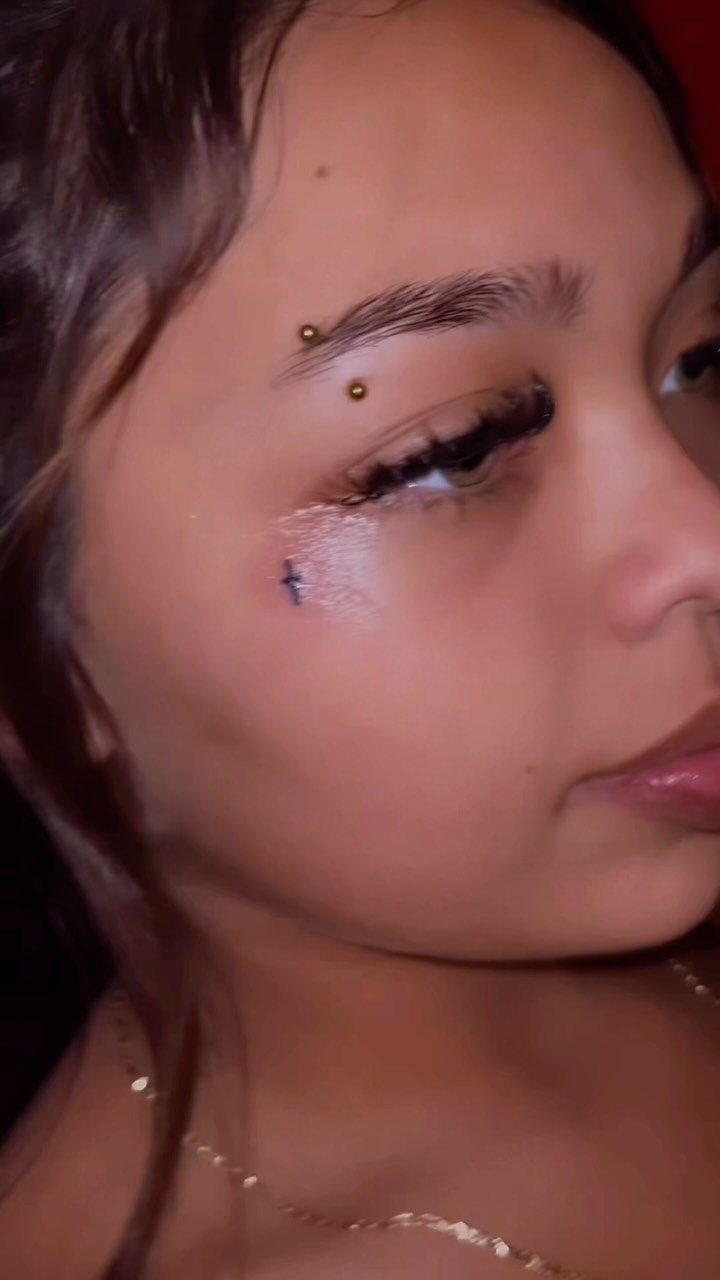
A small cross on the upper cheek reads clearly without taking over your face. The symbol carries religious meaning for many, though some wear it for the clean geometry alone.
Cheek tattoos lose sharpness faster than ink on other parts of the body because facial expressions stretch the skin constantly. You may need a touch-up periodically to keep the lines sharp.
The area swells after the session, and sleeping on that side will feel uncomfortable while it heals.
3. Red Heart Face Tattoo on Cheek
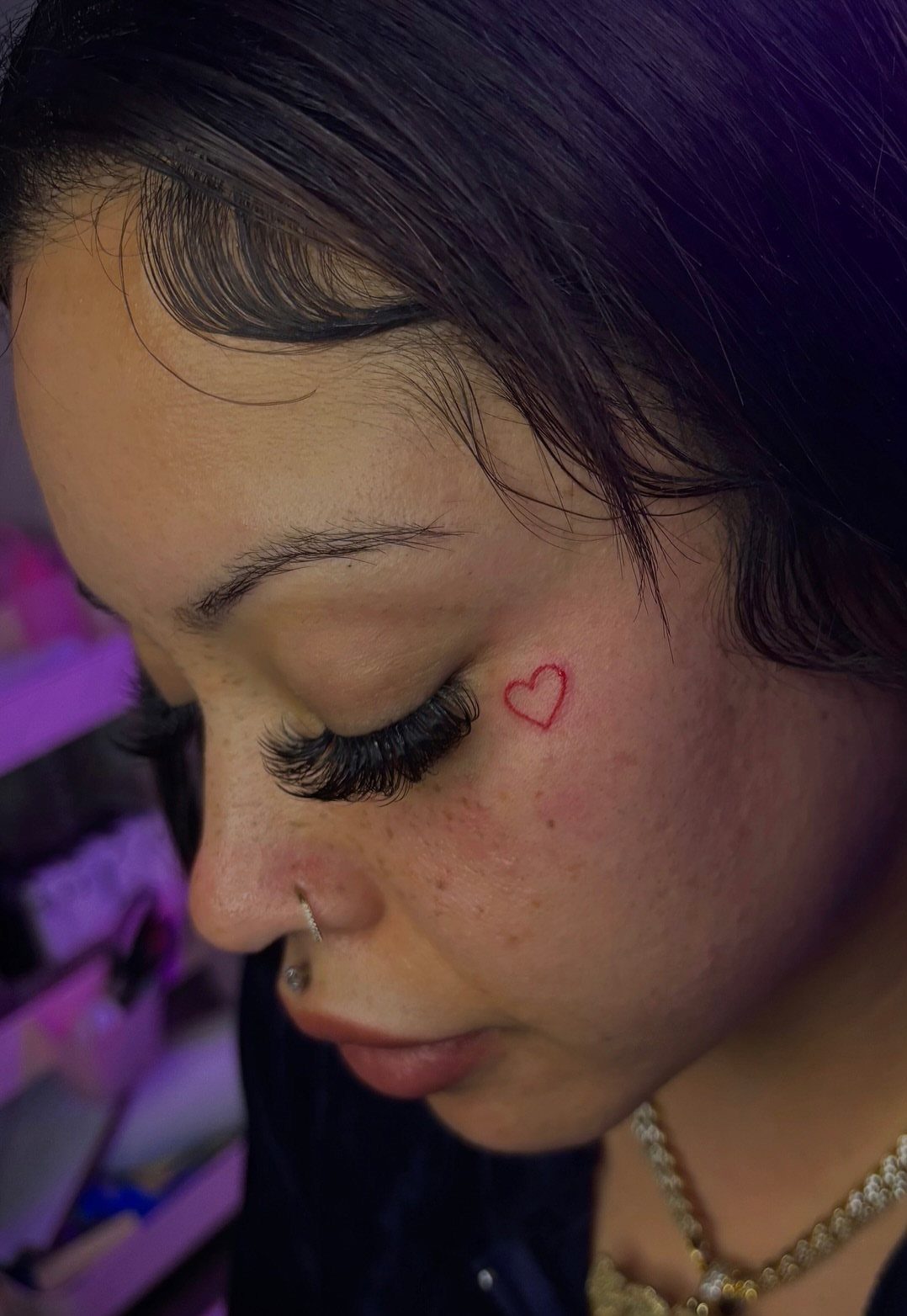
A red heart on the cheek gives you a pop of color in a spot that stays visible.
The shape is simple enough that it ages well, and the red holds longer than lighter shades that fade into skin tone over time.
Cheek tattoos hurt less than forehead or temple work since there’s more cushion between the needle and bone. Healing takes time, and you’ll see some puffiness in the beginning.
For something soft without going monochrome, this balances both.
4. Floral Face Tattoo
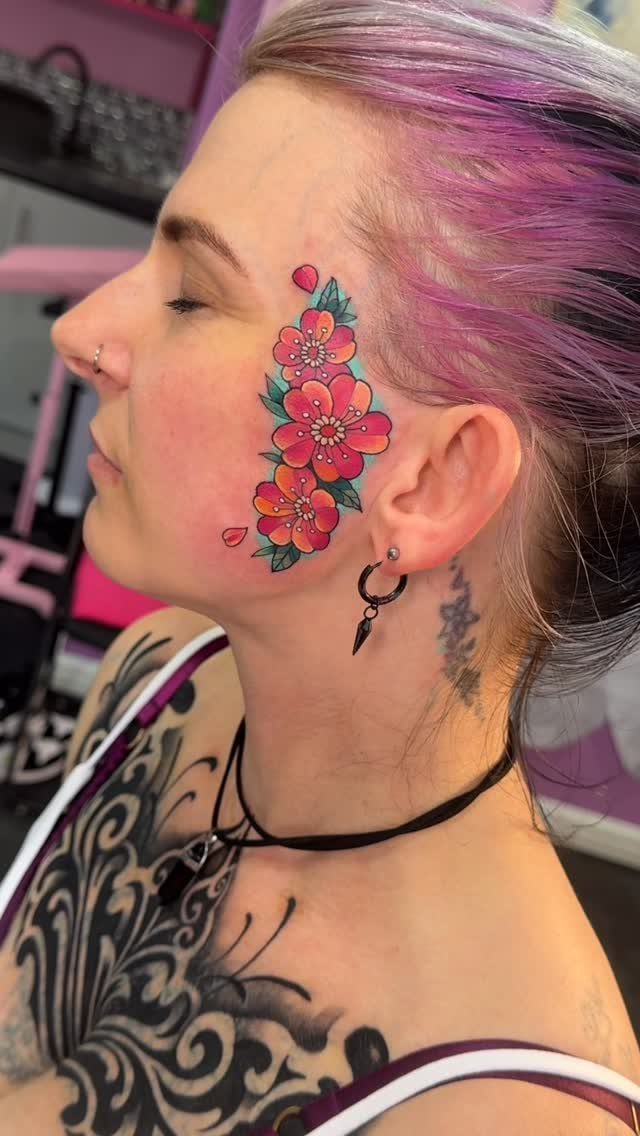
Floral tattoos on the face let you carry detailed petals, leaves, or stems in a spot most people reserve for smaller symbols.
The design wraps the curve of your cheek or follows the line toward your temple, and color brings the piece to life.
Facial skin fades ink faster than your arms or legs because it sees constant sun and movement. Regular touch-ups keep the colors bright and the edges clean.
Pain sits in the middle range, higher near the cheekbone where the needle meets bone. For something delicate that still makes a statement, this does it.
5. Inner Lip Face Tattoos
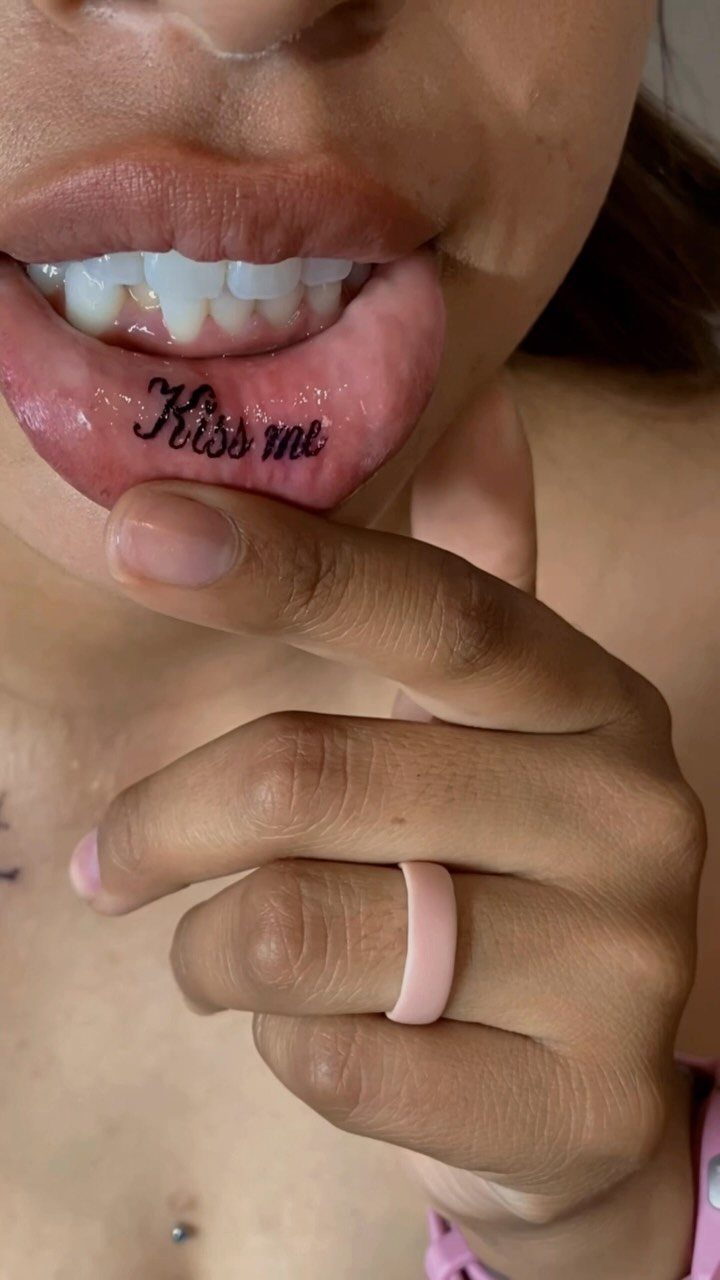
An inner lip tattoo stays hidden until you choose to show it. The design can be a word, a phrase, or a small symbol that fits the narrow space between your lip and gums.
Lip tattoos fade faster than any other placement because the tissue regenerates quickly and saliva breaks down the ink. Many people see theirs lighten over time, and some fade completely.
The session stings, but it’s over fast.
Eating and drinking feel strange for a few days while the area heals. If you want ink that stays private, this is the only face placement that gives you full control over who sees it.
6. Under Eye Face Tattoos
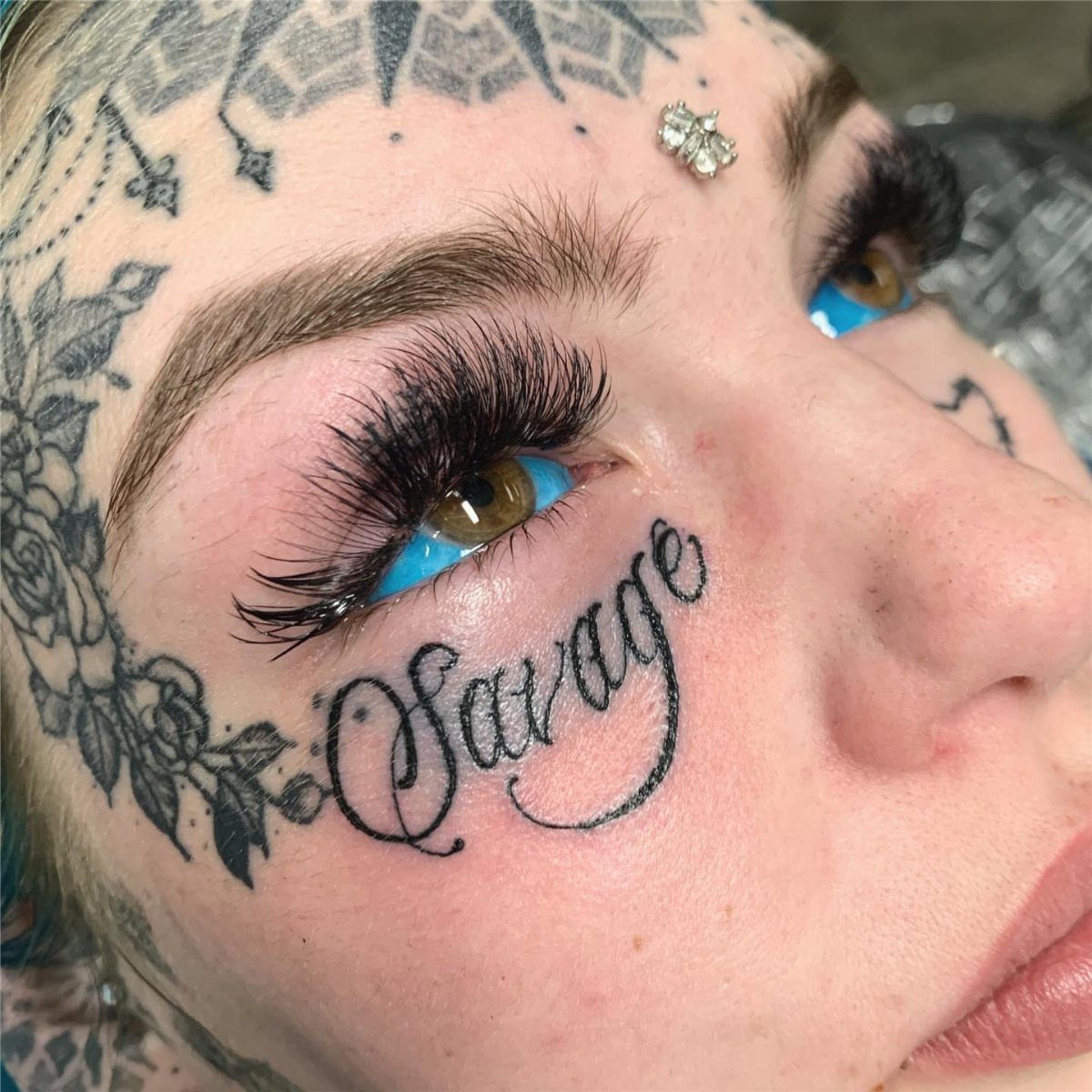
The skin under your eye gives you a tight canvas for script, dots, symbols, or short words that sit close to your cheekbone.
The spot reads boldly because it’s one of the first things people notice when they look at your face.
Swelling after the session can make your under-eye area puffy for several days, and you’ll need to sleep propped up to keep it from getting worse.
Ink in this spot fades faster than tattoos on thicker skin, so plan on touch-ups every few years to keep the lines crisp.
7. Side of Eye / Temple Face Tattoos
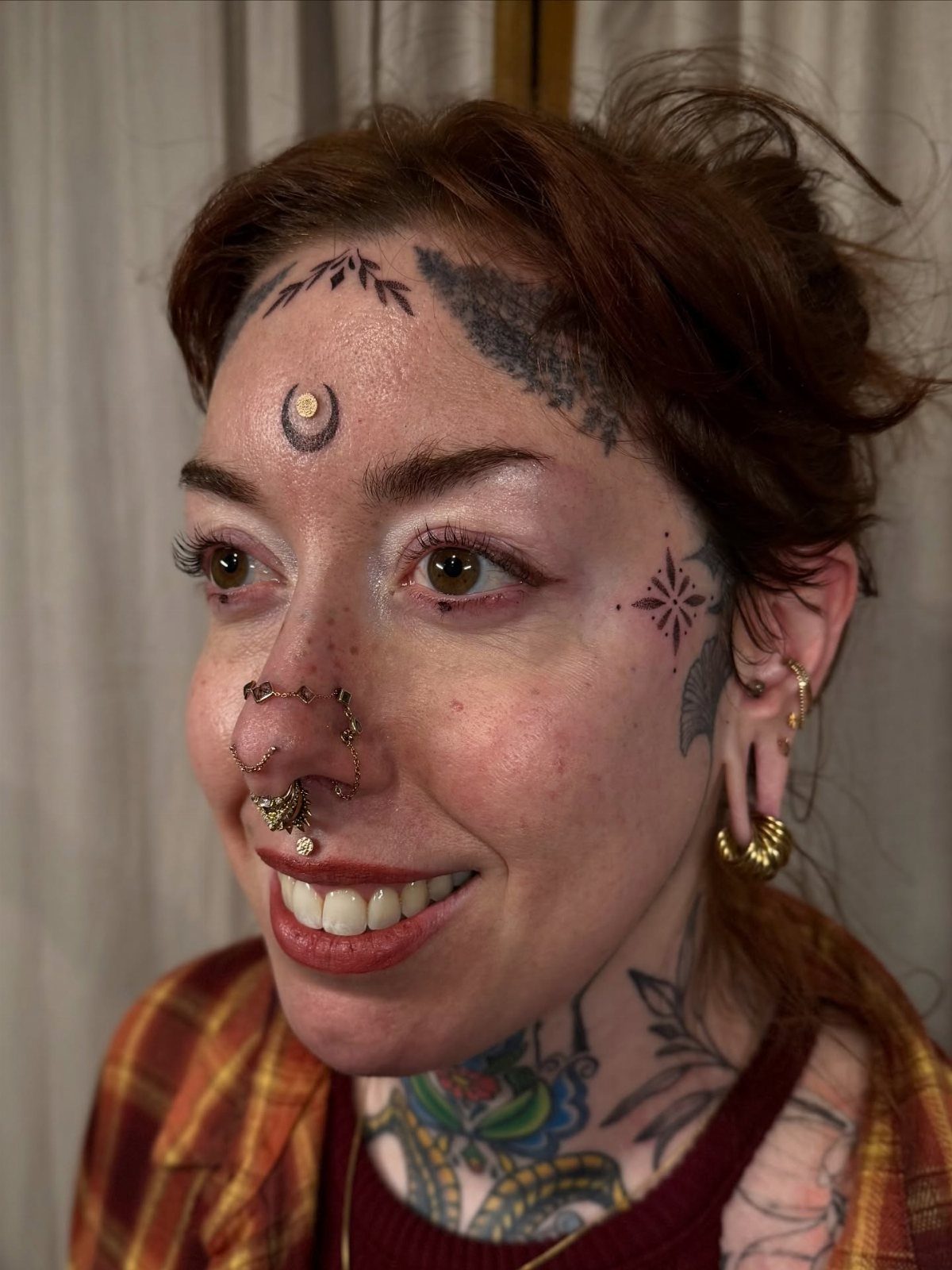
A tattoo at the temple or beside your eye follows the curve of your face and sits where your bone structure already draws attention. The spot holds short script, fine lines, or small symbols without needing much width.
The temple hurts more than most face placements since the skin sits thin over bone and the needle vibrates close to your skull. Swelling shows for several days, and you’ll feel it when you chew.
The thin skin means colors lighten with time, more so than spots with cushion underneath.
8. Geometric Face Tattoos
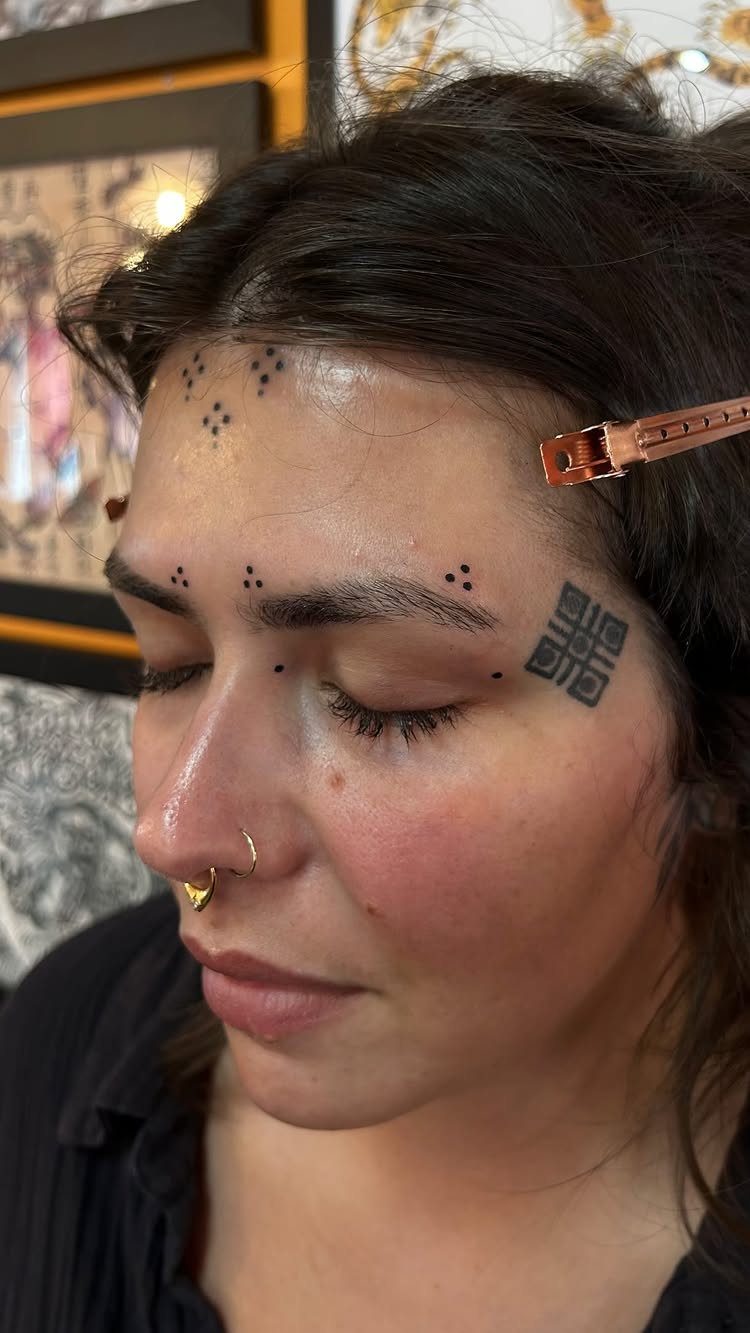
Geometric tattoos on the face use sharp lines, dots, and repeating patterns that work with the symmetry of your features.
The design can follow your forehead, wrap the temple, or frame your brow with angles that stay clean when done well.
Facial movement stretches the skin constantly, so straight lines soften over time and may need periodic touch-ups to stay crisp.
If you want something structured that reads clearly, this balances design with placement.
9. Tribal Face Tattoo

Tribal tattoos on the face carry bold black lines, patterns, and curves rooted in specific cultures and histories. The design wraps your jawline, temple, or cheek with shapes that hold meaning for the wearer and connect to ancestry.
These tattoos demand commitment since they cover visible skin with dense black ink that’s difficult to remove or cover later. The face also fades ink faster than other areas, so you may need touch-ups to maintain the depth.
Pain varies by placement, higher near the bone and lower where there’s cushion.
10. Small Butterfly Face Tattoo Near Eye
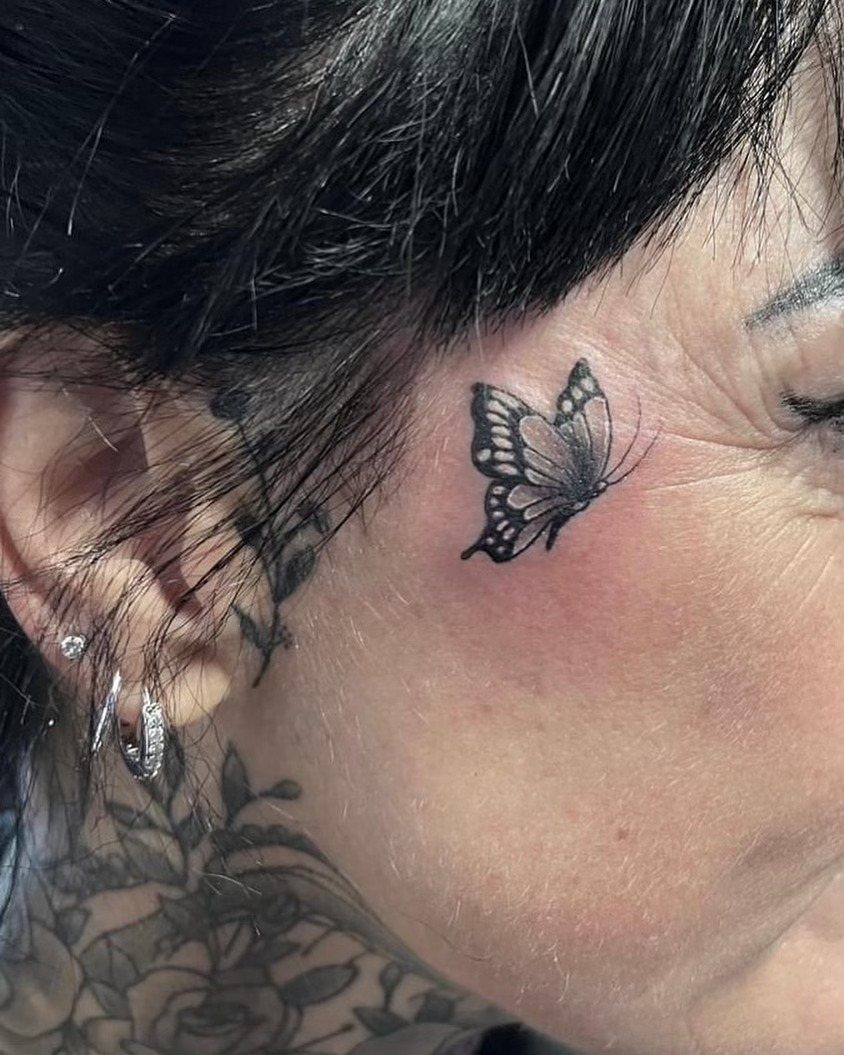
A small butterfly near the eye gives you a soft, recognizable shape in a spot that gets noticed without demanding much space.
The design fits close to your cheekbone or at the corner of your eye, and black ink keeps it readable as it ages.
Swelling shows up quickly after the session and lasts a few days. The area sits close to your eye, so you’ll need to keep it clean while it heals.
11. Eyelid Star Face Tattoos
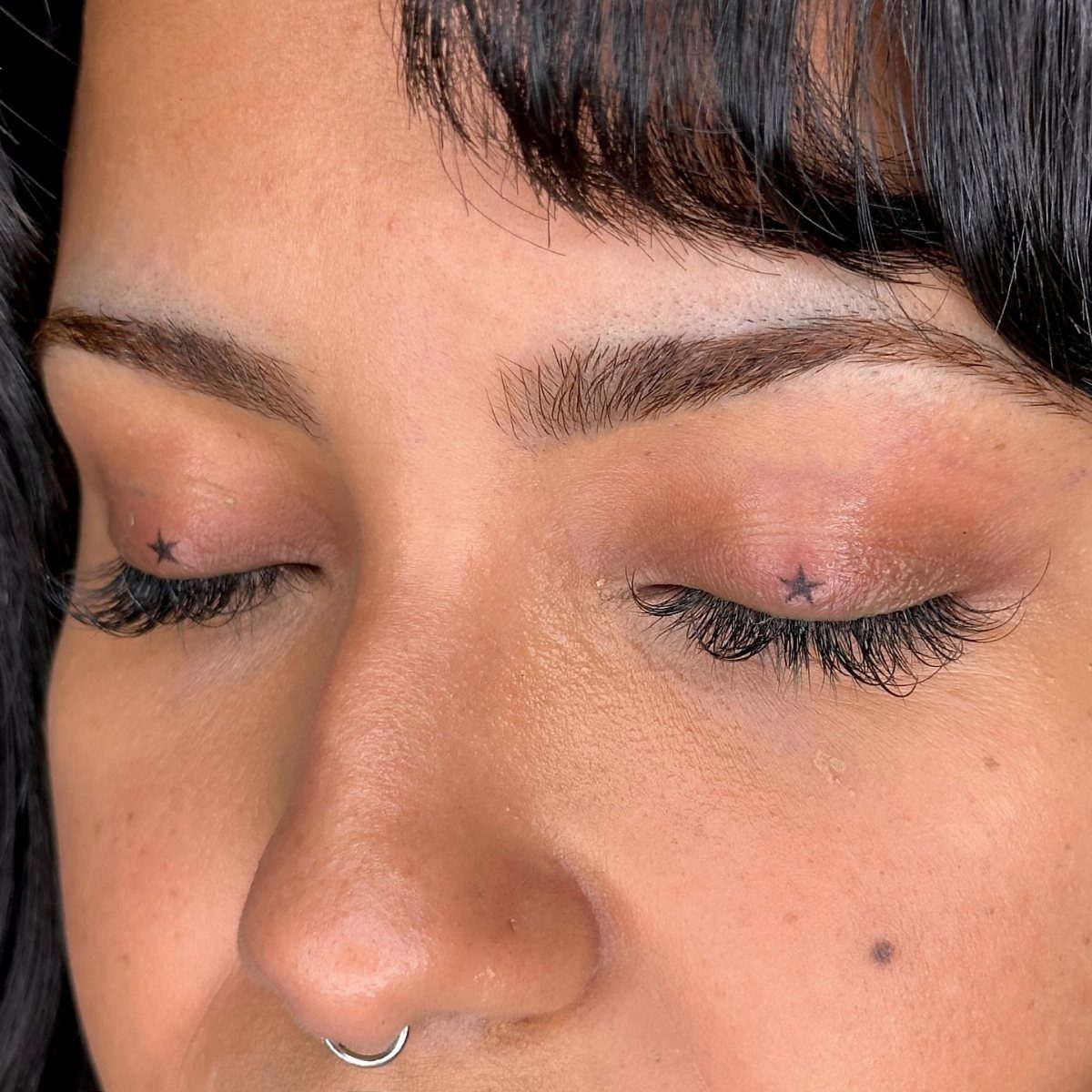
Eyelid tattoos sit on skin that barely anyone sees unless your eyes are closed. The design needs to be small and simple since the space is narrow and the skin moves constantly.
This placement hurts more than most face tattoos because the needle works on thin, sensitive skin stretched over soft tissue. Swelling makes your lids puffy for days, and you’ll need to avoid rubbing or touching them while they heal.
The ink fades quickly here, and touch-ups are part of the deal.
12. Chin Line Tattoo
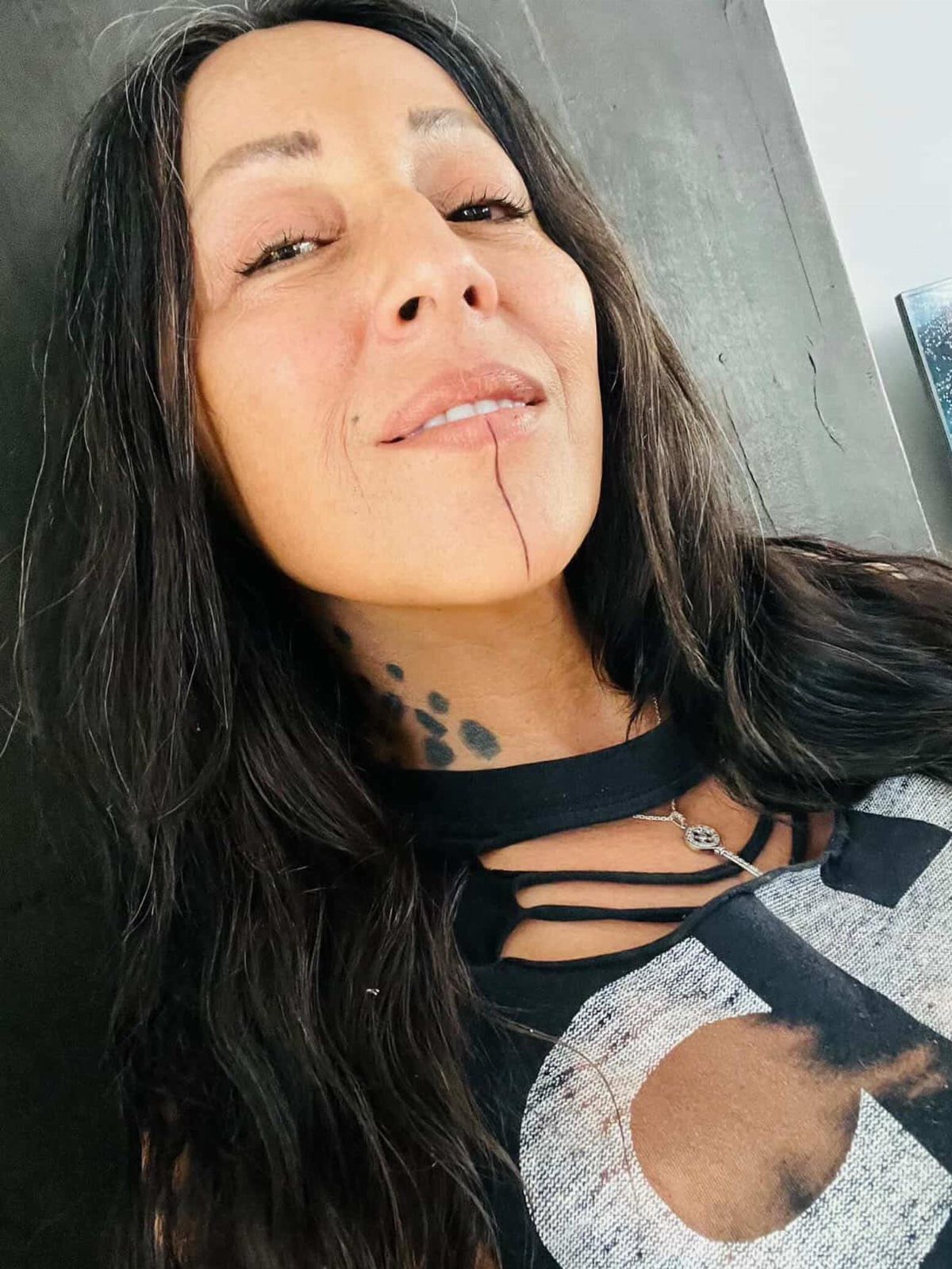
A vertical line down the center of your chin gives you a bold, minimal mark that follows the natural symmetry of your face.
The design stays simple, usually a single solid line or a row of dots that runs from your lower lip to the tip of your chin.
The area heals relatively fast, though you’ll feel it when you talk or eat for the first few days.
The line stays visible and reads clearly, even from a distance.
Pain and Healing
Face tattoos rank among the most painful placements you can choose, typically landing between 8 and 10 on a pain scale.
The trigeminal nerve runs through most of your face and magnifies every pass of the needle, especially near the jaw, forehead and cheekbone.
The top layer of skin closes up in 2 to 3 weeks, and swelling usually hits its worst point around day 2.
Everyone will see the peeling stage, and you’ll have to avoid makeup and harsh cleansers for at least 2 weeks while the tattoo heals.
Placement Considerations
The temple follows the bone ridge where the skull curves back toward the hairline, and that thin skin works well for geometric lines and lettering that track the contour.
People who choose this spot tend to lean into its spiritual weight and the fact that it reads as a deliberate creative decision.
The cheekbone offers more cushion, which lowers pain slightly and gives you room for designs that need width. Both spots stay visible in most situations, so visibility becomes part of the decision rather than something to work around.
Most people forget that the temple shifts every time you chew, talk or tense your jaw.
That constant motion can distort a design over time if your artist doesn’t account for muscle movement during placement. Ask how they plan to position the tattoo so it holds its shape when your face is in motion.
Cultural Significance
Many indigenous cultures have used face tattoos for centuries to mark rank, coming-of-age ceremonies and spiritual identity.
The placement itself held meaning, not just the design, and wearing ink on your face signaled something about who you were within your community.
In contemporary settings, most people choose face tattoos for self-expression, individuality, or the aesthetics of the design itself.
The cultural weight still exists for those who connect their ink to ancestry or tradition, but the broader shift toward acceptance has opened the choice to anyone willing to commit.
Face tattoos no longer carry the criminal or outsider stigma they did in the 1990s and early 2000s, though perception still varies widely depending on your profession and location.
Social media accelerated that shift, making face tattoos far more common than they were 20 years ago.
First and foremost, tattoo acceptance has come a long way since the 1990s and early 2000s—making it possible for more people to commit to visible ink. No longer are tattoos thought to be association with crime or delinquency, but they’re gaining mainstream acceptance.
Frequently Asked Questions
What are some good face tattoos that actually look good?
Geometric face tattoos work well because they match the natural symmetry of your features and stay readable over time. A tiny cross, heart or butterfly close to your eye or cheekbone stays readable without taking over your whole face.
Script at the temple or forehead fits the bone structure cleanly, and tribal patterns along the jawline or cheek carry bold black lines that hold up as the ink ages.
Is a face tattoo a good idea?
They’re a permanent choice in the one place nobody misses, and you’ll answer questions about it through every stage of healing.
The placement fades ink faster than other parts of your body because of constant sun exposure and facial movement, so you’ll need periodic touch-ups to keep the design sharp.
If you’re ready for permanent visibility and willing to manage the pain and healing process, the choice comes down to how much that commitment matches what you want.
Is a face tattoo a red flag?
Perception still varies widely depending on your profession and location, though face tattoos no longer carry the criminal or outsider stigma they did 20 years ago.
Instagram and TikTok brought them into the mainstream, so plenty of people get them now just because they want to, not to signal anything in particular.
In some professional settings they may still be viewed negatively, so the choice depends on how visible ink fits your work and daily life.