Geometric shapes and bold blackwork sit at opposite ends of the technical scale, but both suit men who want a design that holds its clarity as skin ages.
The single thing that decides which sketch is yours: how much coverage you want and where you plan to put it.
A minimalist linework design fits the wrist with a few strokes, while a full blackwork sleeve covers the arm in solid ink and takes multiple sessions to complete.
1. Geometric Tattoos
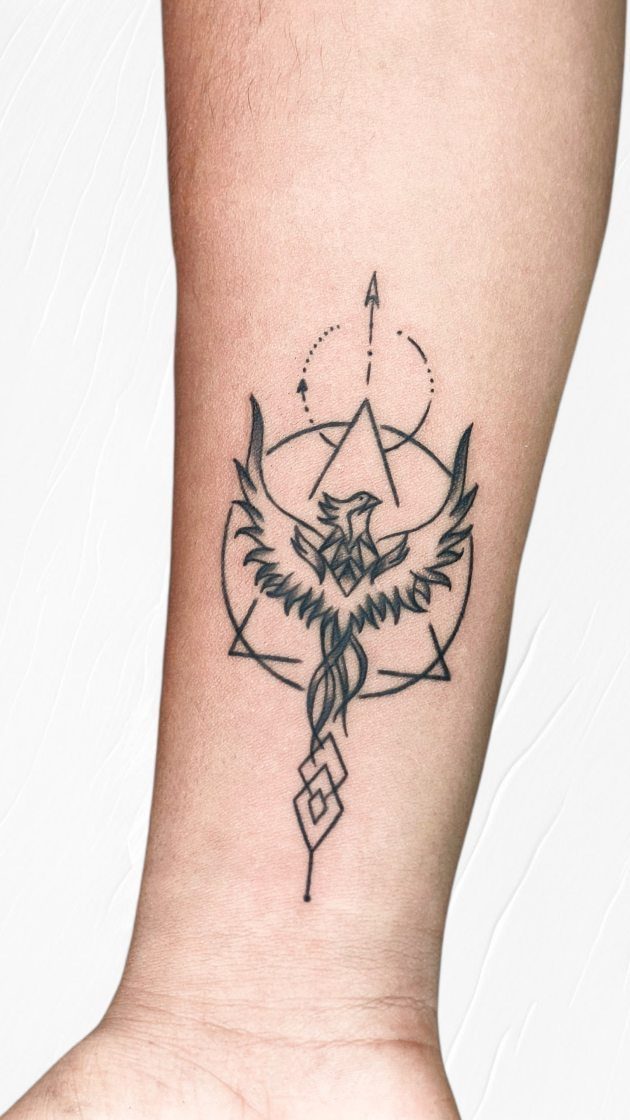
Geometric tattoos rely on clean lines and repeating shapes to build something balanced and technical. The phoenix inside a circle and triangle pulls from sacred geometry, where each shape carries meaning: circles for cycles, triangles for balance or direction.
Placement matters here. You get a long canvas that shows the full structure without breaking up the lines.
Chest, upper arm and calf work the same way. A geometric design stays readable because the shapes hold their form as the skin ages.
Straight lines take precision, so look for someone who works clean.
2. Minimalist Tattoos
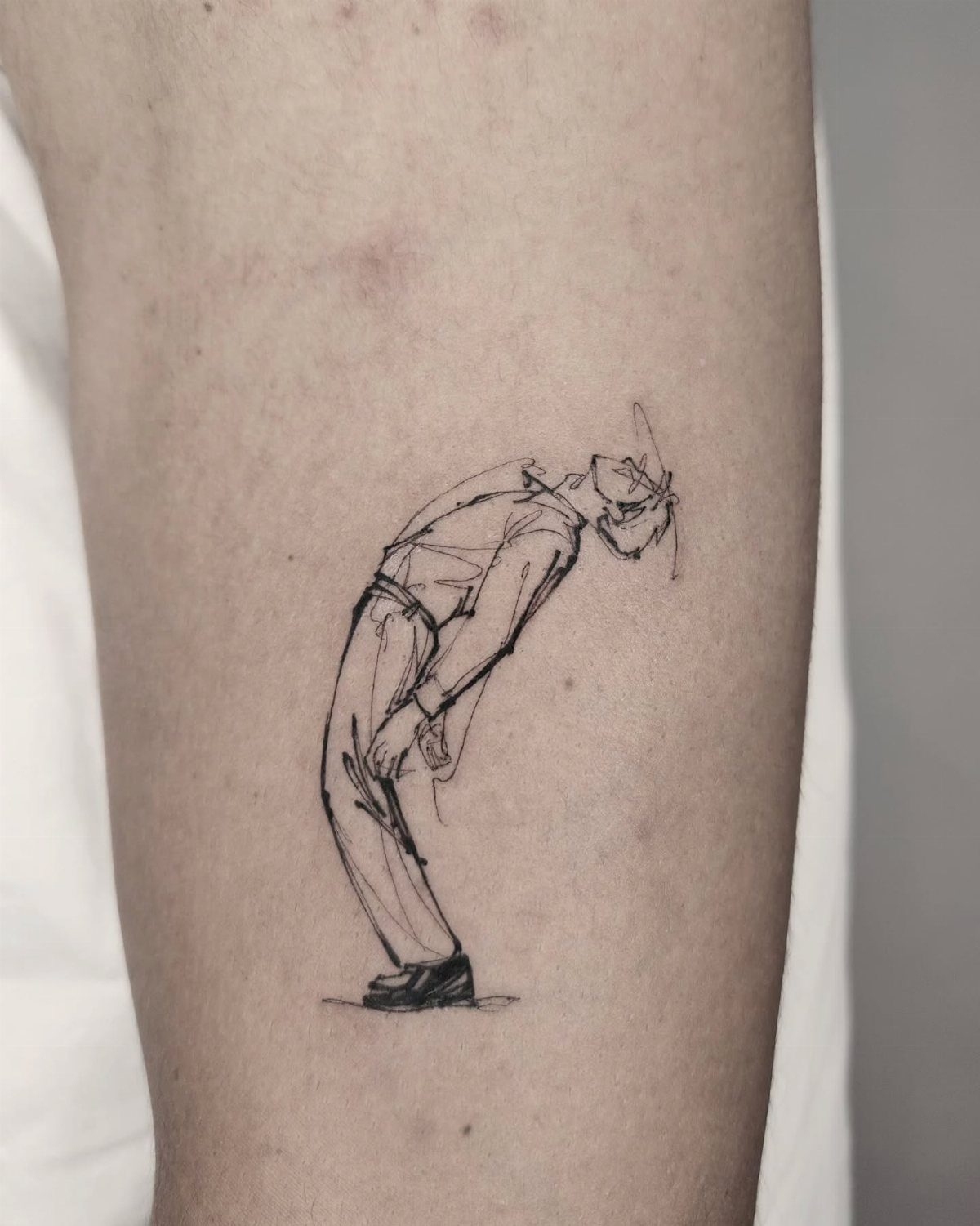
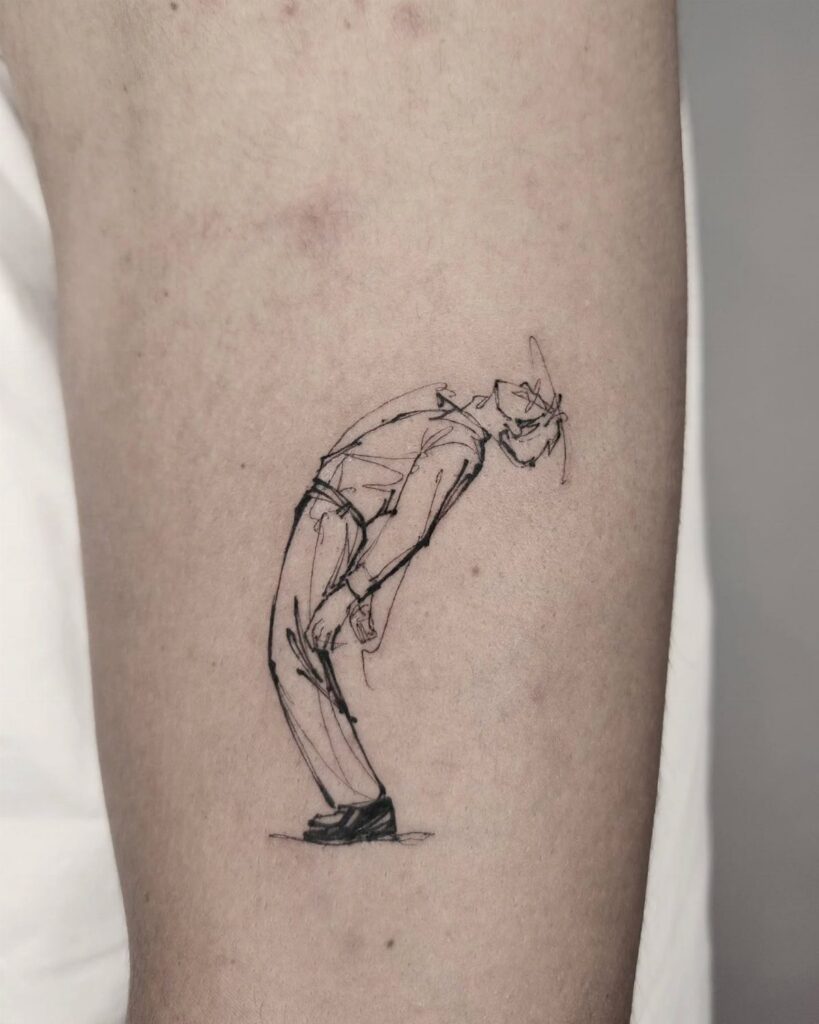
Minimalist tattoos strip the design down to what is necessary. A bowing figure like this one uses a few lines to suggest posture, weight and gesture, no shading needed.
These work best on small, flat areas: forearm, wrist, ankle or behind the ear.
Thin lines drop their sharpness sooner than bold ones, so talk through line weight before you start. A slightly thicker line holds its sharpness longer without sacrificing the clean look.
Minimalist tattoo sketches suit anyone who wants something personal without covering a large area or building toward a sleeve.
3. Blackwork
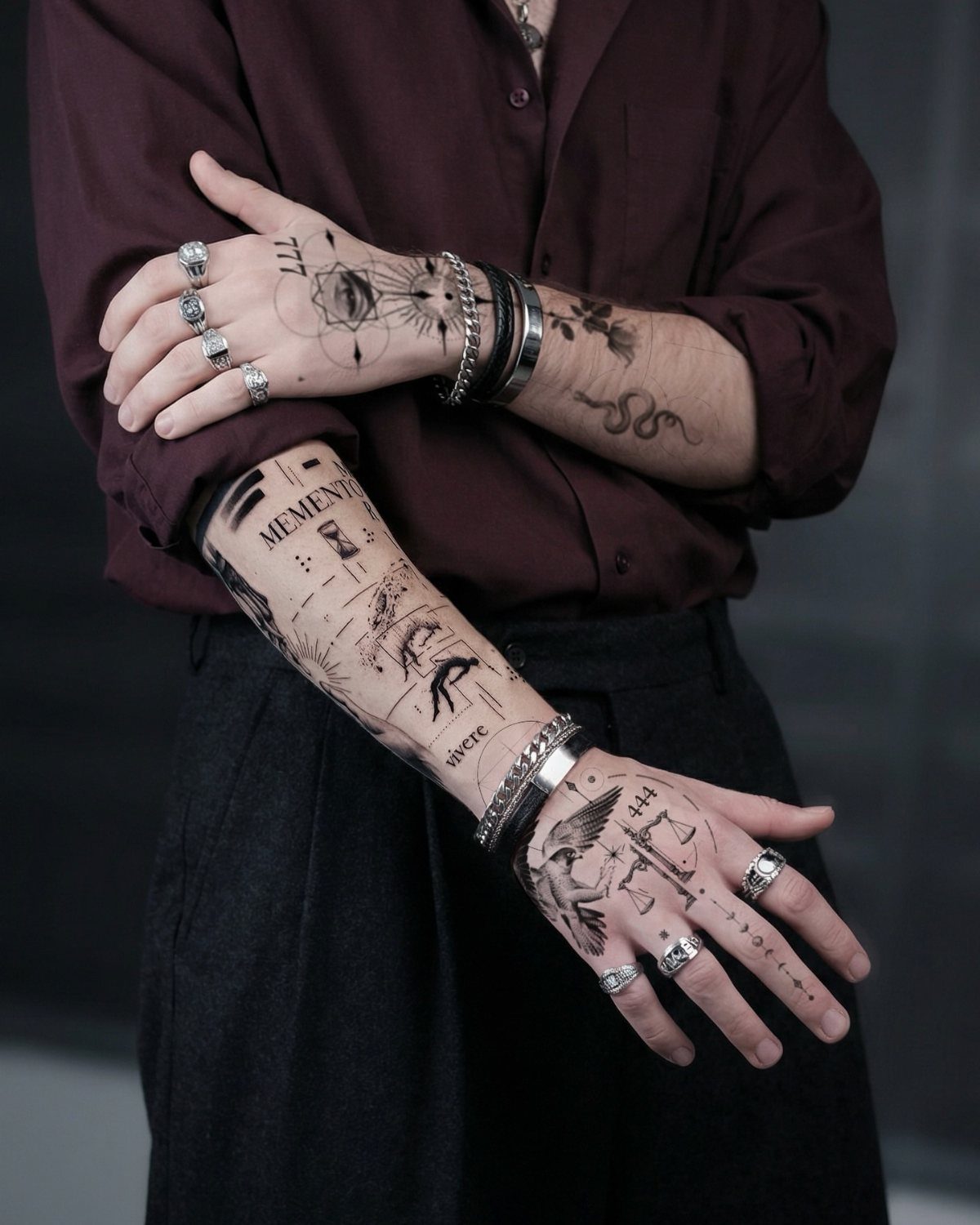
Blackwork covers large areas with solid black ink, often filling entire sleeves, hands or torsos.
Black ink lasts longer than color because it sits deeper and holds its tone through the years. Sessions are shorter than color work since there is no shading or blending, just solid fill.
Hands and fingers are high-visibility placements.
Some professions still restrict visible tattoos, so consider where you work before covering your hands. Once you go this bold, covering it later is difficult.
4. Tribal Tattoos
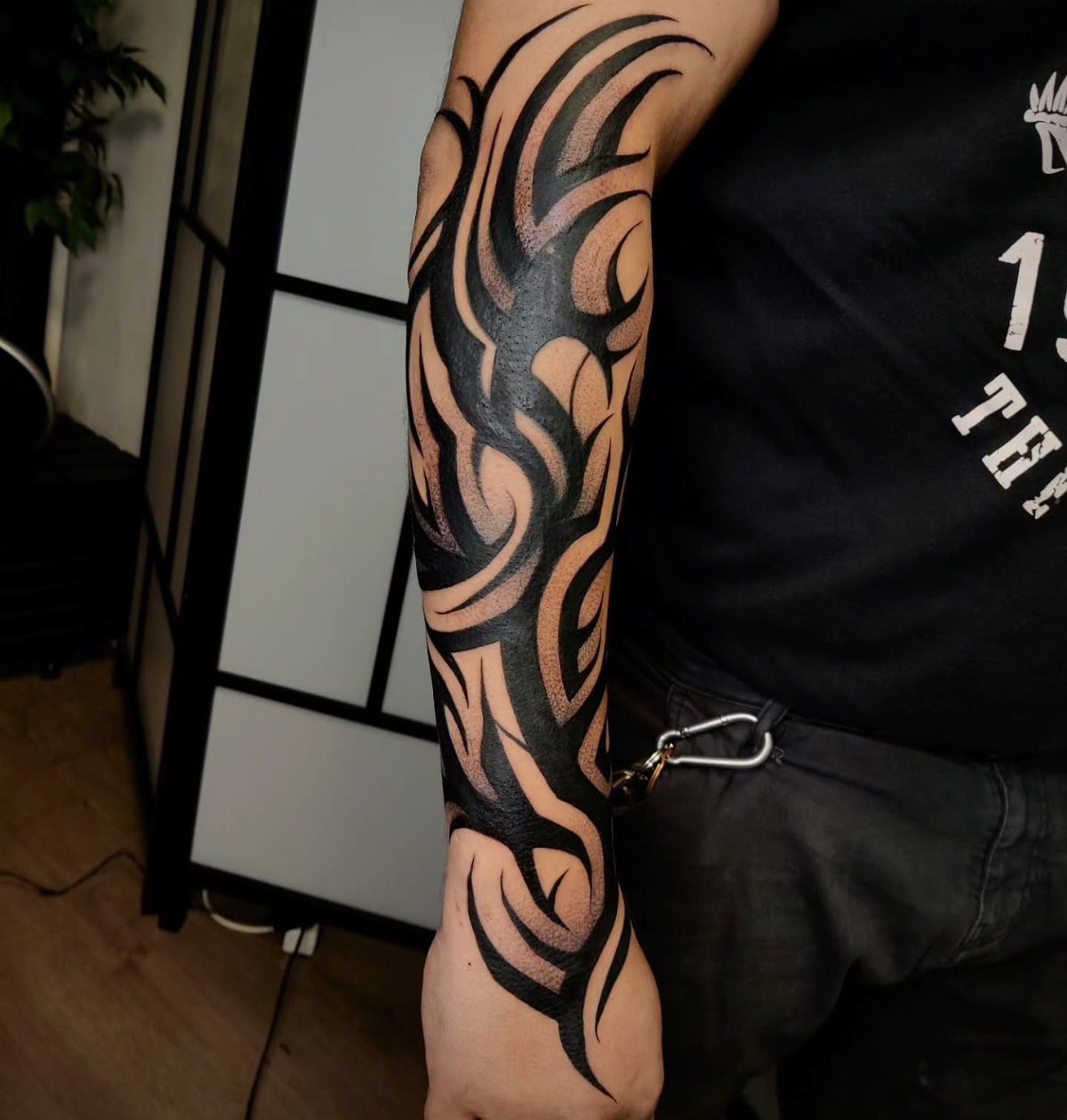
Tribal tattoos build their contrast with heavy black linework and symmetrical curves. The pattern here wraps the forearm with interlocking shapes that follow the muscle.
These designs come from Polynesian, Maori and other indigenous traditions, each with specific symbols. If you are pulling from a culture that is not yours, understand what the symbols mean before you wear them.
The forearm is a natural fit because the design can follow the curve of the arm.
Upper arm, shoulder and chest work well too. Heavy lines hold up over decades, so tribal pieces outlast fine detail.
5. Wolf Tattoo
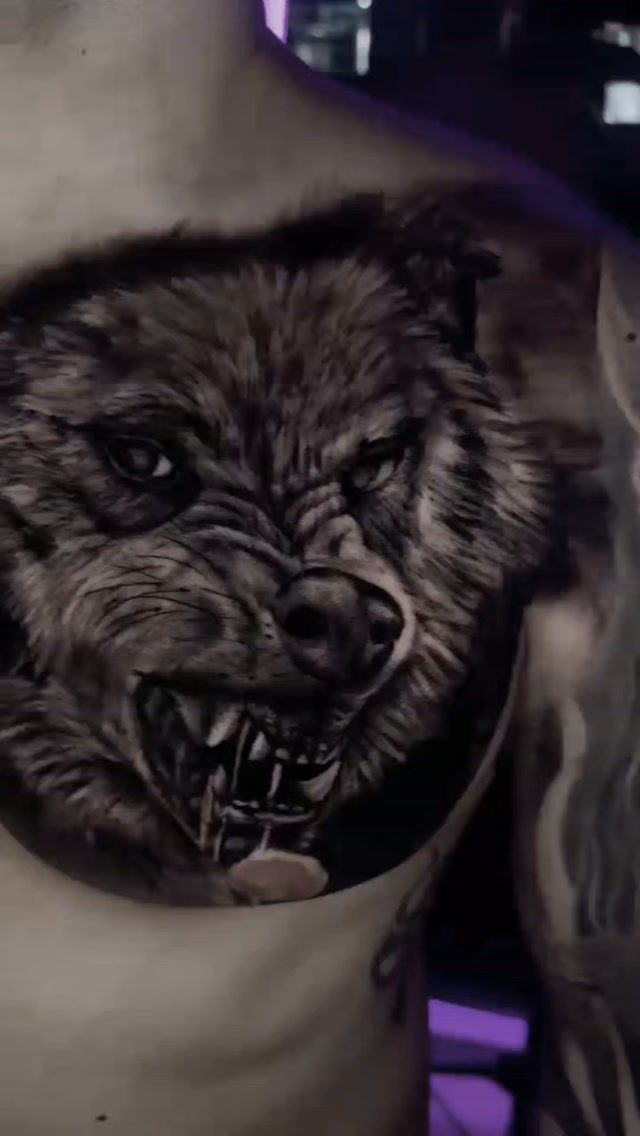
A wolf tattoo in realism style captures the animal mid-snarl, with detailed fur texture and shading that gives depth. The chest placement centers the design and takes advantage of the flat surface.
Wolves represent loyalty, protection and independence, themes that resonate with men who value those traits.
Realism takes skill, so choose an artist with a strong portfolio in animal work. Poor shading or anatomy ruins the piece.
Chest tattoos hurt more than arms or legs because the skin sits close to bone. Realism fades over time, especially in areas with high sun exposure, so aftercare matters.
6. Script Tattoos
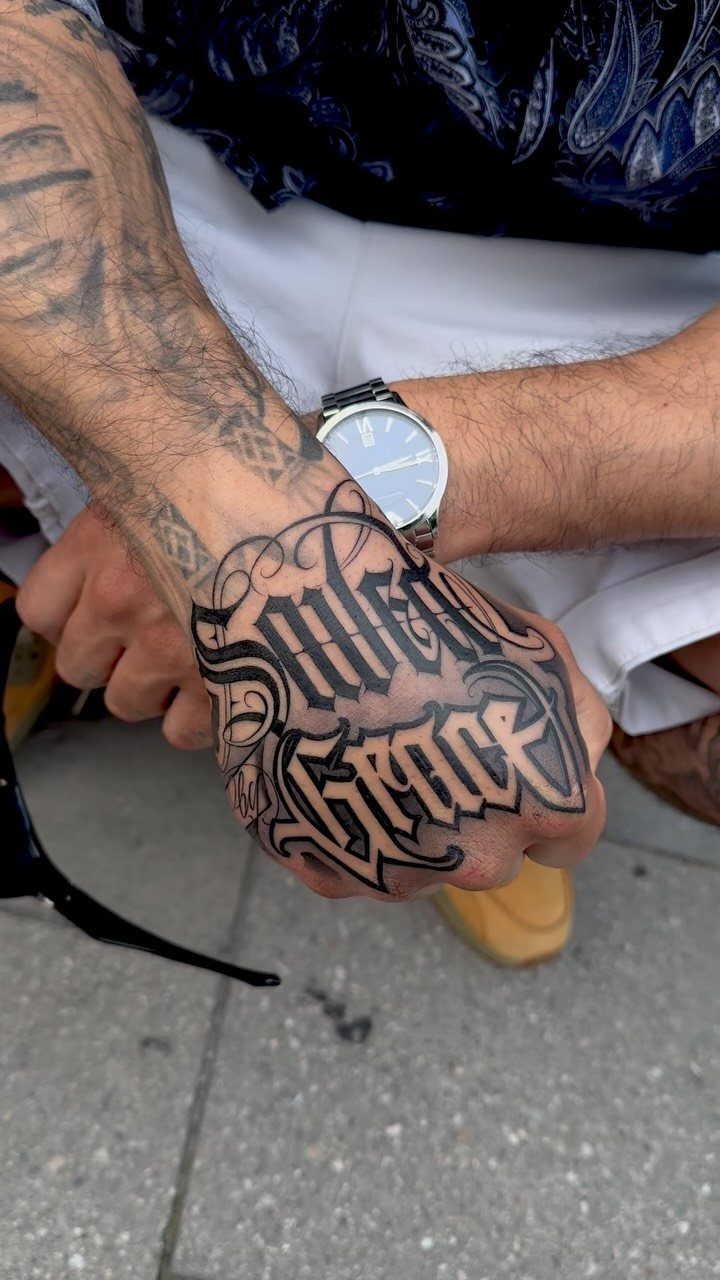
Script tattoos put words directly on the skin, usually a quote, name or phrase that carries personal weight. This one runs across the back of the hand in a bold serif font.
Font choice changes how the tattoo reads. Serif fonts like this one look formal and traditional.
Sans-serif and script styles read differently. Test the font at the size you want before committing, since small text blurs over time.
Hands fade faster than most placements because the skin is thin and constantly exposed.
Touch-ups every few years keep the letters sharp. Script works on forearms, ribs and chest too, where the canvas is larger and the text holds better.
7. Angel Tattoo
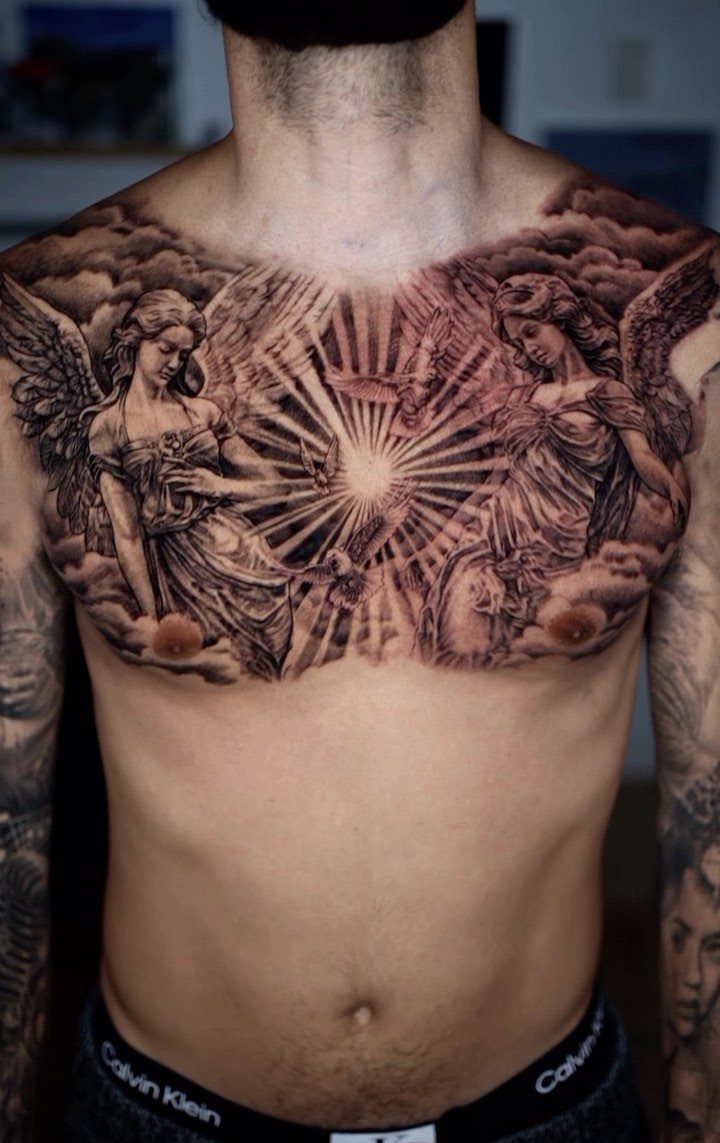
Angel tattoos in black and grey lean on shading to build dimension and drama. The chest gives you enough space to show wings, posture and the light breaking through clouds without cramping the design.
Angels carry themes of protection, guidance and spirituality.
Realism demands an artist who can render feathers, fabric folds and depth convincingly. Weak contrast will leave the wings looking muddy.
Chest work takes time and hurts more than limbs, but the placement keeps the design intact and visible when you want it seen.
8. Celtic Tattoos
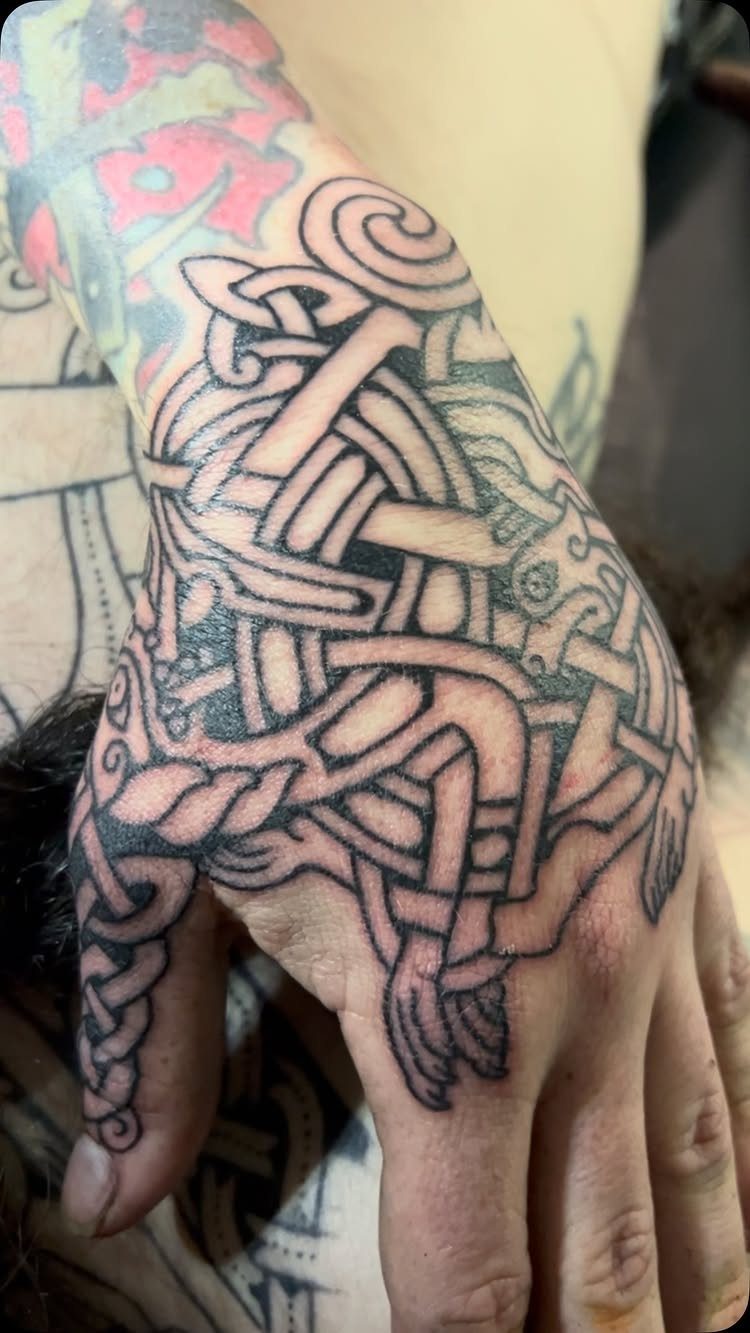
Celtic knots are continuous, interlocking lines with no start or end, a pattern built to represent eternity and connection. The hand and wrist placement puts the design in constant view.
Palm skin turns over fast and scrapes constantly, so lines blur sooner there. Bold line weight helps the pattern last longer than fine detail.
The same knots and crosses hold up well on forearms and shoulders, where you get more room and the skin stays steadier.
9. Nature-Inspired Tattoos
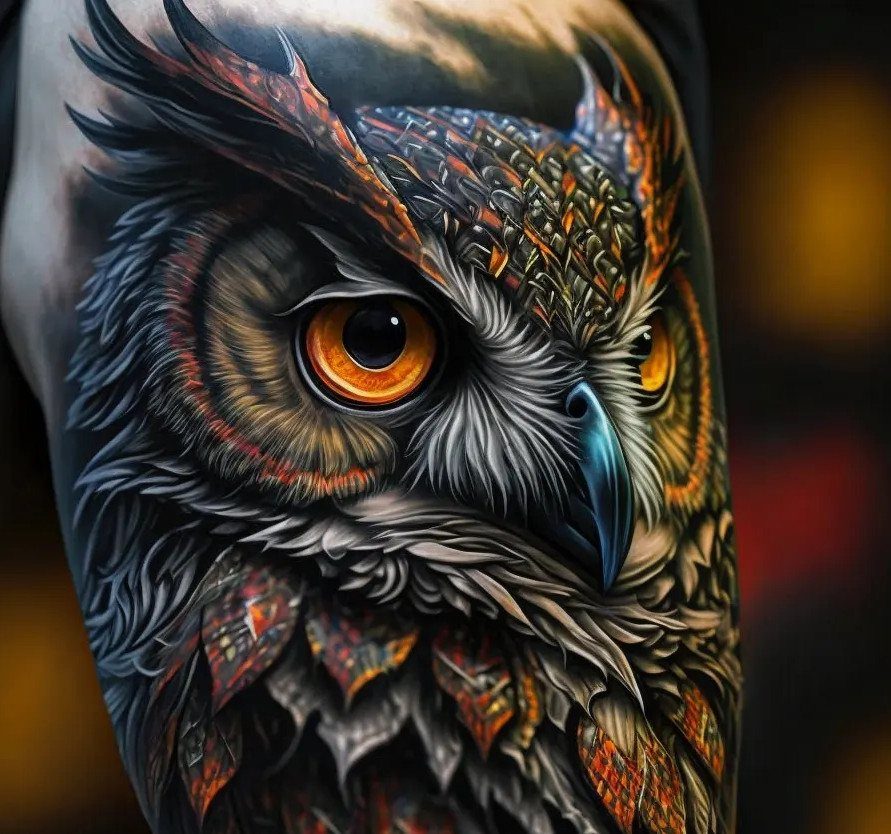
Nature tattoos pull from wildlife, plants and landscapes. An owl rendered in color uses shading and detail to separate feathers and bring the eyes forward, which anchors the piece.
Color fades faster than black ink, especially reds and oranges.
Sun exposure speeds that up, so areas like the upper arm hold color longer than hands or lower legs. Budget for touch-ups if you want the saturation to last.
Owls represent wisdom and vision. Other nature themes include forests, mountains, predators and birds in flight.
10. Portrait Tattoos
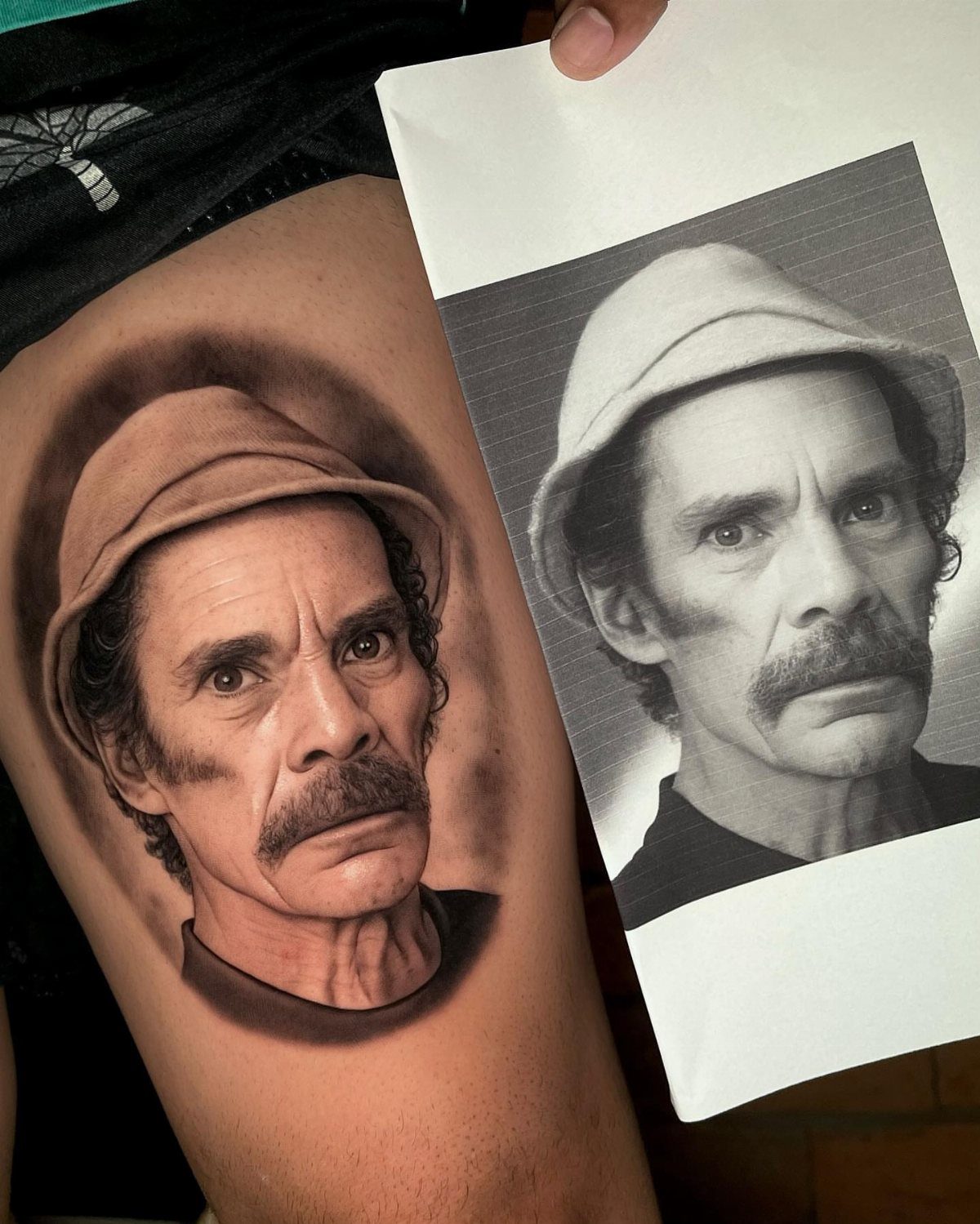
Portrait tattoos replicate a photograph on skin, using black and grey shading to capture likeness, expression and detail. The thigh offers a large, flat surface that holds the proportions without distortion.
This style depends entirely on the artist.
Look for someone with a strong realism portfolio and ask to see healed work, not just fresh ink. A poor portrait does not improve with time.
Portraits honor fathers, family members or mentors. The thigh keeps the design private unless you choose to show it.
11. Sports Tattoos
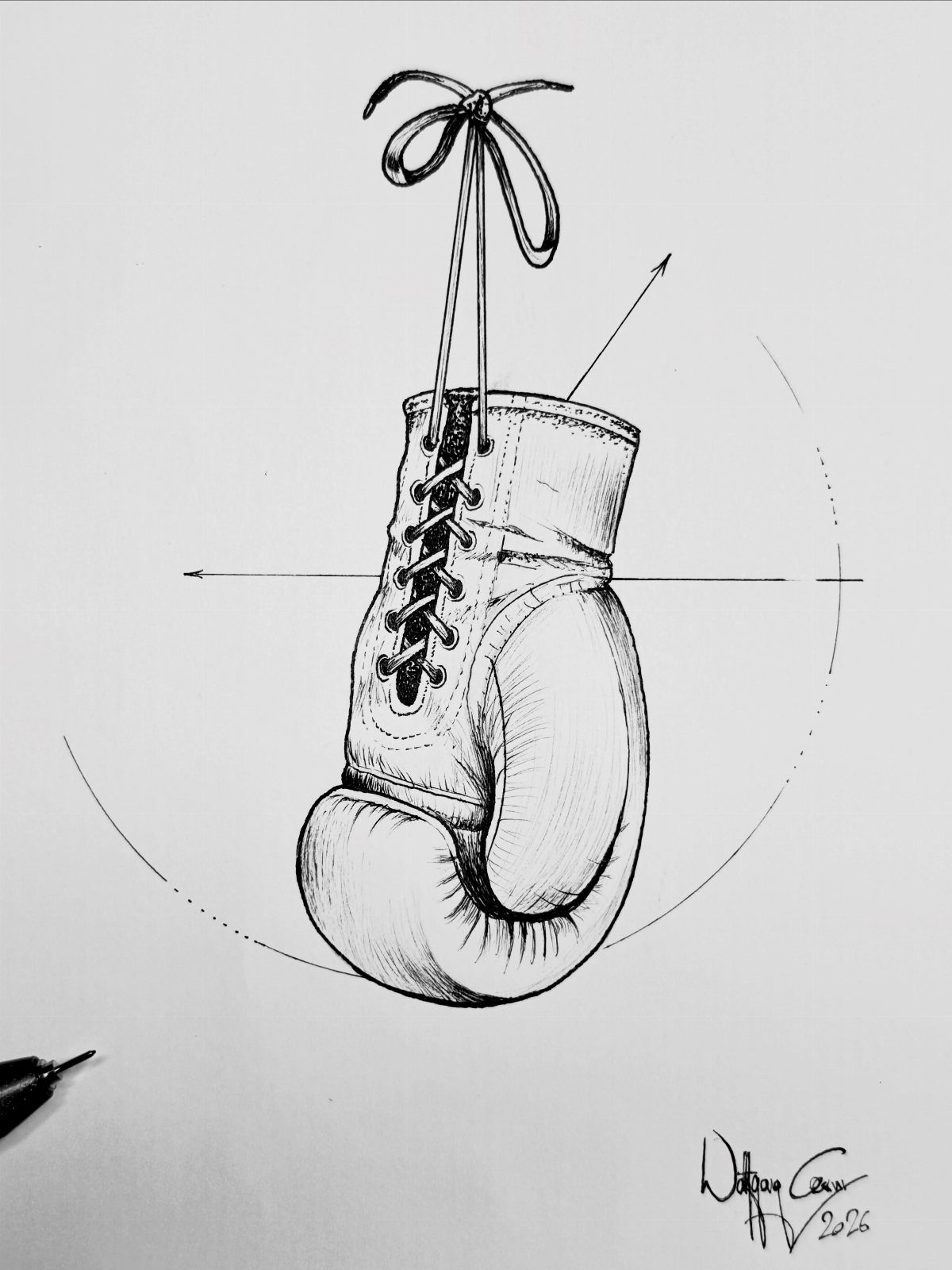
Sports tattoos mark loyalty to a team, a player or a moment in the game. A boxing glove sketch keeps the lines simple and the subject recognizable, whether it represents your own training or respect for the sport.
Line art like this holds up well because there is no shading to fade. Forearms, ribs and calves give you the space to show the glove and laces without shrinking the design.
Jerseys, equipment and team logos work the same way. Keep it simple if you want it to last.
12. Realism Father’s Portrait
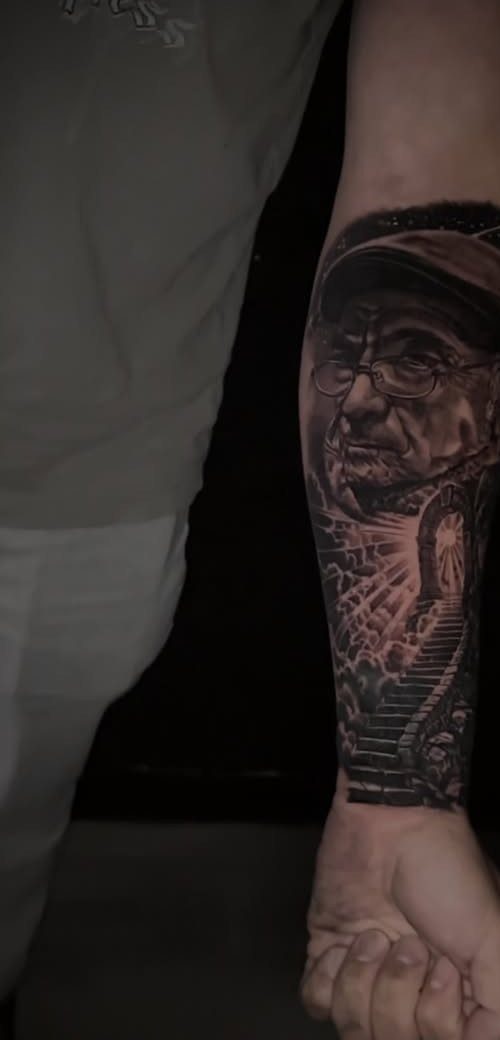
A father’s portrait in realism captures his face, expression and the details that make him recognizable. The staircase and doorway below add context, turning the piece into a narrative about memory or loss.
Realism on the forearm stays visible and scales well to the space. The technique relies on precise shading, so choose an artist whose portrait work you have seen healed, not just fresh.
Grayscale holds detail longer as skin shifts. Avoid small faces; they blur as the skin changes over time.
13. Japanese (Irezumi)
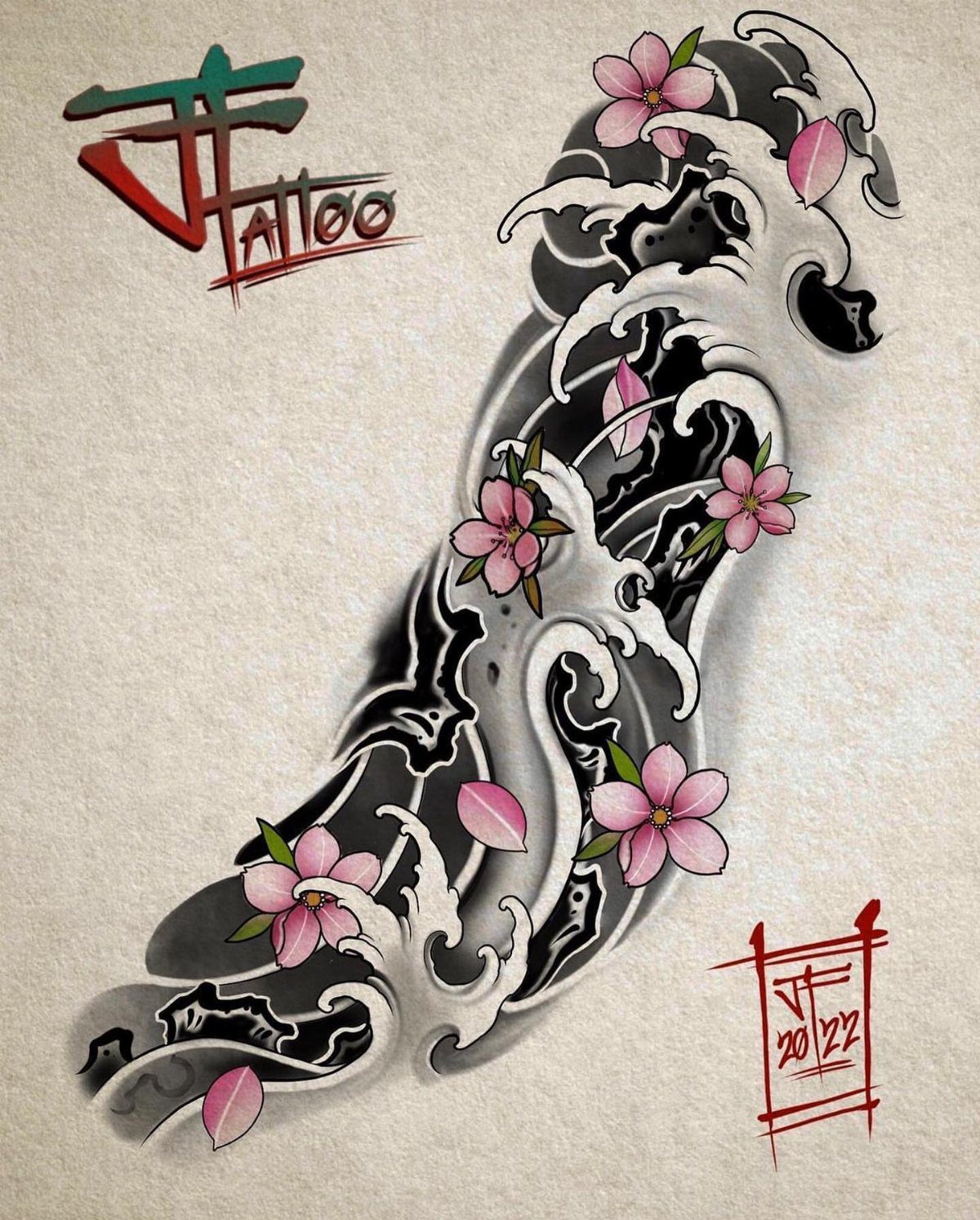
Japanese tattooing uses waves, cherry blossoms, koi and dragons arranged in a way that wraps the body. This sketch shows the flowing water and petals that define the style, built from centuries of technique.
The designs scale up.
A half-sleeve or full back gives you room to show the movement in the waves and the way blossoms scatter across the composition. Bold outlines and solid color fill hold their clarity as skin ages.
Choose an artist who works in this tradition and understands the spacing between elements.
14. Linework
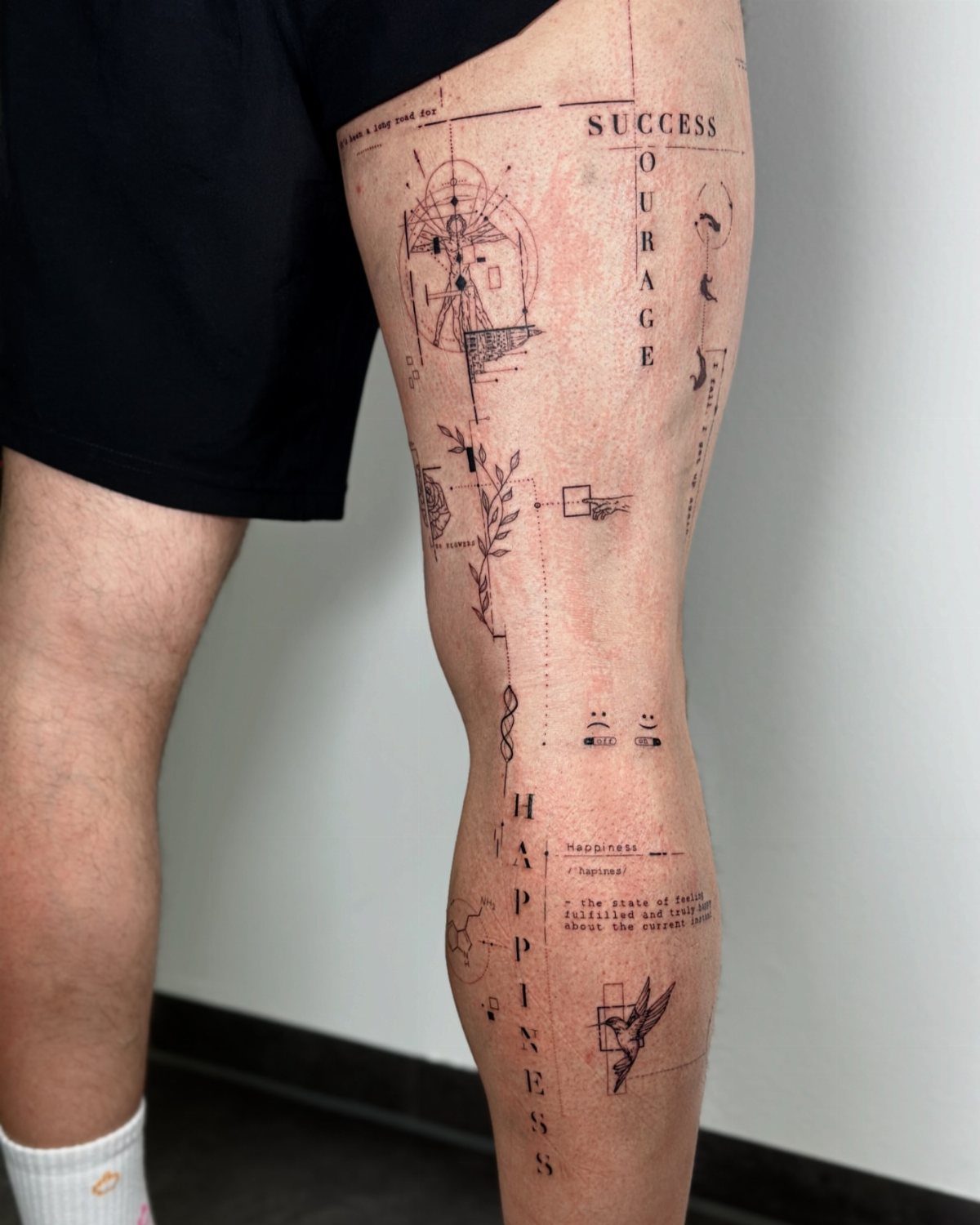
Linework tattoos use black lines alone, no shading or color. Words like "success" and "courage" sit inside geometric borders, the kind of piece that reads clean from a distance.
If the design leans delicate, talk through how that line weight will age during your consultation. A slightly bolder stroke keeps the text and shapes sharp for years.
Calves, forearms and ribs give you flat space where the lines stay straight. This style suits anyone who wants a tattoo that says something direct without covering the area in ink.
15. Lion Tattoo
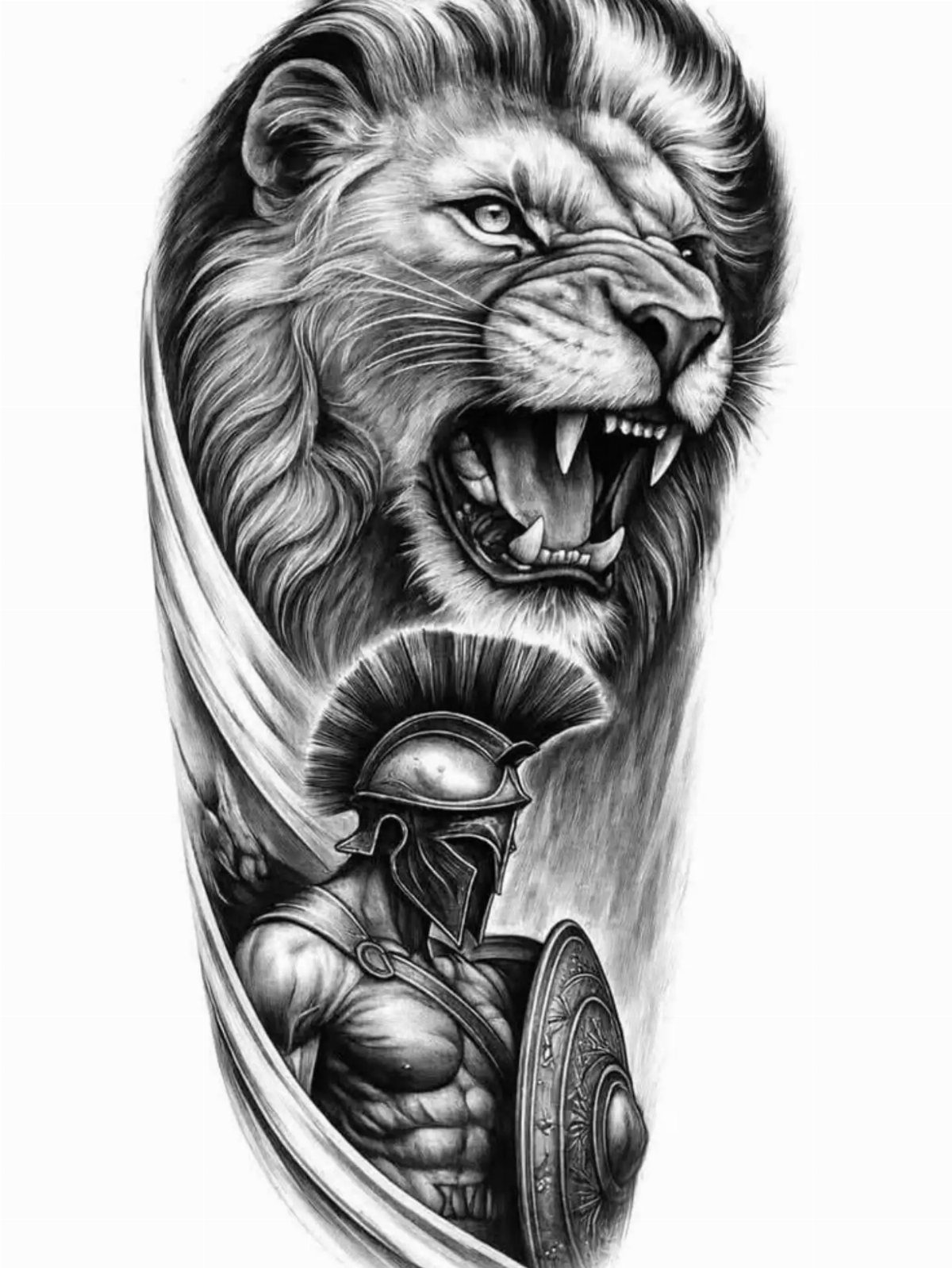
A lion rendered in black and grey conveys strength through posture and detail. Paired with a Spartan helmet here, the combination stacks symbols of courage and leadership.
Realism or sketch-style work both capture the snarl and the eyes, which give the piece its presence. Upper arm, chest or thigh placements offer enough space to show the full head without shrinking the features.
Lions hold their meaning across cultures. The shading takes time, so expect a longer session if you add the helmet or shield below.
16. Skull Tattoo
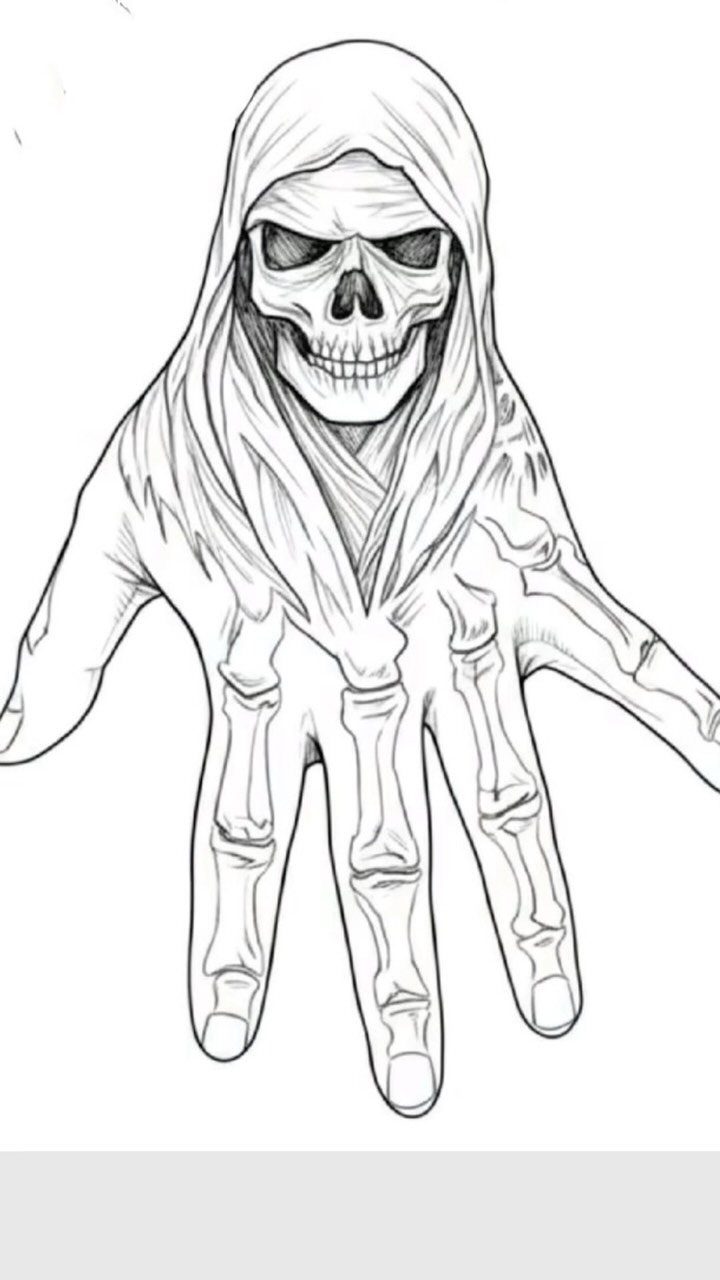
A hooded skull emerges from the palm of a skeletal hand, leaning into mortality and defiance. The grim reaper posture gives the design a narrative, not just an image.
Line art like this holds detail without shading, so it ages well.
Forearms, ribs and upper arms fit the vertical shape. Bold lines keep the skull recognizable as the skin shifts over time.
Skulls pair with roses, clocks or flames if you want to expand the theme later.
17. Dragon Tattoo
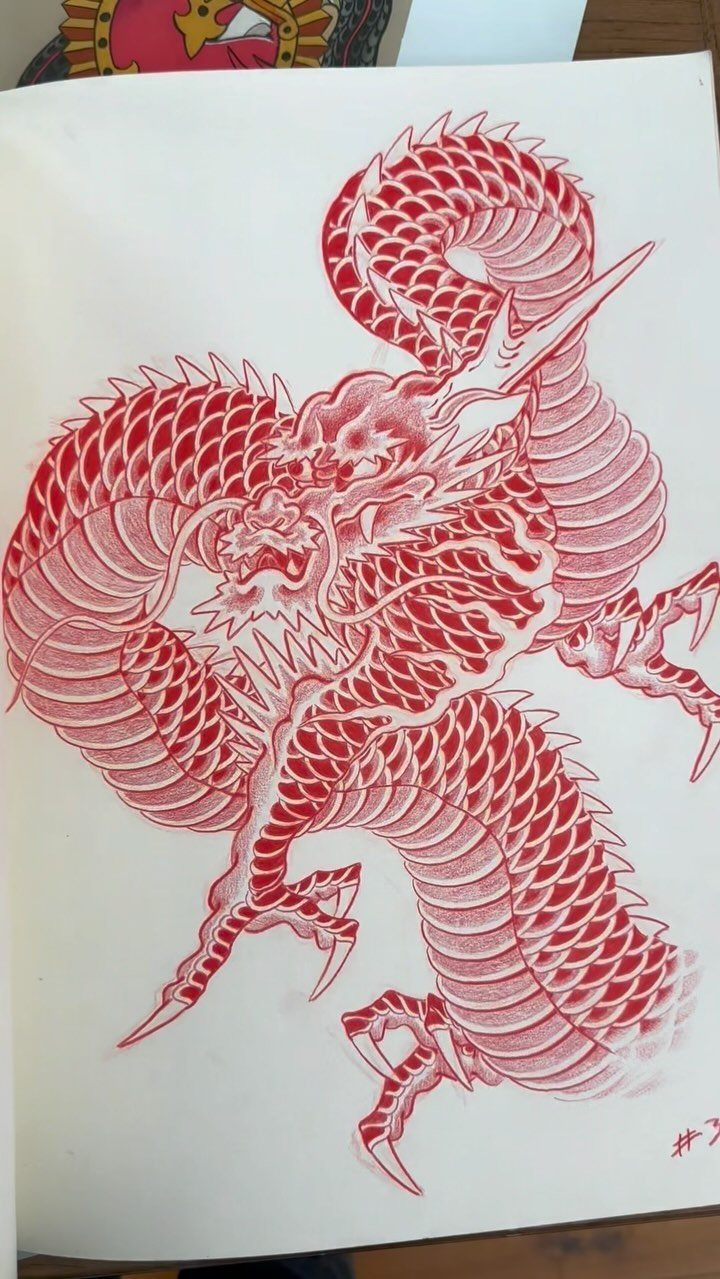
Dragons in red ink follow the Japanese tradition of layered scales and flowing bodies. The color pops against skin, and the coiled posture fills the space without dead areas.
Color saturation drops over time, especially in reds, so plan on periodic touch-ups to keep the contrast alive. Dragons wrap well around arms, legs or across the back, where the curve follows the muscle.
Power and wisdom are the standard associations. Choose an artist who can draw the head in proportion and space the scales evenly.
18. Nautical Tattoos
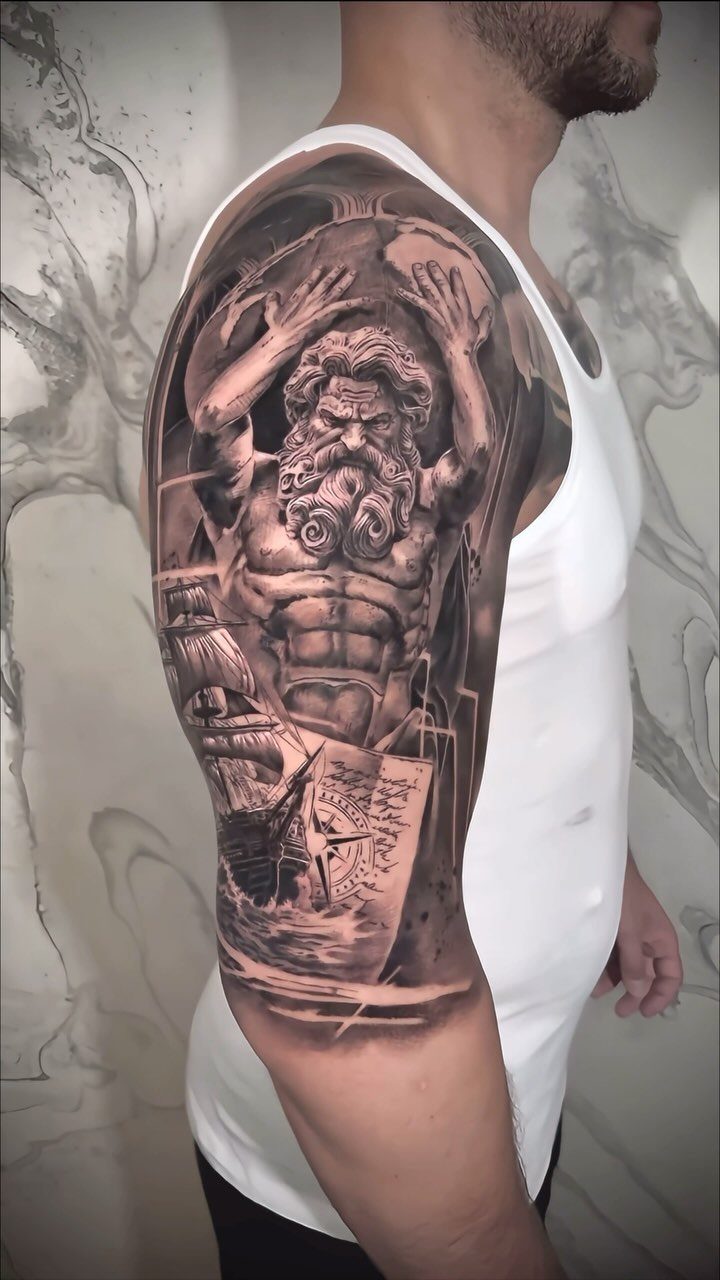
Nautical tattoos pull from maritime symbols: ships, compasses, anchors and gods like Poseidon. The map and trident here tell a story about guidance and the sea.
Black and grey shading gives depth to the waves and the ship’s sails.
Upper arms and forearms work because the design wraps the muscle and stays visible. Sailors wore these for protection and direction; the meaning carries over even if you have never been on a boat.
Realism takes precision, so find someone whose portfolio shows clean linework in water and fabric.
19. Phoenix Tattoo
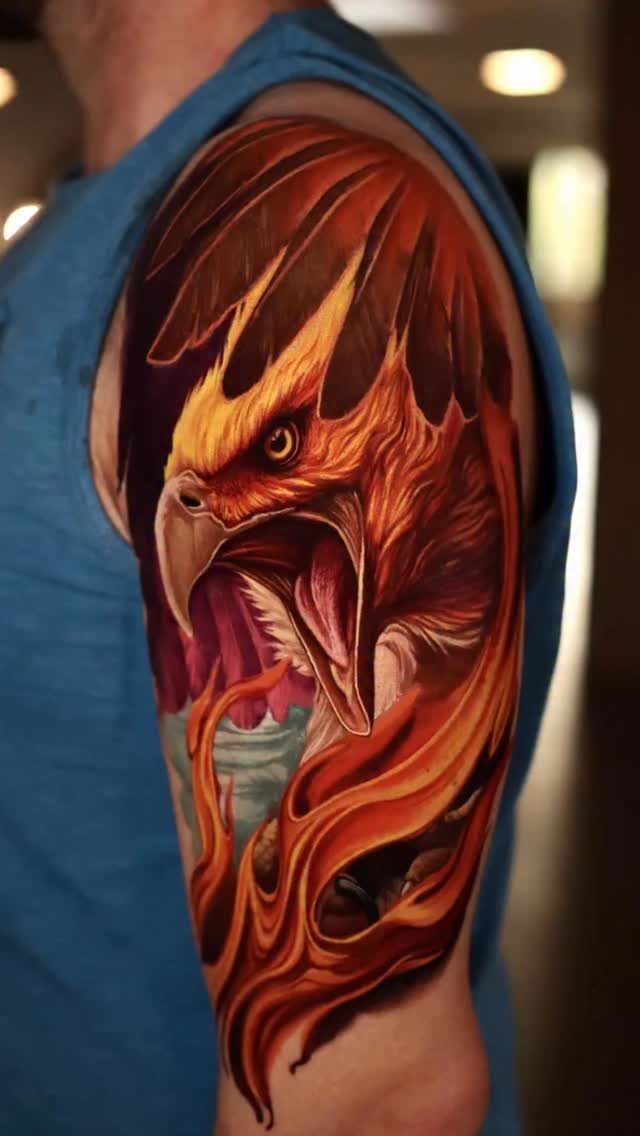
A phoenix rises with wings spread, layered in red, orange and yellow to show fire and motion. A phoenix needs room for its wingspan, and the upper arm gives it that without forcing the feathers into tight curves.
Rebirth and resilience carry through the symbolism. Color saturation matters here because the contrast between the flames and the body defines the piece.
Upper arms and backs give you enough space to show the wings in full detail. Choose an artist who can handle gradients and keep the feathers from blurring together.
20. Compass Tattoo
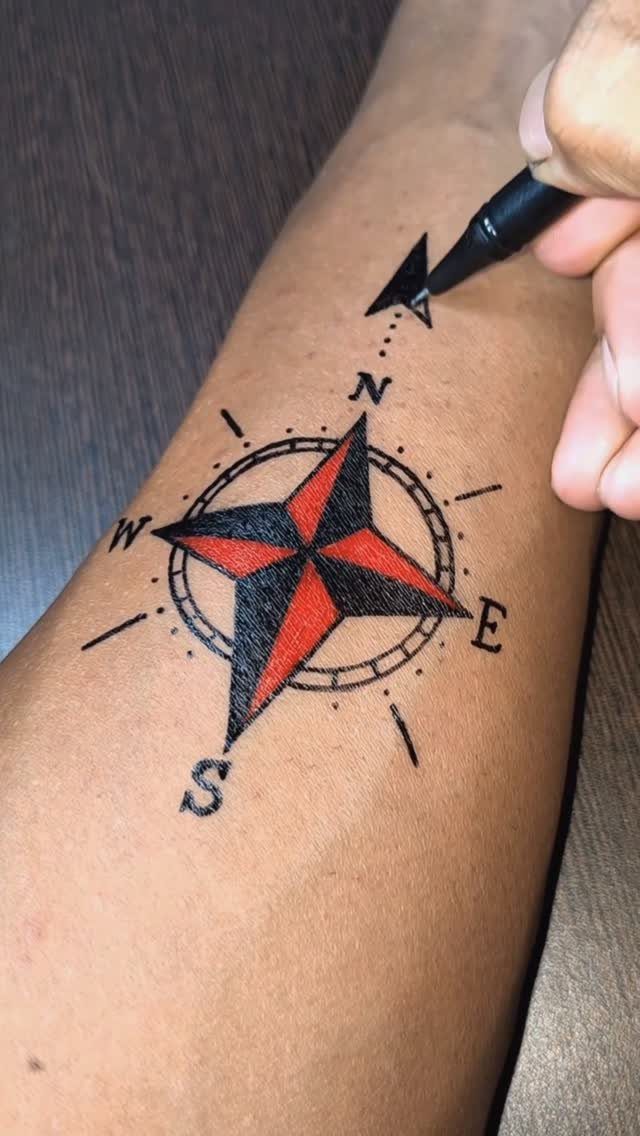
A compass face with cardinal points marks direction, rendered here in black linework with red accents on the star. The forearm keeps it visible and flat enough to preserve the symmetry.
Direction and navigation are the core themes, whether literal or about finding your path. Bold lines hold better than fine detail as the skin ages, so keep the letter size large enough to stay readable.
Red ink fades quicker than black, so plan on occasional touch-ups to keep the star looking sharp. Forearms, ribs and chest all work for compass designs.
21. Mountain Range Tattoo
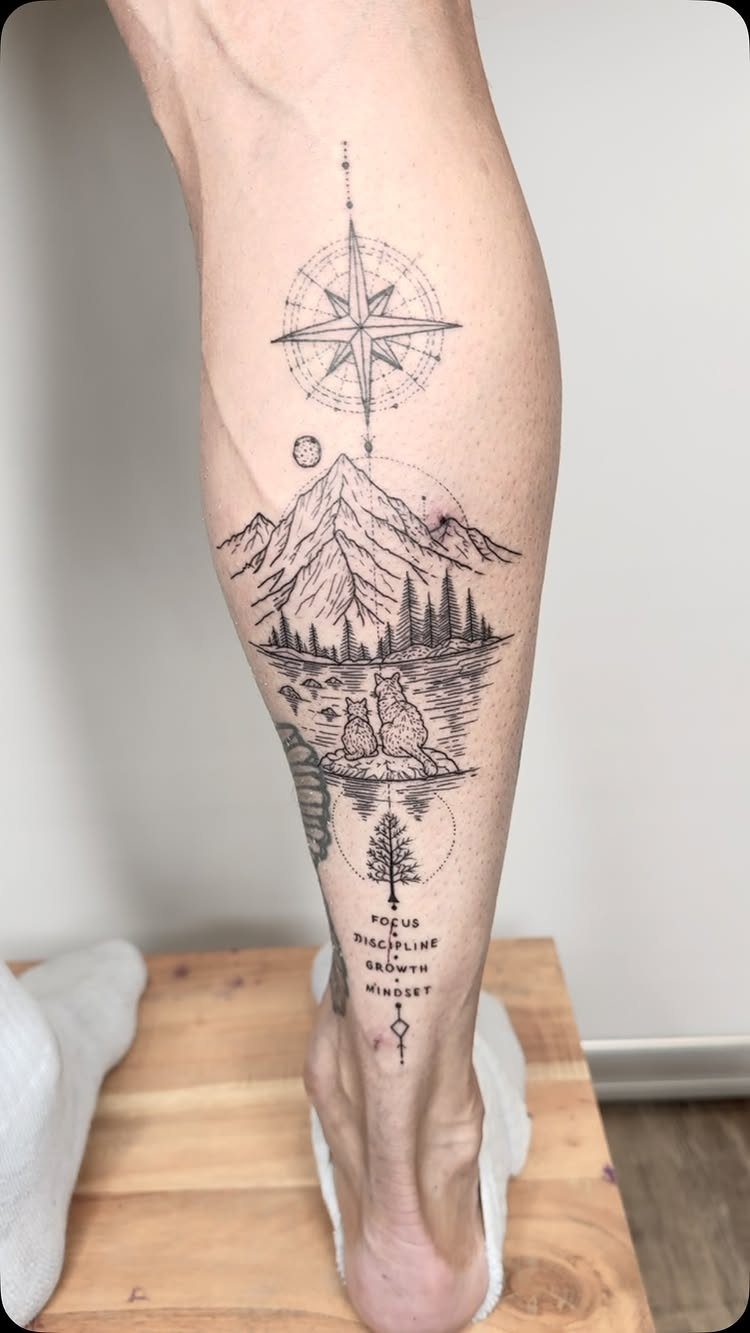
Mountains stacked with forest and wolves tell a story about overcoming obstacles, built here with black ink and a compass above. The lower leg gives vertical space for the scene to unfold without cramping the silhouette.
Text like "focus" and "discipline" adds a personal layer, but keep the font bold if you want it legible years later. Black ink holds longer than color, and the simple shapes age cleanly.
If you add animals or trees, give them enough room to stay distinct as the tattoo settles.
22. Quote Tattoos
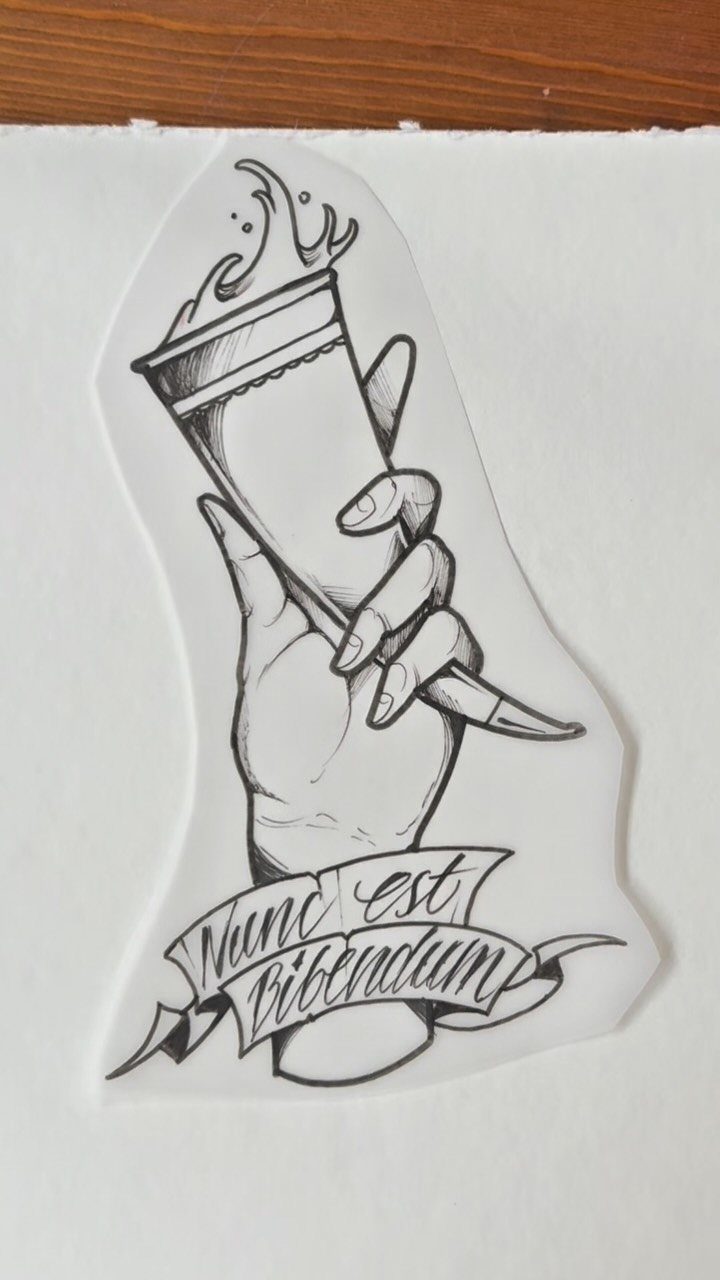
The script and illustration together turn a quote into a scene.
Latin phrases carry weight, but verify the translation before you commit. Font choice matters: serif styles like this one read formal, and bold strokes last longer than thin scripts.
Forearms, ribs and chest offer flat space where the banner and image sit without distortion. Illustrative quotes take more planning than text alone, so work with your artist to balance the elements.
23. Animal Skeleton Tattoos
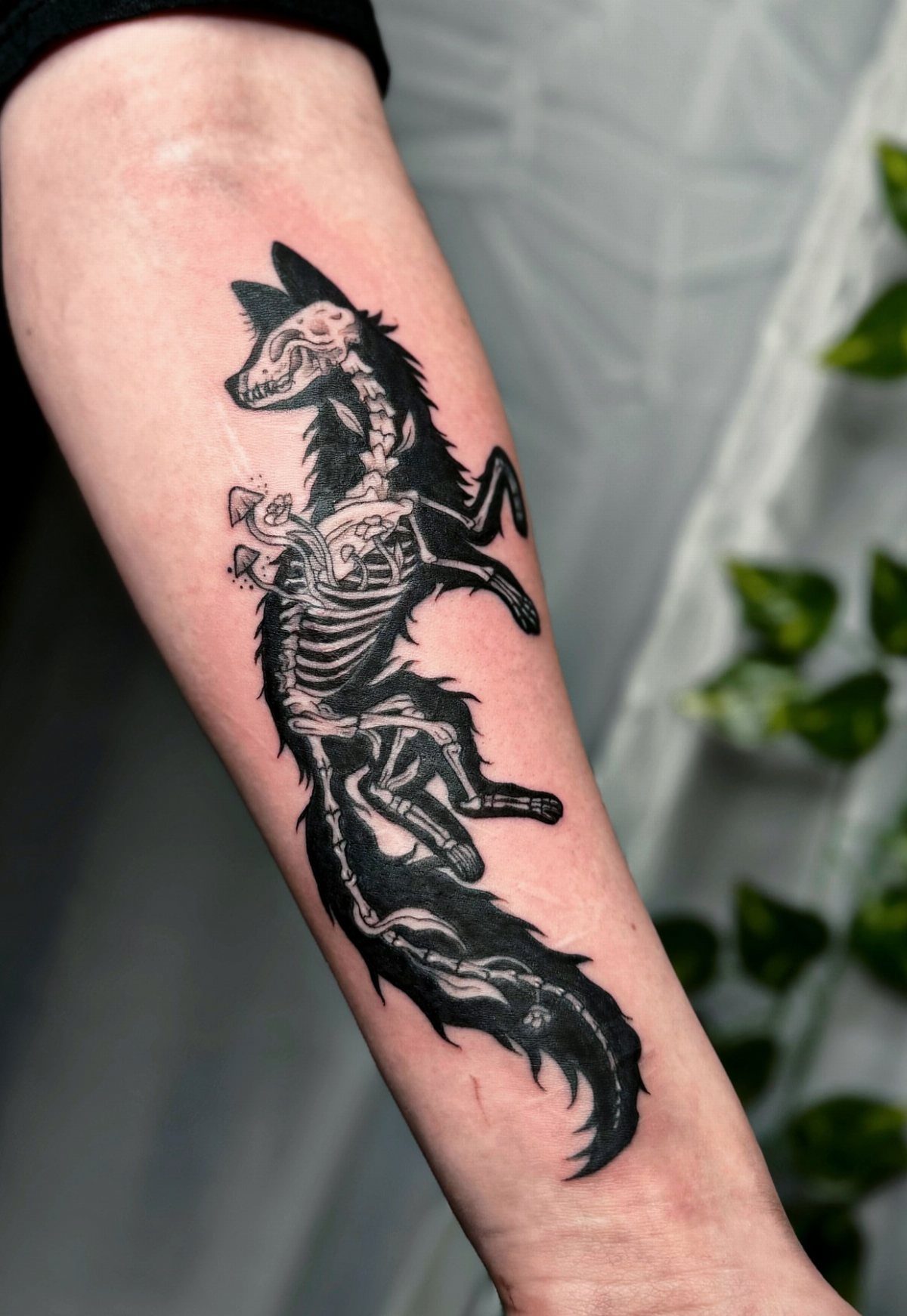
A canine skeleton laid out with mushrooms growing from the ribs turns anatomy into a narrative about decay and renewal. The forearm holds the length of the spine and the detail in the bones without shrinking the piece.
Skeletons give you the structure of traditional skull tattoos but expand the subject to wolves, birds or deer.
Fine detail in the ribs and vertebrae demands an artist who can render anatomy accurately. Forearms and thighs work because the flat surface prevents distortion.
24. Cultural & Indigenous Tattoos
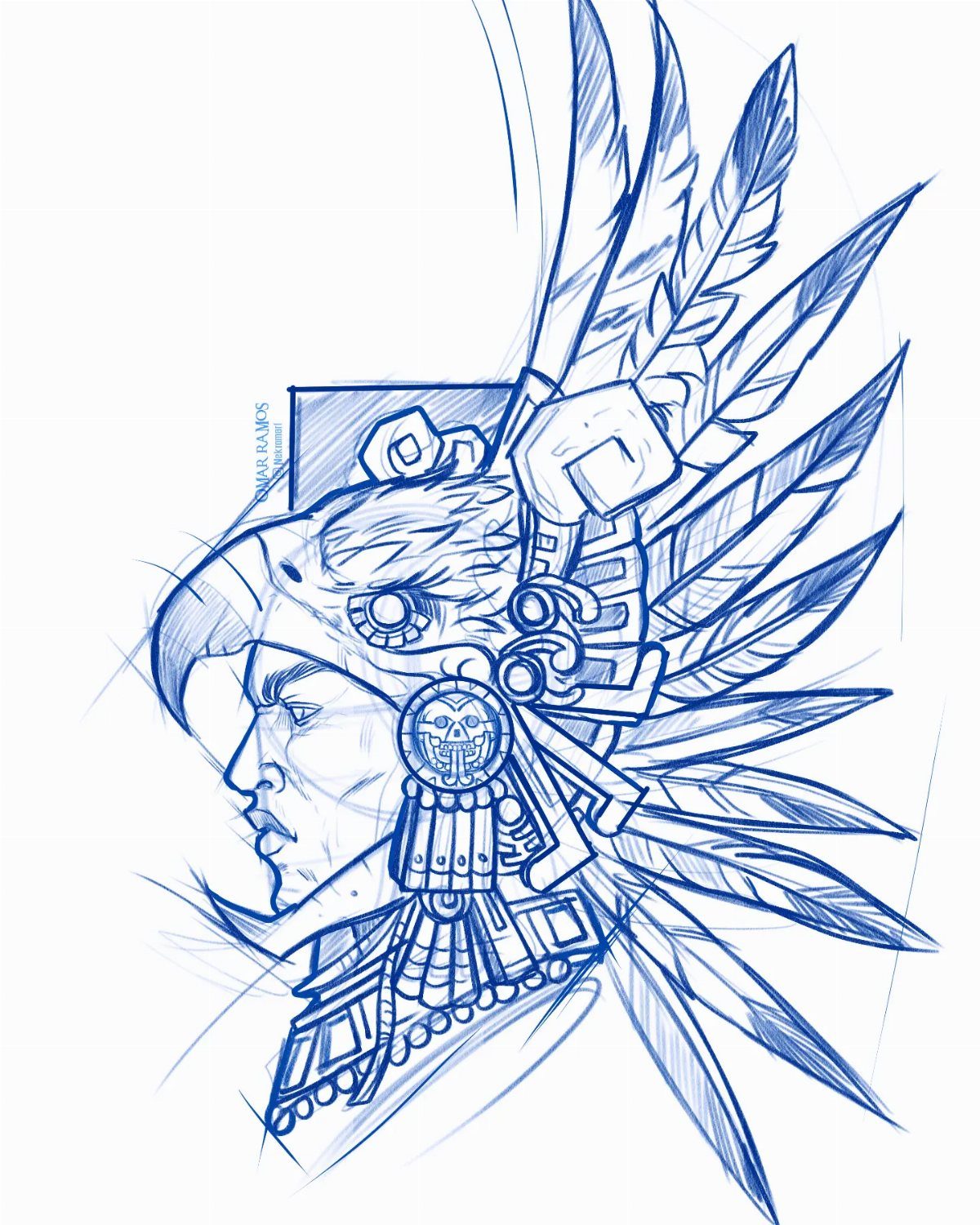
An Aztec headdress rendered in blue ink shows the feather layers and profile detail that define the style. Cultural tattoos pull from specific traditions, so research the symbols before you wear them.
If the design comes from a culture outside your own, understand what it represents and whether it carries restricted meaning. Some indigenous symbols are sacred and not meant for general use.
Line weight and shading hold the detail, so choose an artist familiar with the tradition.
25. Pop Culture Tattoos
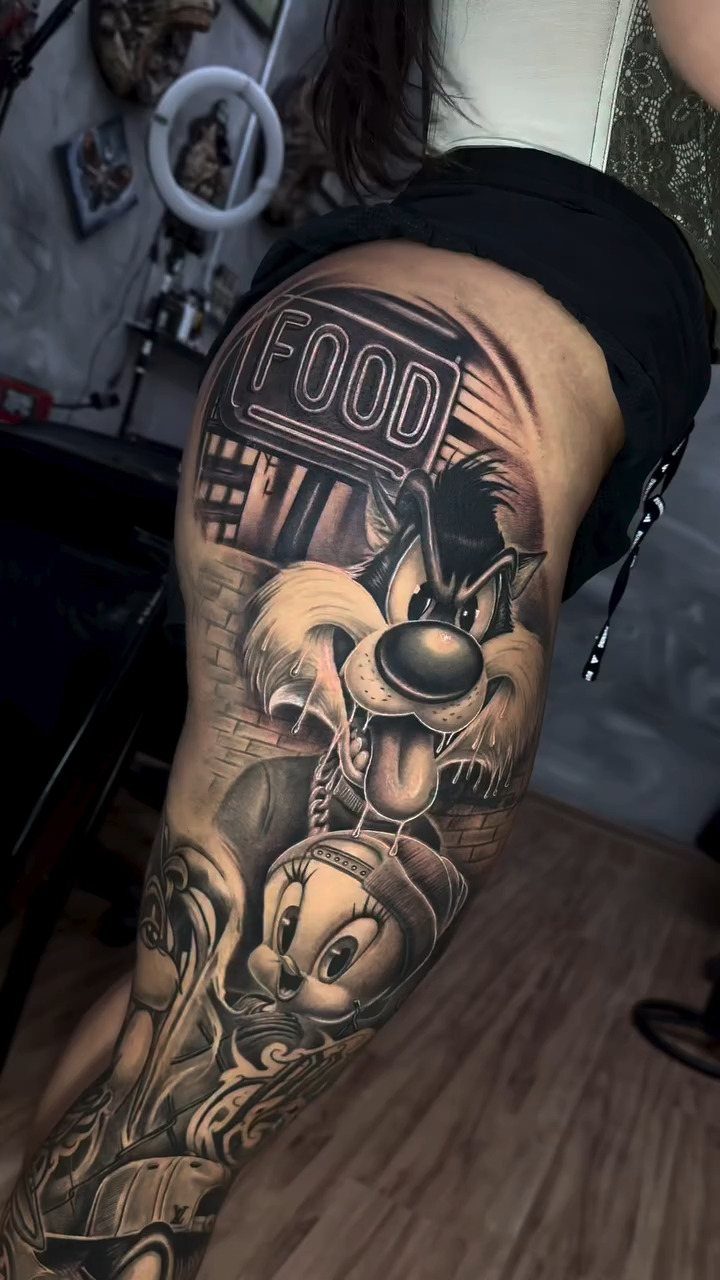
Sylvester and Tweety rendered in black and grey bring a cartoon into realism, the shading giving texture to feathers and fur the original never had. The neon "FOOD" sign adds a scene instead of just floating the characters on skin.
Pop culture pulls from shows, games, movies or comics. Multi-figure scenes stay readable on the thigh because the muscle sits flat and stable.
Black and grey ages better than color for characters with fine detail. Choose an artist who can translate a flat cartoon into shading that reads from a distance.
Choosing the Right Tattoo
Size and placement lock in together.
A portrait needs a flat surface the size of your palm or larger to hold proportions. Script shrinks down to fit a wrist, but thin letters blur within a decade.
Print each one full scale and hold it against the spot.
Wear it there for a couple of weeks before you decide. If you stop noticing it or feel indifferent when you catch it in the mirror, that design is out.
Style choice matters for aging.
Color fades and needs touch-ups. Realism loses crispness as skin shifts.
Talk to a few artists who already work in the style you want. Chemistry counts as much as skill, since you will spend hours with this person and need to trust their judgment when a design needs adjustment.
First Tattoo Considerations
Pain tolerance is unknown until you sit for the first session. A smaller piece on a low-pain area lets you test your reaction without committing to hours in the chair.
Placement affects visibility.
A symbol, compass, family crest or short quote gives you something personal without requiring a large canvas. Avoid trendy designs unless the meaning runs deeper than the aesthetic, since styles shift but the tattoo stays.
Frequently Asked Questions
What is a good first tattoo for a man?
A 3–4 inch symbol, compass rose, lone animal or single-line phrase on the shoulder, outer forearm or upper chest gives you room to decide if you want more.
These placements let you test your pain tolerance and give you time to see how you feel wearing visible ink before committing to larger coverage.
What are the most popular tattoos for men?
Tribal designs, wolves, lions, skulls, script and geometric patterns rank among the most requested. Animal tattoos and realism portraits stay popular because they carry themes like strength, loyalty and protection that resonate with men looking for tattoos with personal weight.
Where is the most attractive place for a tattoo on a guy?
Forearms, biceps, chest and upper back draw the most attention because they show muscle definition and stay visible when you choose.
The forearm shows ink in normal clothes but doesn’t announce it, and a piece across the chest stays private until you choose otherwise.





